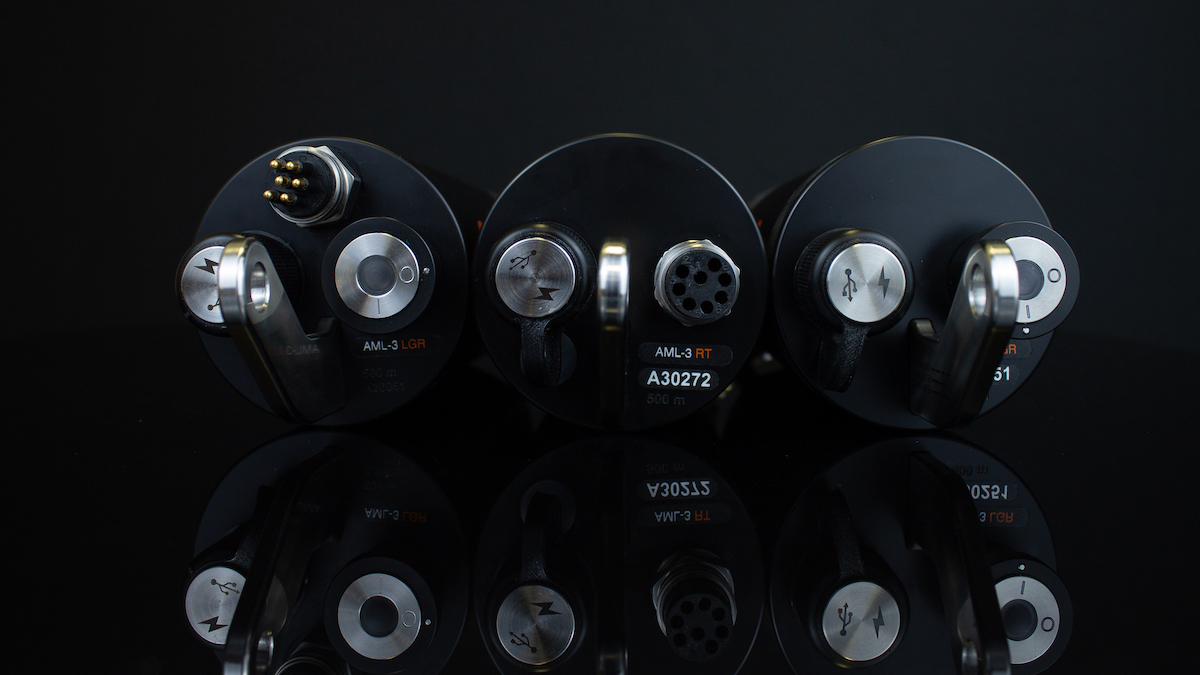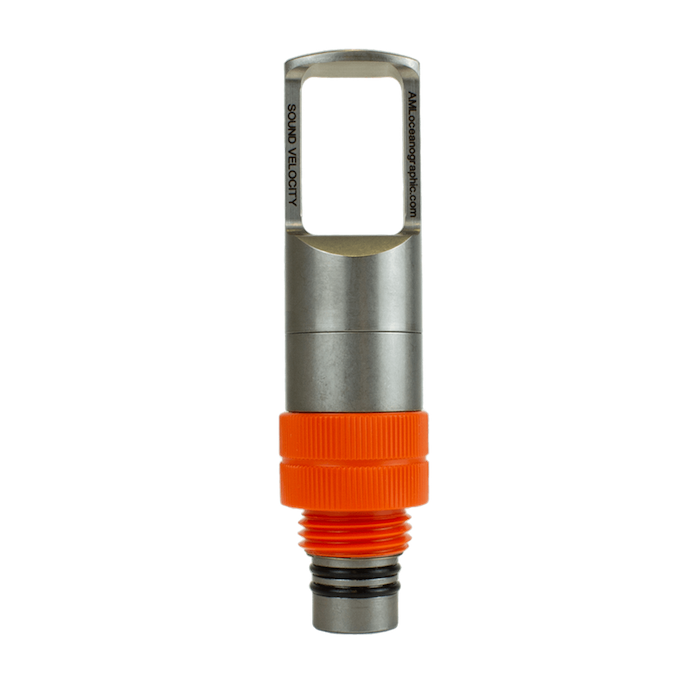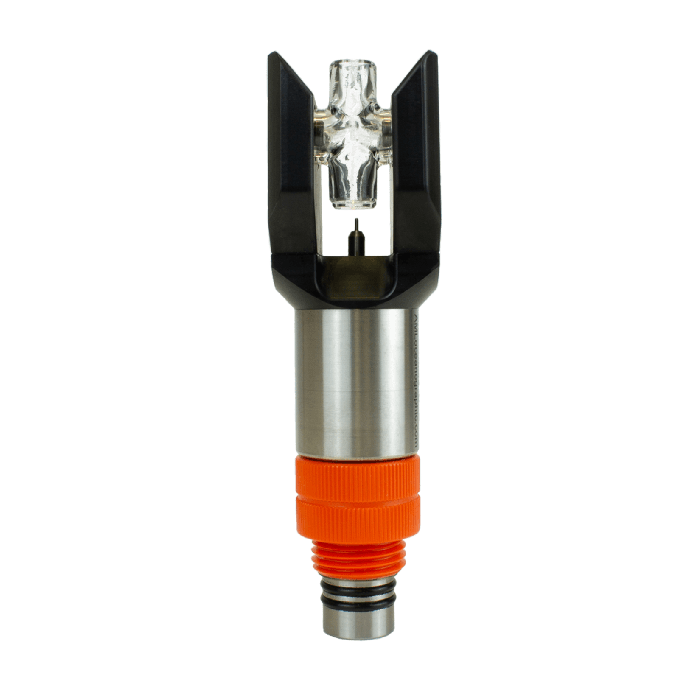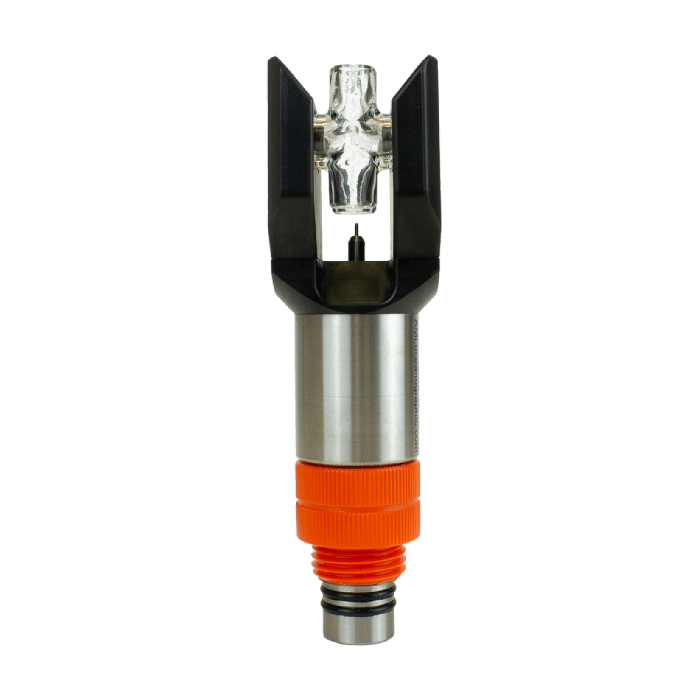

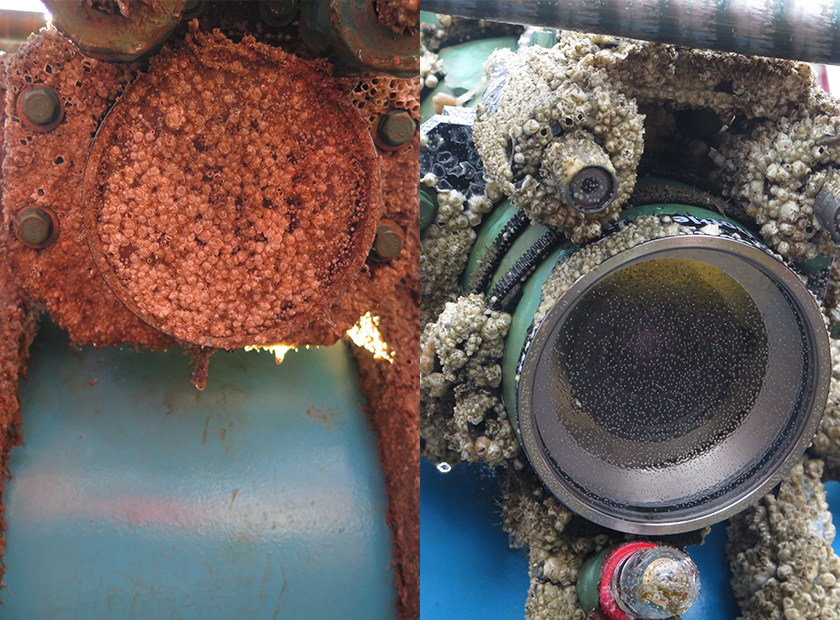
Oregon State University collaborated with AML Oceanographic to implement ultraviolet light technology for the protection of oceanographic sensors within the Coastal Endurance Array.
As part of the Ocean Observatories Initiative, the university manages instrumentation in high-productivity zones where biofouling typically compromises sensing surfaces within weeks. The Oregon State University-OOI team required a solution that could withstand these conditions for six months without intervention, specifically targeting complex and fragile surfaces that cannot be protected by traditional mechanical methods.
UV Technology Deployment
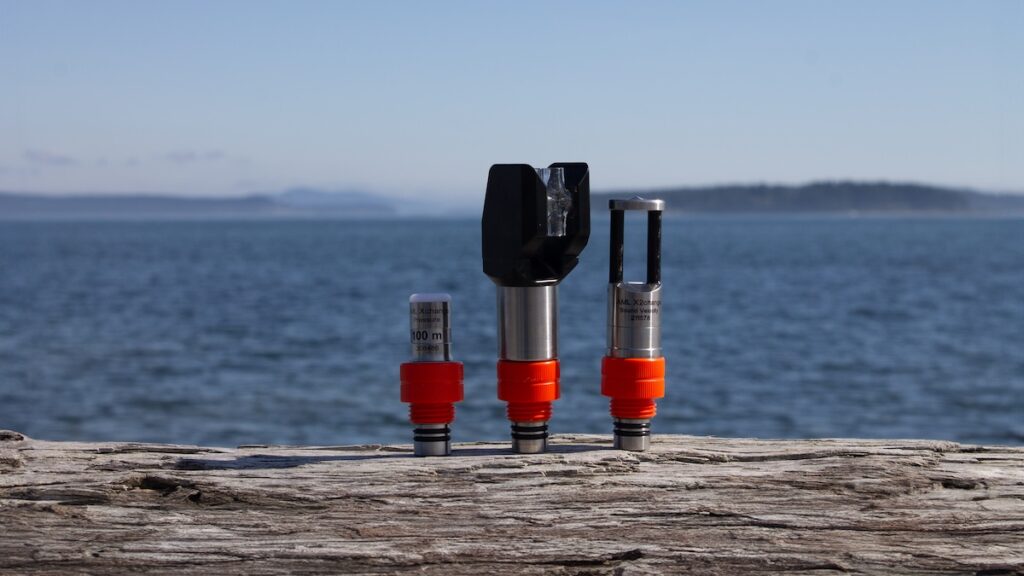
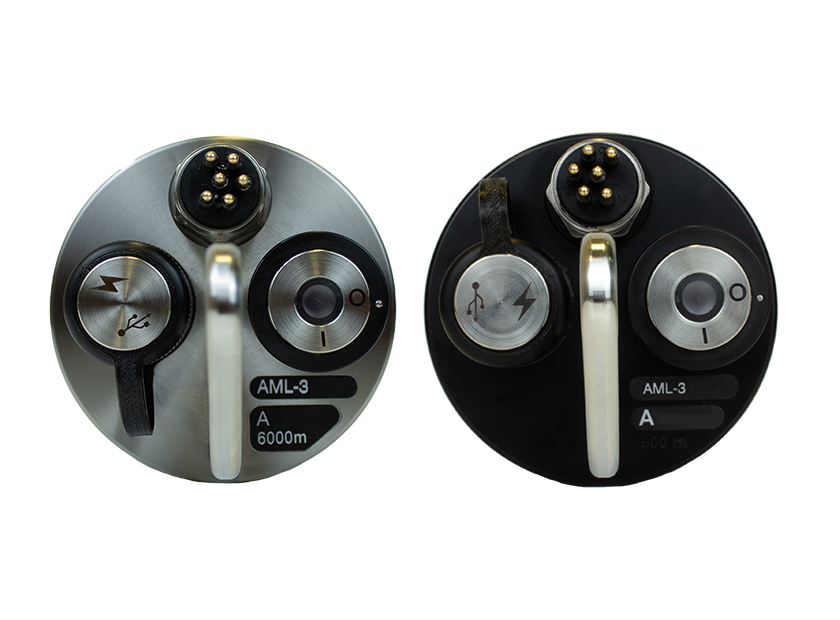
The university has utilized Cabled UV technology from AML Oceanographic to protect Aanderaa Dissolved Oxygen sensors and camera lenses. During a trial initiated in October 2017, a Cabled UV unit was installed on a sensor frame located just seven meters below the surface. This environment is highly susceptible to rapid marine growth, which typically leads to significant sensor drift. A second Cabled UV unit was applied to a seafloor camera lens to ensure clear visibility of benthic organisms and sand features.
Comparative Results and Performance
Data retrieved in April 2018 has demonstrated that the protected dissolved oxygen sensor remained clear of fouling and provided consistent data throughout the deployment. In contrast, a reference sensor deployed without protection experienced significant data radicalization as fouling advanced. While weather events occasionally cleared growth from the unprotected sensor, it consistently deviated from the accurate readings maintained by the UV-protected instrument. Following the successful verification of these results, Oregon State University has acquired 20 Cabled UV systems for broader integration.
Assistant Professor Jonathan Fram provided the following statement regarding the operational impact, saying, “Each cruise is expensive, so we need instruments deployed in the photic zone to last the full six months without significant fouling. Six weeks into our test, the unprotected oxygen sensor was clearly fouled while the UV protected sensor is still producing reasonable data. We intend to deploy the UV device with all of our upper water column oxygen sensors in the future, and will experiment with the UV light on our other optical instruments.”
The university has established that UV biofouling control technology effectively prevents marine growth on complex surfaces such as oxygen sensors and cameras, providing a robust solution for long-term maritime research.