
AML Oceanographic is supporting a marine biodiversity initiative led by Cascadia Seaweed, a Vancouver Island-based seaweed cultivator studying whether kelp farms can function as habitat for salmon and other marine species. Read more >>
Backed through the British Columbia Salmon Restoration and Innovation Fund (BC SRIF), the project is investigating whether cultivated kelp environments may provide ecological functions similar to those associated with natural kelp forests.
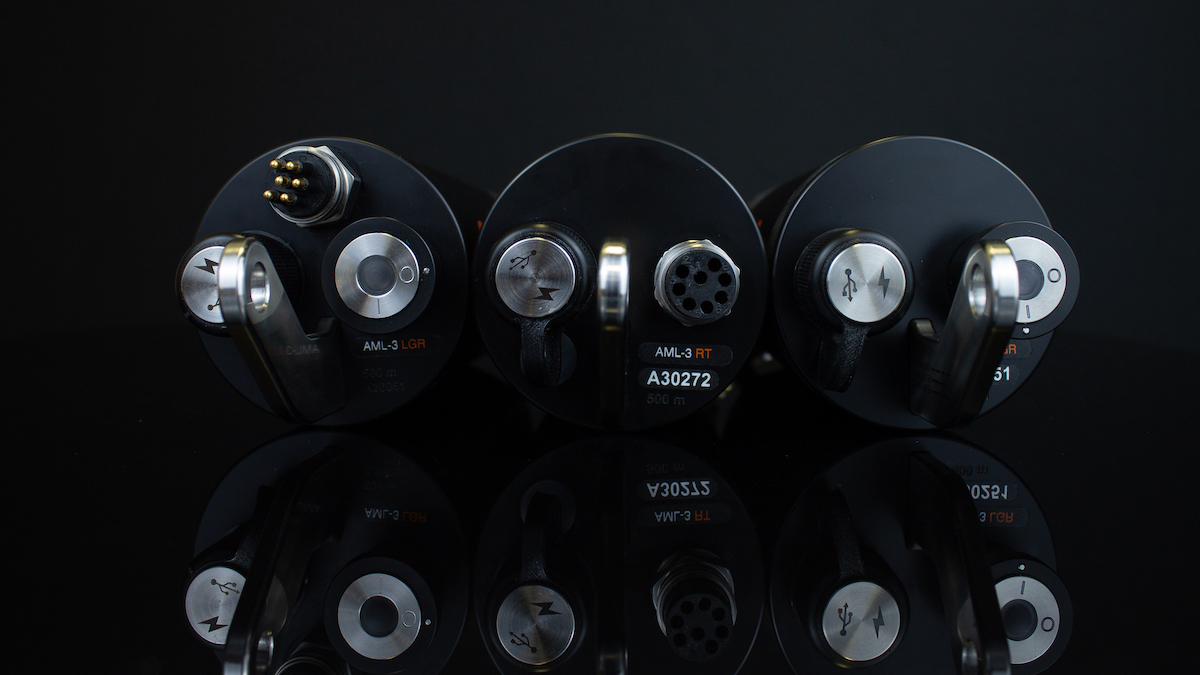
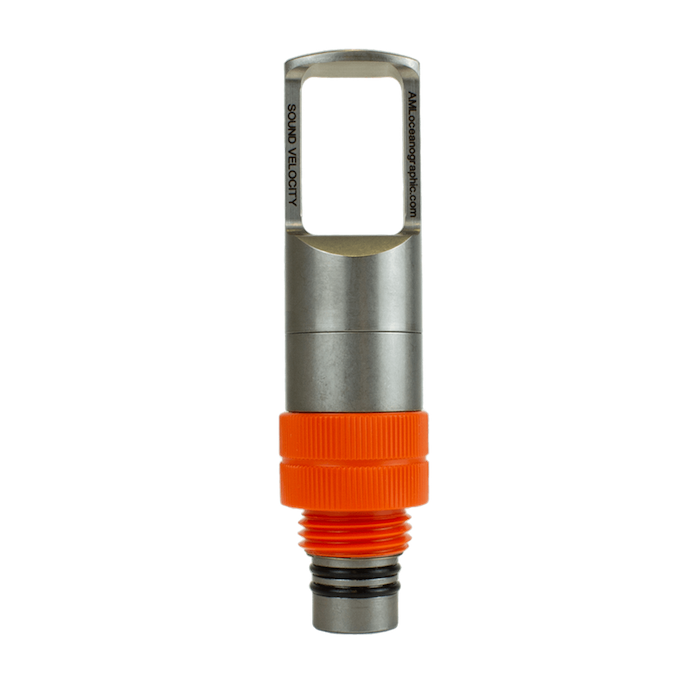
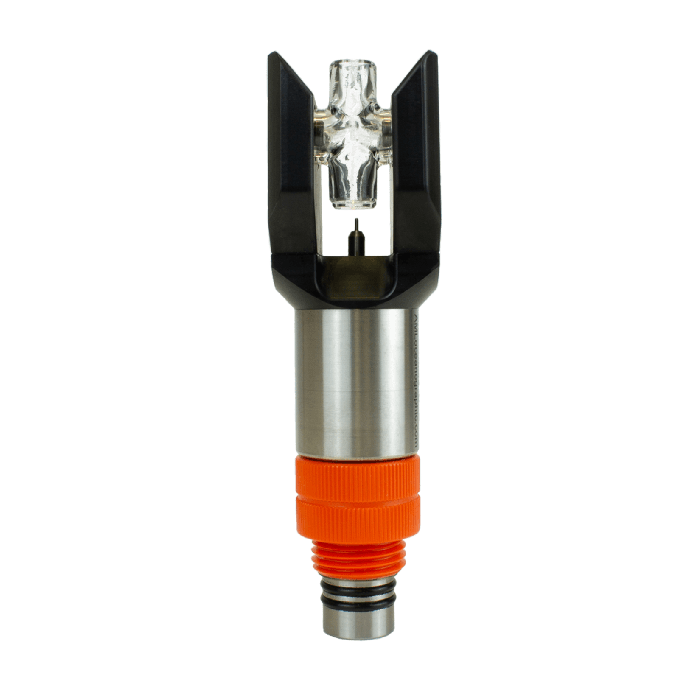
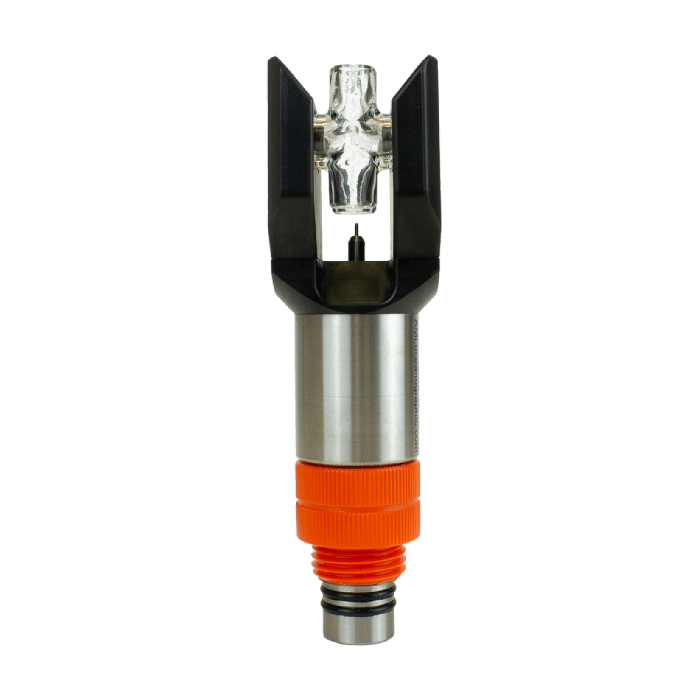
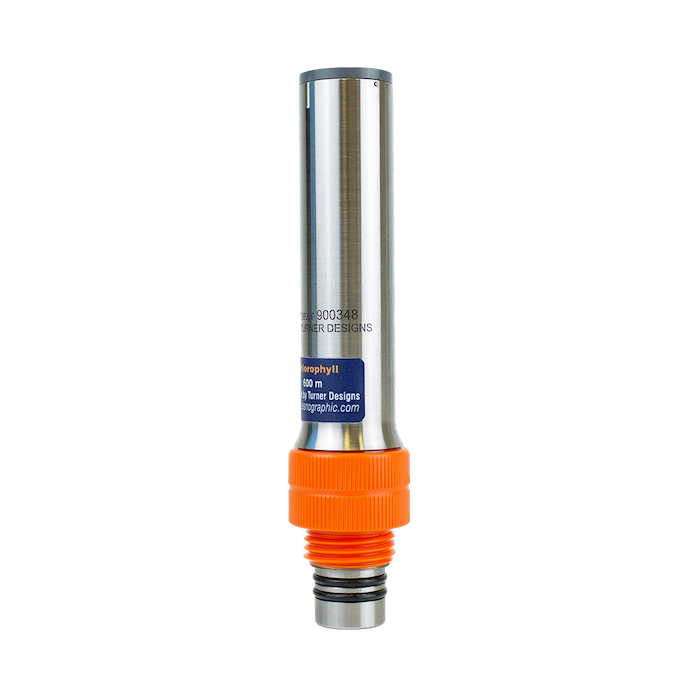
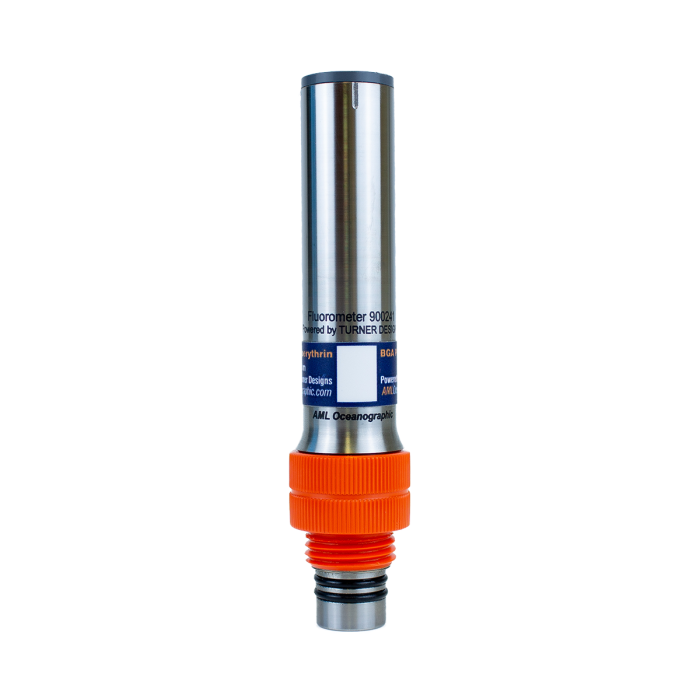
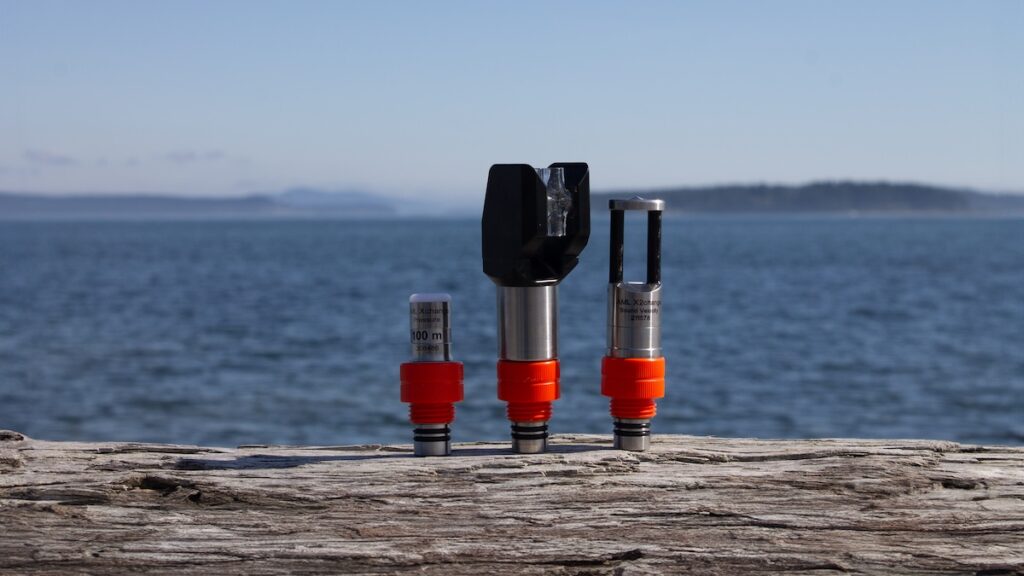
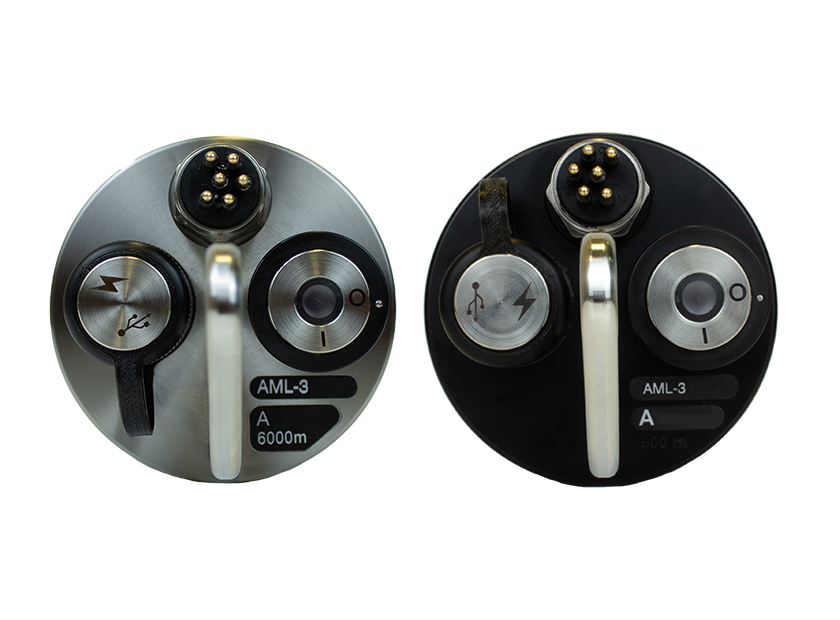
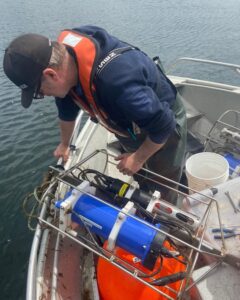
To gather long-term environmental data, Cascadia Seaweed deployed AML-6 multiparameter CTD instruments at kelp farm and reference sites in Clayoquot Sound and Barkley Sound. The systems continuously measure conductivity, temperature, dissolved oxygen, chlorophyll, turbidity, photosynthetically active radiation (PAR), and other oceanographic variables. Equipped with UV biofouling mitigation technology, the instruments are designed for extended in situ deployments while maintaining data quality in biologically active marine environments.
The research combines AML’s environmental monitoring systems with underwater video platforms, remotely operated vehicles, and diver-based surveys to better understand how fish communities interact with kelp cultivation sites. By comparing data collected from farm locations and nearby reference areas, the team aims to evaluate whether kelp farms influence habitat complexity and fish biodiversity relative to surrounding marine environments.
As global kelp forest coverage continues to decline due to warming waters, coastal development, and changing ocean conditions, projects such as this are contributing to ongoing research into regenerative aquaculture and ecosystem restoration. Findings from the study may help inform future kelp farm placement and management approaches focused on supporting marine ecosystem research and conservation.
Read the full article to learn more about the project, the monitoring approach, and the environmental data being collected.