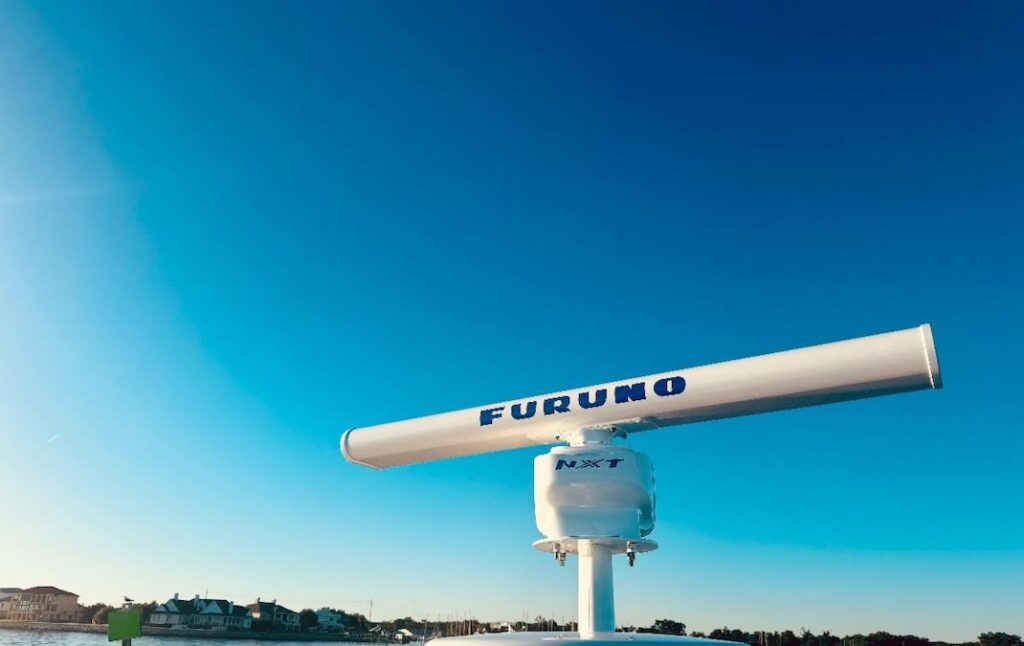
Radar is essential for safe maritime navigation, and Tocaro Blue is enhancing how data from this widely deployed sensor is interpreted and used.
Radar provides continuous 360-degree awareness, long-range detection, and maintains performance in low-visibility conditions such as fog, darkness, and light rain, making it a foundational tool for identifying hazards and maintaining situational awareness at sea.
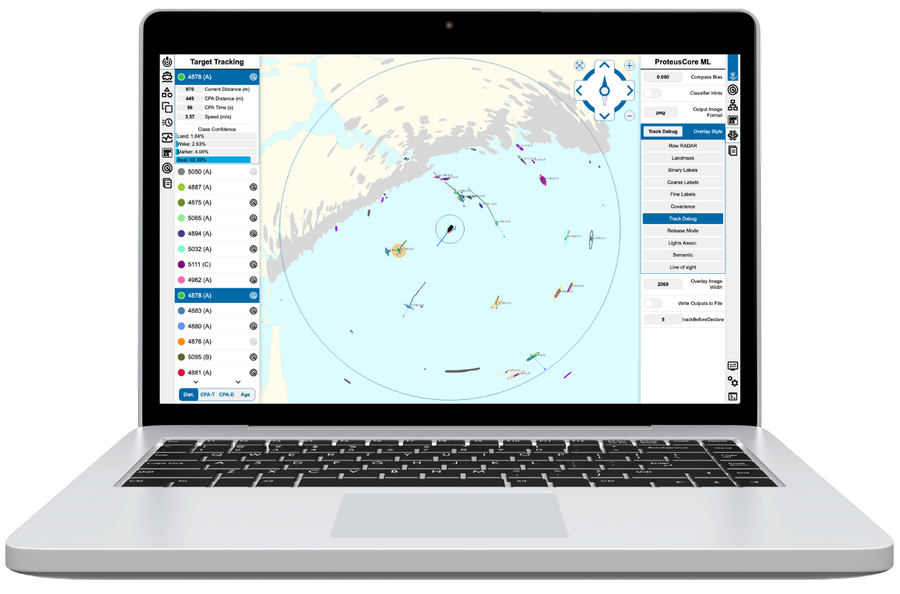
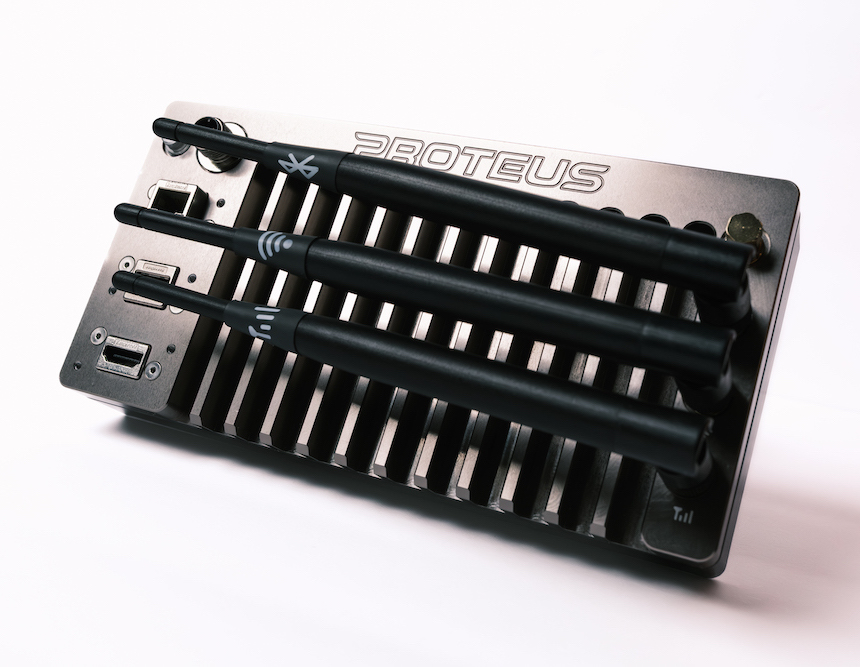
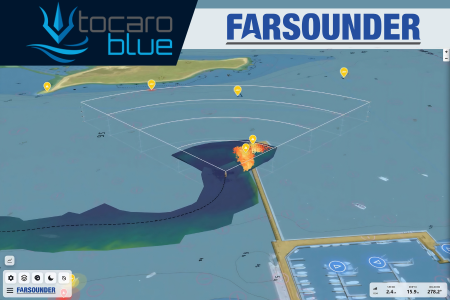
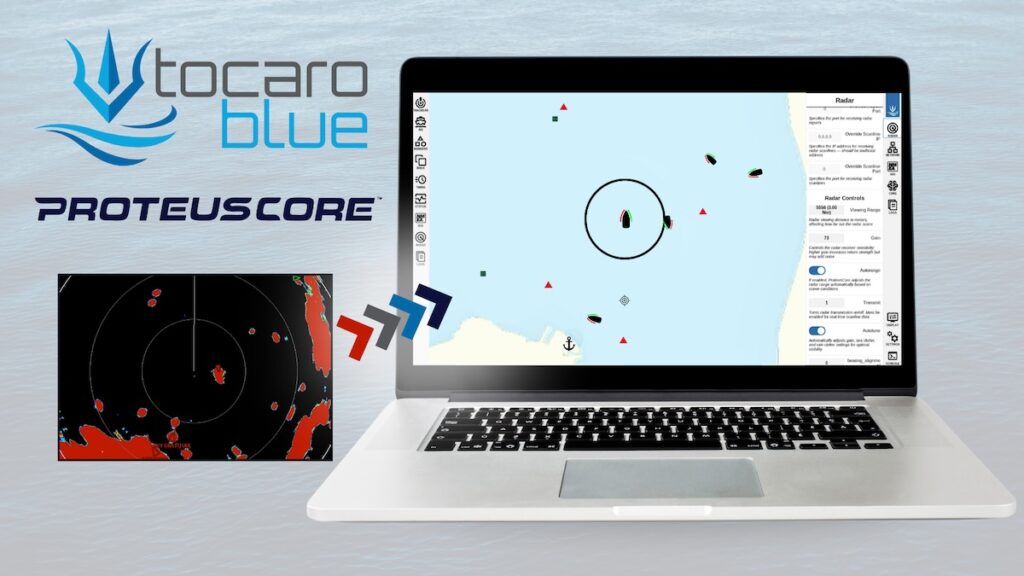
Traditional radar systems can be difficult to interpret and often require manual tuning to maintain performance. Tocaro Blue’s ProteusCore™ software applies machine learning to improve how radar data is interpreted, using models trained on a proprietary dataset of over 3 million frames. In addition to detecting targets, it classifies them, distinguishing between vessels, buoys, land, and other objects, providing clearer context for navigation decisions.
Maintaining Performance in Real Conditions
To support radar’s role as a consistent safety sensor, ProteusCore includes an Autofocus feature that automatically adjusts gain and range based on environmental conditions, sea state, and proximity to land. This helps optimize detection performance for the machine learning model while reducing the need for manual intervention.
The system also tracks hundreds of objects simultaneously, reporting position, velocity, closest point of approach, and predicted trajectory in real time, key data for identifying and responding to potential collision risks.
Supporting Safer Navigation Systems
By structuring and classifying radar outputs, ProteusCore supports navigation and control systems in making more informed decisions based on radar inputs. This enables applications such as collision avoidance, alerting, and autonomous vessel operation, while reinforcing radar’s role as a core sensor for safe maritime navigation.