
applied acoustics, a developer of subsea and marine navigation, positioning, and survey solutions, provides a detailed overview of underwater acoustic positioning beacons, explaining how to maximize versatility and performance. Read more >>
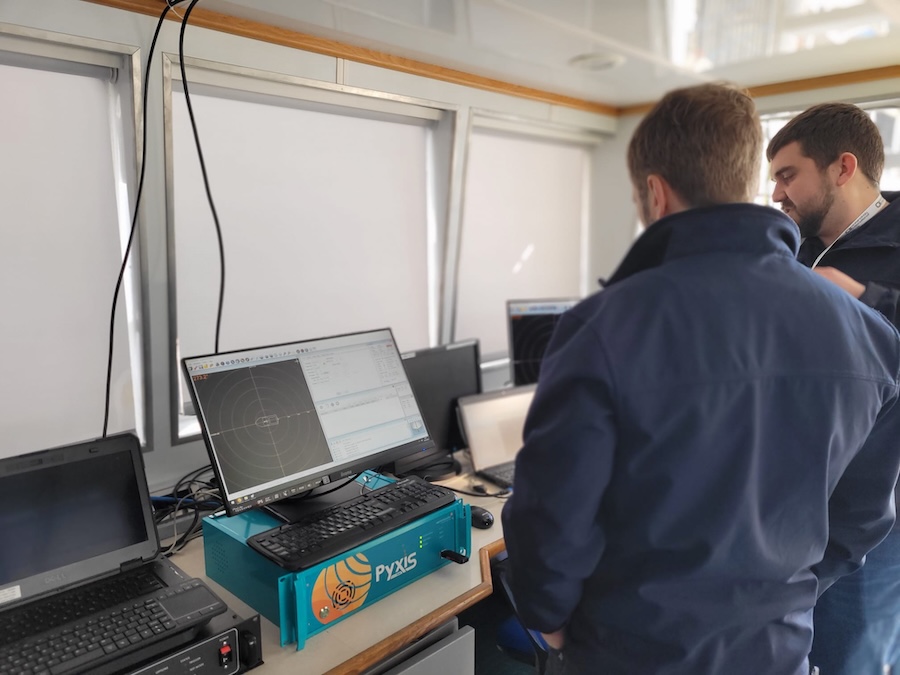
Subsea acoustic positioning beacons are an essential part of underwater positioning systems when used in conjunction with surface tracking systems.

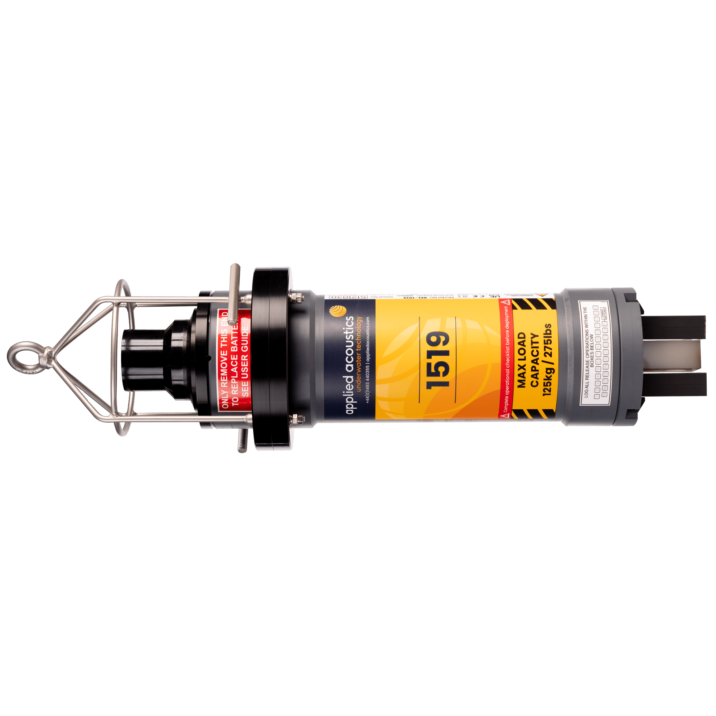
Beacons, available in a variety of sizes and ratings, enable USBL tracking of targets from shallow waters to depths of up to 4000 m, and are used across a wide range of underwater applications to accurately locate assets and equipment.
applied acoustics’ beacon range is optimized for different environments, including shallow-water operations. The 1320 series is designed for divers and small ROVs, providing critical positioning information for ship crews to monitor diver safety and health.
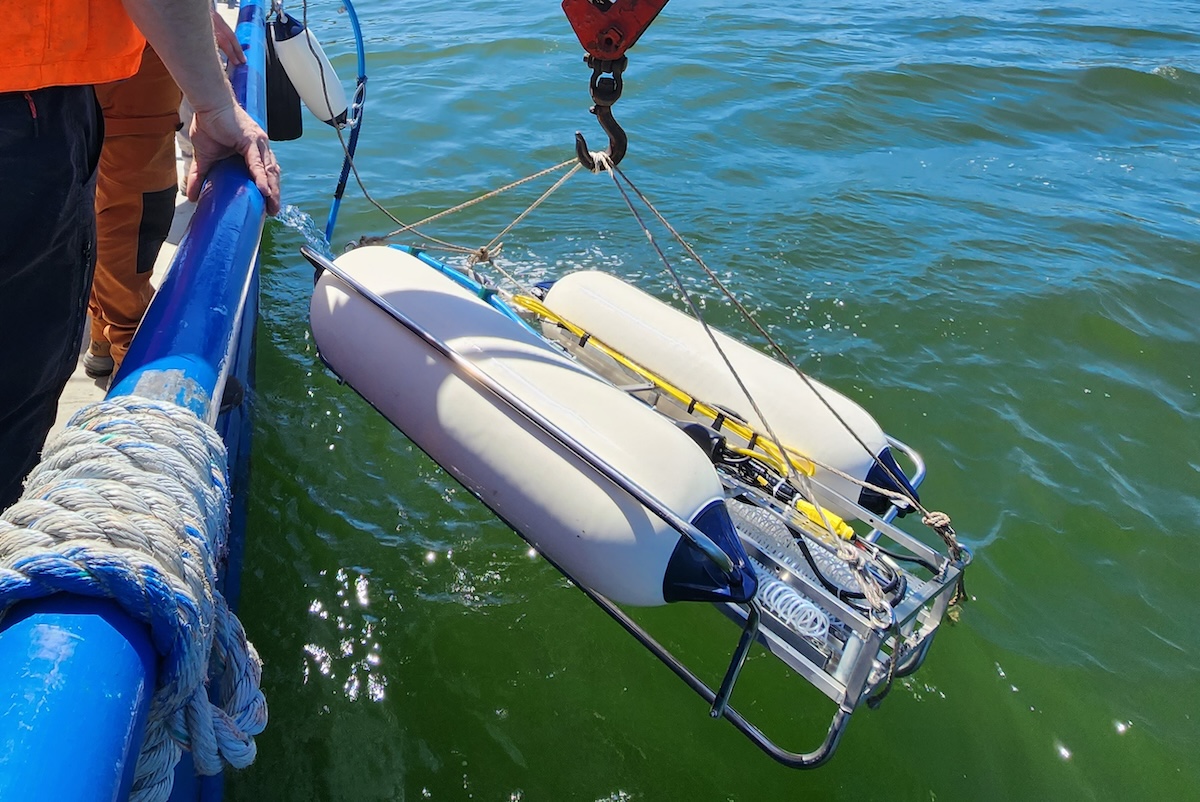
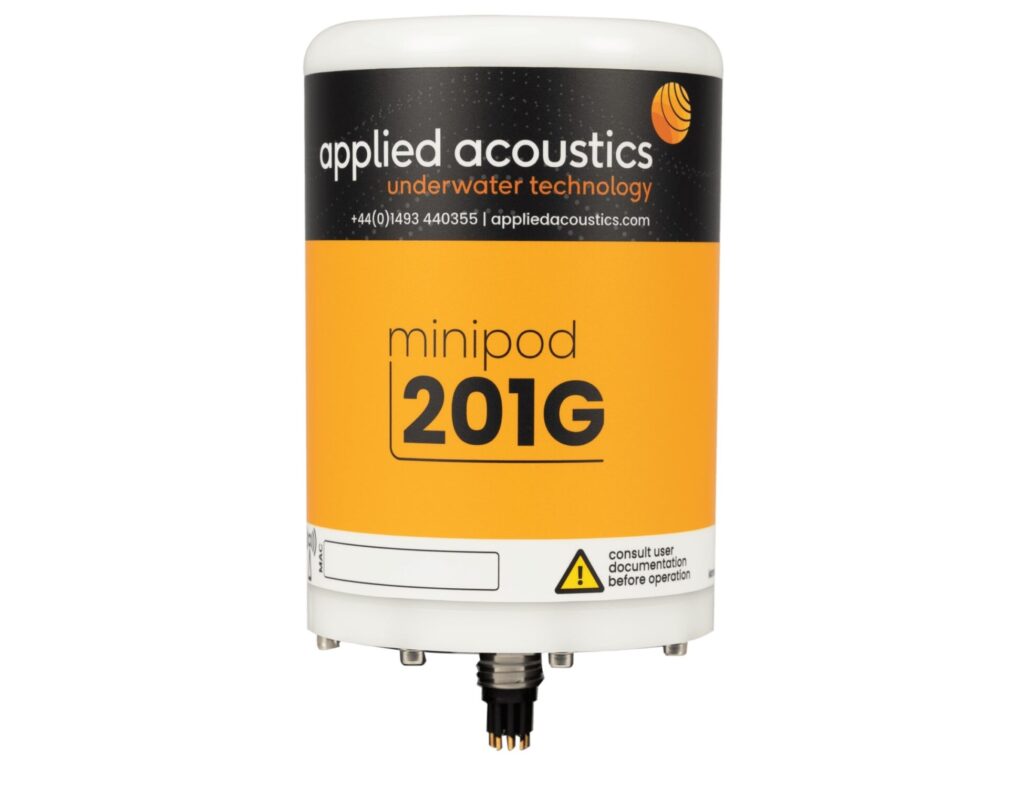
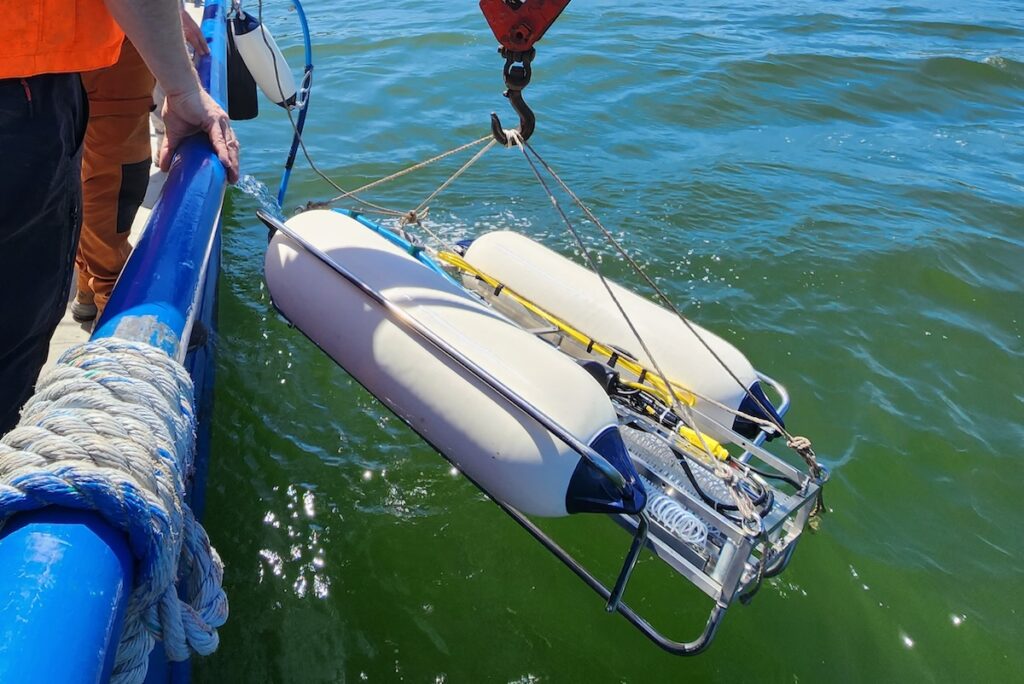
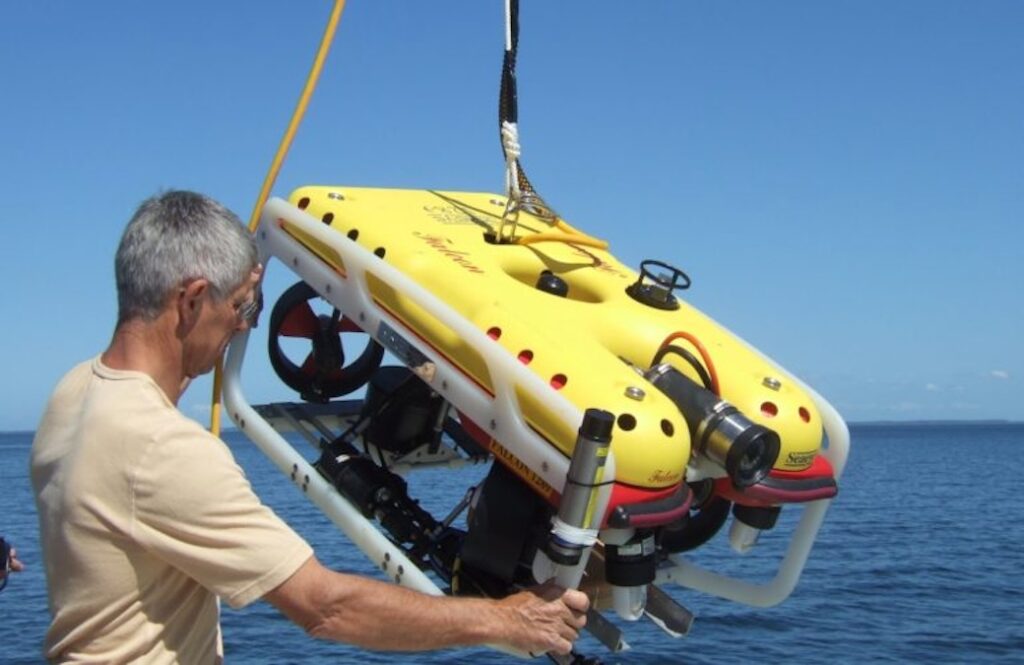
The Mini beacons, models 1119 and 1113H, are versatile core models used for workclass ROV/AUV tracking, subsea asset marking, sidescan sonar towfish tracking, and fish aquaculture operations.
Beacon Types & Applications
Positioning beacons are generally divided into directional and omni-directional. Directional beacons focus acoustic energy in a narrow beam, increasing range and noise immunity, making them ideal for sidescan towfish and long-range tracking.
Omni-directional beacons are typically used for short-range operations around a vessel, as their beam pattern extends across a full hemisphere.
Larger beacons typically provide more power or longer battery life, which can extend operational range. However, smaller, low-power beacons are more suitable for short-range or shallow-water operations, as high-powered units can saturate receivers and cause tracking geometry misalignment.
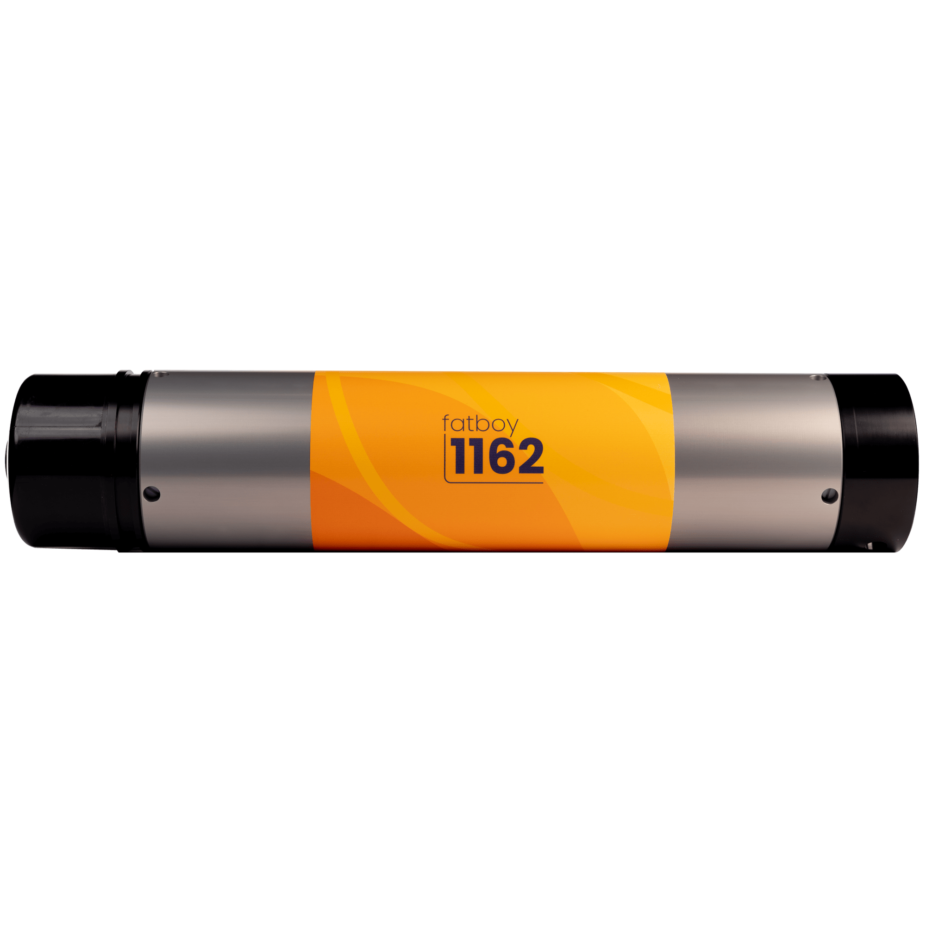
Beacons designed for long-term deployments require a longer listening and operational life. For example, the 1159 model includes three separate battery packs, ensuring continuous operation for the duration of the project.
Beacon Performance Optimization
Advanced systems with Sigma 2 digital spread spectrum acoustic protocol benefit from beacons configured on Sigma 2 channels. These wideband channels, which spread across a frequency range, provide precise, reliable, and stable positioning. applied acoustics offers Sigma 2 quickset channels on all current beacon models.

applied acoustics beacons can also be equipped with depth sensors to provide precise depth references for positioning. The integrated sensor appends pressure data to the transmitted acoustic message, which the surface transceiver uses to calculate the beacon’s position. Depth sensors are available in rating options from 100 m to 4000 m.
Installation & Maintenance
Beacons must be securely installed, with clear, unobstructed lines-of-sight to the USBL tracking system. Larger models include protective cages and sleeves to minimize physical damage. Remote transducer options are available for tight spaces.
applied acoustics’ omni-directional beacons can operate at ±90° from the transducer’s centre point, so the transducer should be kept free from obstructions to ensure reliable tracking.
The company’s transponder beacons also offer multiple mounting options, and remote transducers are available to allow the electronics bottle to be installed separately when space is restricted.
Regular maintenance is critical for optimal performance. Batteries should be fully charged, PRVs vented, and beacons rinsed in fresh water after recovery. Damage to transducers or electrical connectors should be checked, and PRVs serviced annually.
To find out more information, read ‘How To Maximise Performance With Positioning Beacons’ here >>