Cerulean Sonar’s imaging sonar technology became a key part of Banergy’s underwater search, recovery, and disaster response operations across India’s flood-prone river systems.
 What began in 2021 as an effort by brothers Swarnab Banerjee and Rishav Banerjee to improve access to marine robotics components for Indian engineers and researchers changed rapidly when severe flooding events exposed operational gaps in emergency response capabilities.
Swarnab Banerjee, a power electronics and motors expert, and his younger brother Rishav Banerjee, a mechanical engineer from automotive manufacturing, originally founded Banergy to support engineers and student teams that lacked access to reliable marine robotics hardware and technical support. That changed during the widespread flooding and water-related disasters of 2024, when Indian disaster management agencies approached the company with a simple request: they needed a camera underwater.
Flooded River Conditions Limited Optical Imaging
Initial camera-based systems demonstrated the limitations of optical imaging in the Ganga River and surrounding delta regions. Visibility often dropped to only ten or fifteen centimeters because of suspended sediment, debris, tidal activity, and strong currents.
“Cameras don’t work here. Optics will not work. Sonar was our bet,” commented Swarnab Banerjee.
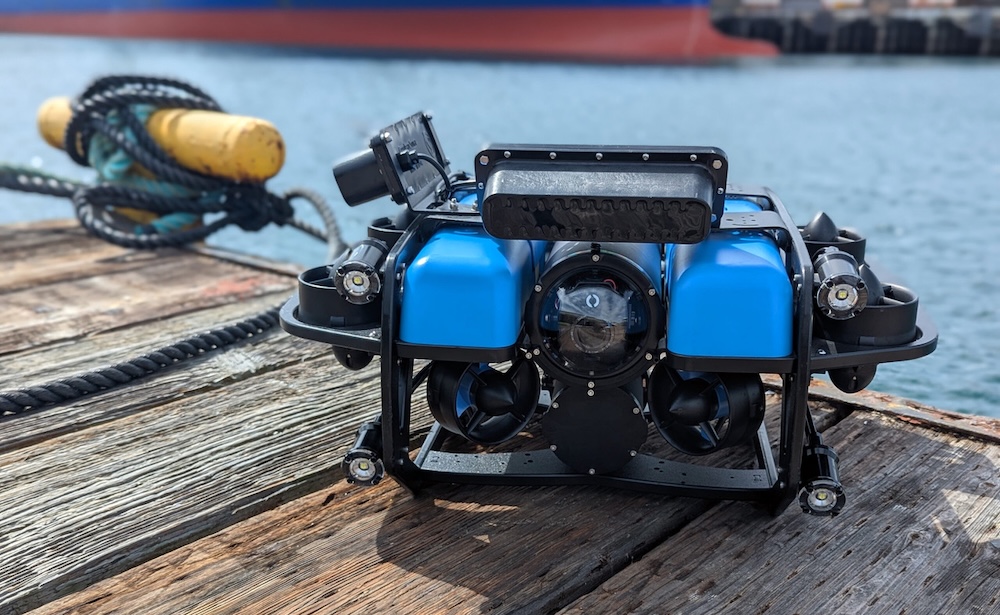
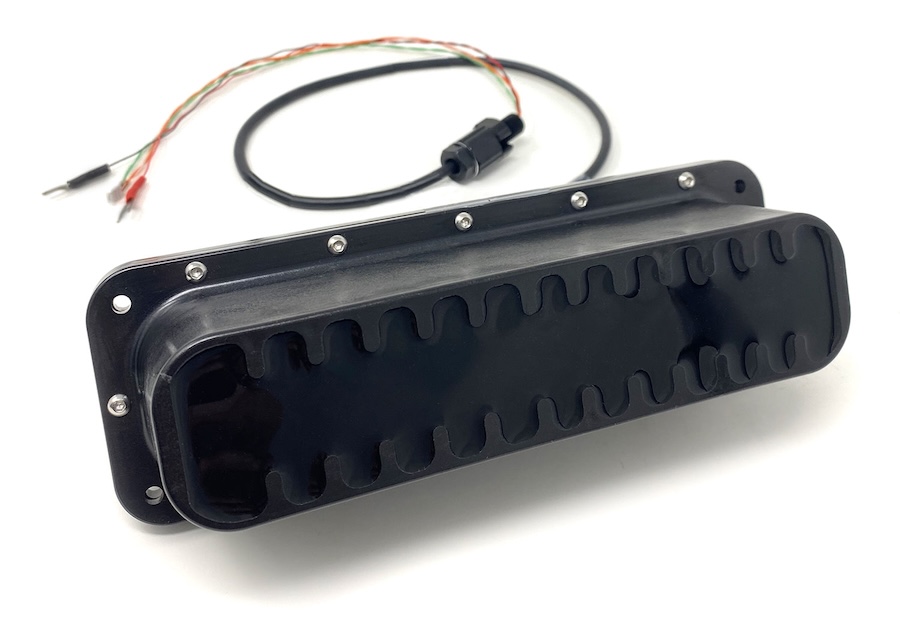
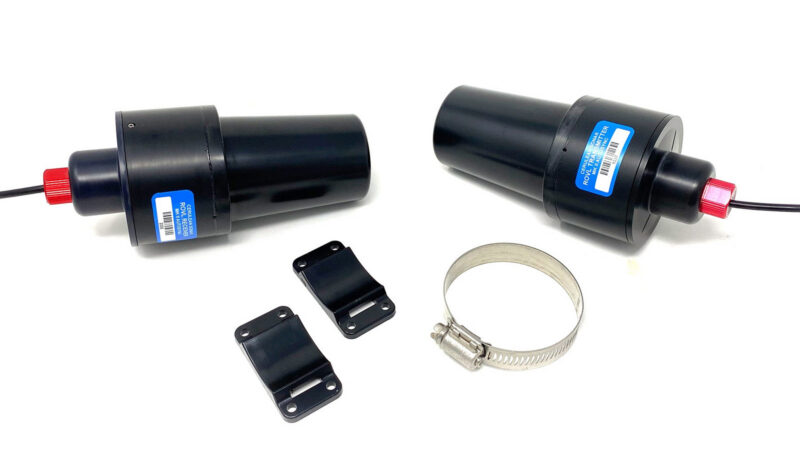
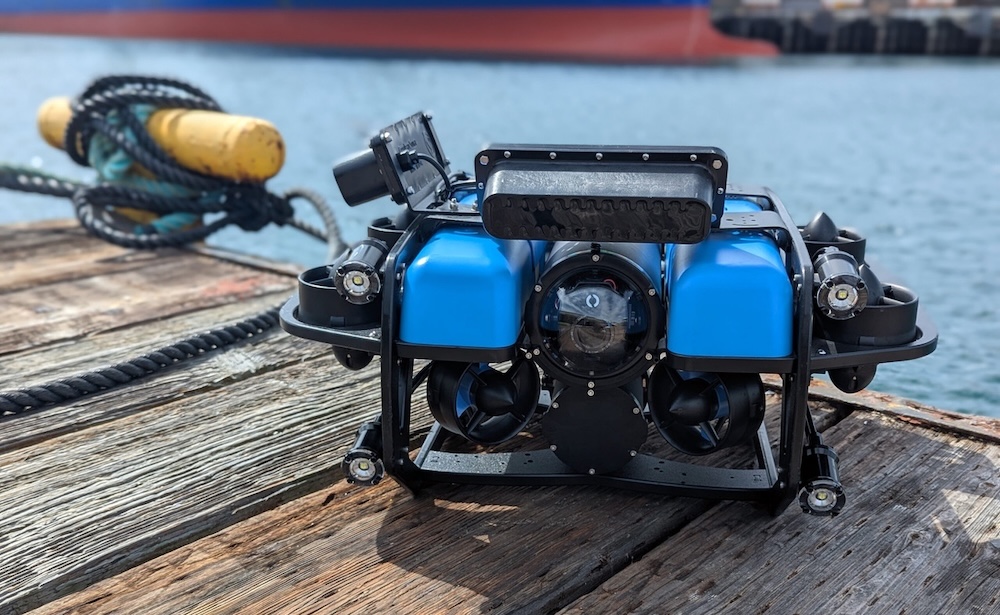
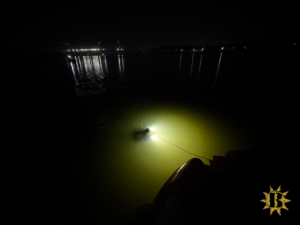 Banergy also found that sonar performance depended not only on the imaging system itself, but also on vehicle stability in highly turbulent river conditions. To address this, the company modified and re-engineered its Remotely Operated Vehicle (ROV) platform for Indian river environments while integrating Cerulean forward-looking sonar into the system.
Swarnab Banerjee first encountered Cerulean through an online video demonstration and acquired a unit for evaluation before integrating it into field operations. While uncertainty remained regarding performance in highly silted river systems, Banergy concluded that the technology represented a practical and affordable option for deployment within India’s disaster management sector.
“We are not going to be able to control the environment, so we might as well take a bet on the technology,” added Swarnab Banerjee.
Integrated Systems and Sonar Training
Alongside the underwater platform, Banergy developed a field-deployable Surface Command System integrating sonar data, telemetry, and camera feeds into a unified operational interface. The company also layered its proprietary Centurion AI platform onto Cerulean’s SonarView software to support sonar monitoring and object detection.
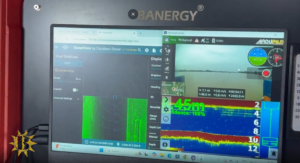
As deployments increased, Banergy identified another challenge: operators unfamiliar with acoustic imaging often struggled to interpret sonar returns. To address this, Banergy developed its Made Under Pressure training framework and the RoTOPS operational standardization program covering sonar interpretation, search methodology, and robotic systems procedures.
Supporting Faster Recovery Operations
Before robotic sonar deployment, recovery operations in tidal rivers often relied on divers conducting manual searches in near-zero visibility conditions during narrow tidal windows. Missions frequently extended across several days.
With Cerulean sonar integrated into Banergy’s systems, some operations that previously required days were completed in hours, while robotic systems continued operating at night and between tidal windows.
During Operation Basanti, involving recovery of a 30-foot trawler that capsized during a thunderstorm, the system identified the vessel’s GPS position, orientation, and tilt angle on the riverbed before divers entered the water.
“For a diver going into zero visibility, this changes everything. Instead of searching blindly, they’re executing a precise plan,” stated Rishav Banerjee
In another operation, Banergy deployed an ROV equipped with Cerulean sonar to recover a lost high-value sonar system during a thunderstorm after authorities initially estimated the mission would require approximately 72 hours. The equipment was recovered in approximately four and a half hours.
Developing a Scalable Operational Model
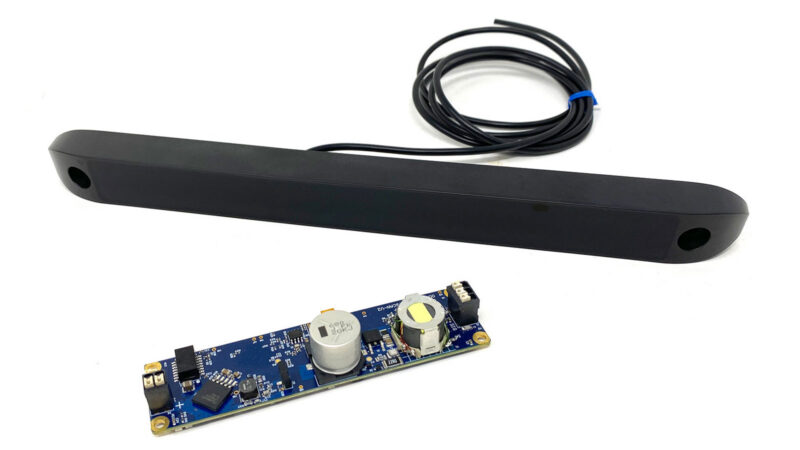
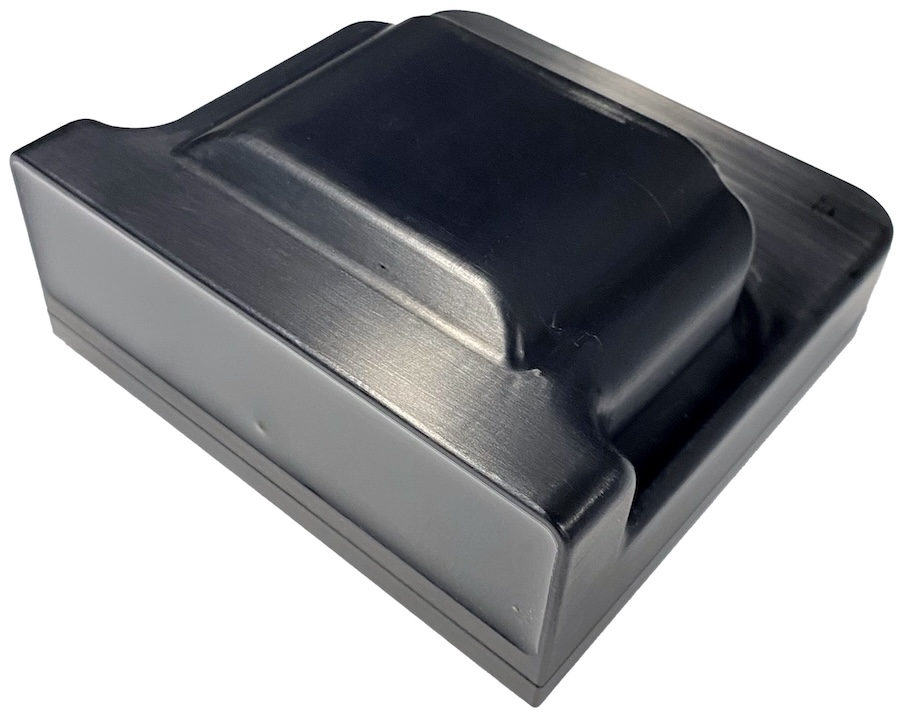
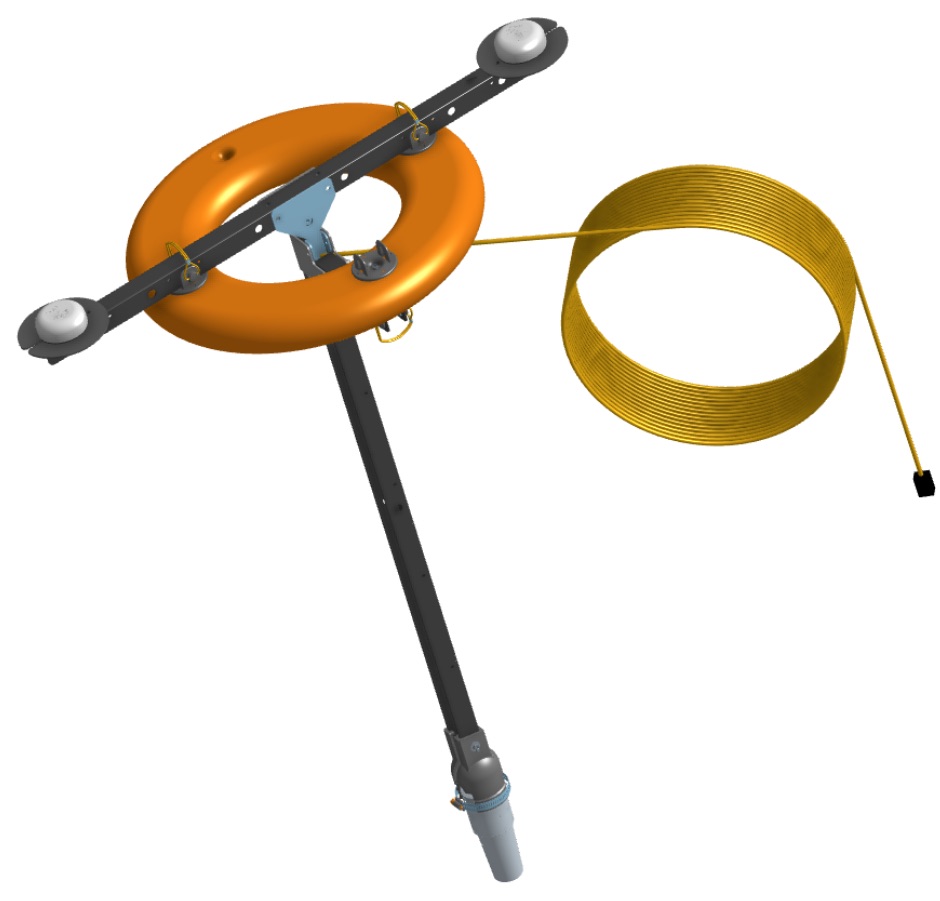
Banergy’s operational model incorporates uncrewed surface vessels equipped with Cerulean side-scan sonar for riverbed mapping, ROVs carrying Cerulean forward-looking sonar for target investigation, and human divers entering the water after robotic systems establish an operational plan.
Banergy’s long-term objective extends beyond reactive recovery operations. The company envisions permanently deployed robotic systems positioned along India’s river ghats, allowing response systems to begin operations more quickly after incidents occur.
As Banergy expands its disaster response operations, the company views Cerulean’s sonar technology as a central component in developing scalable robotic emergency response systems for deployment throughout India and neighboring regions.