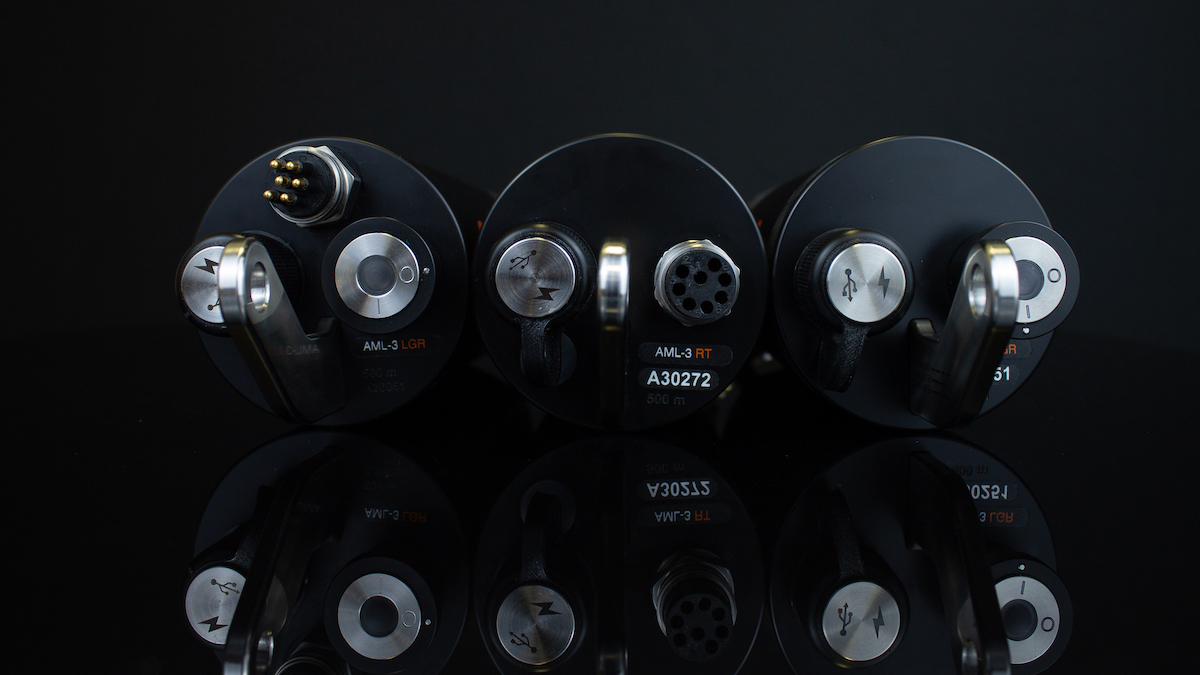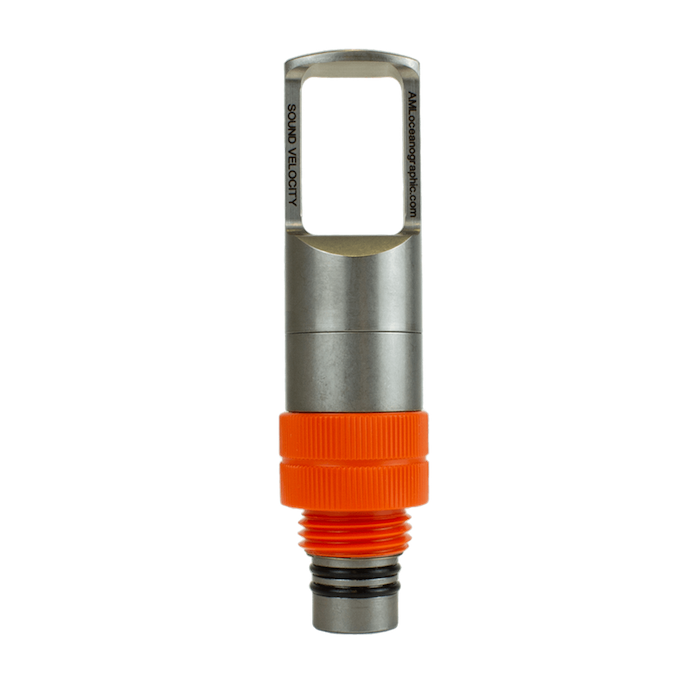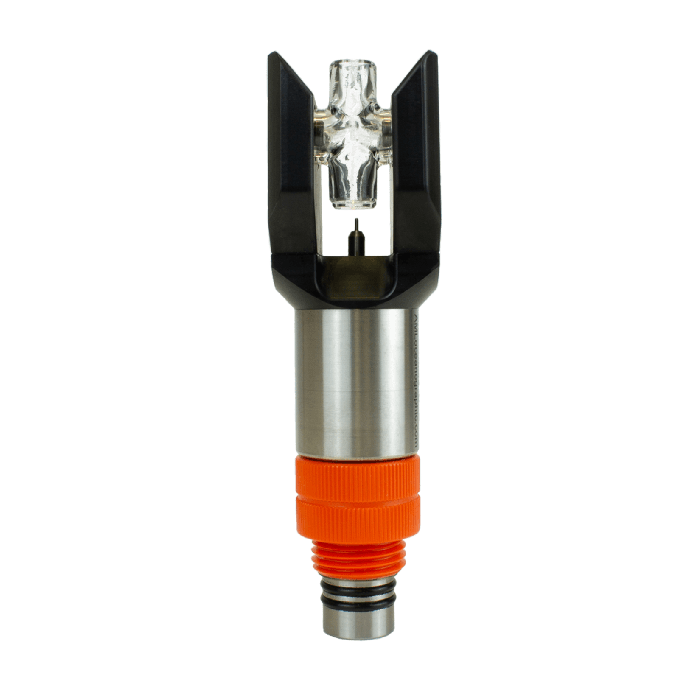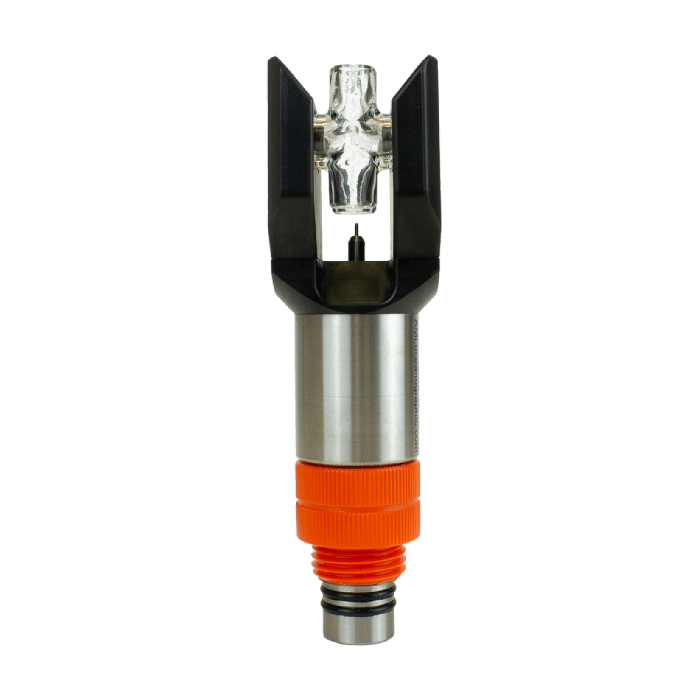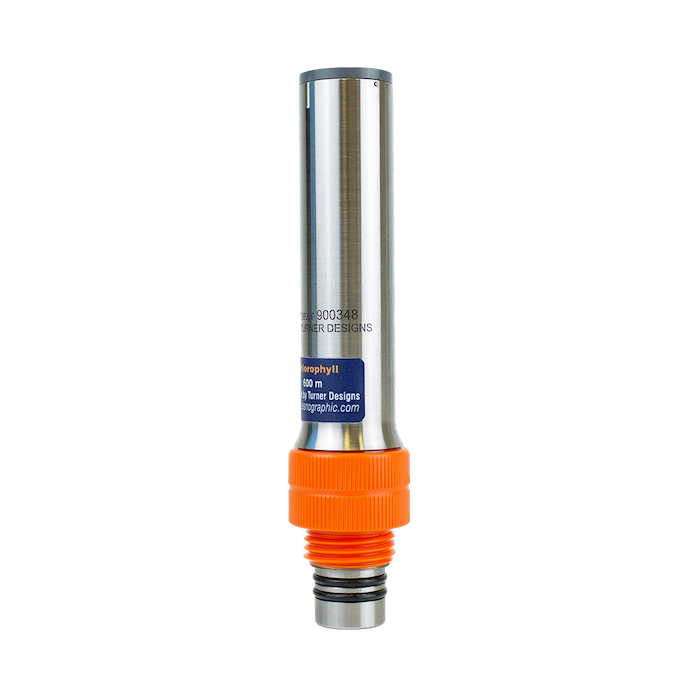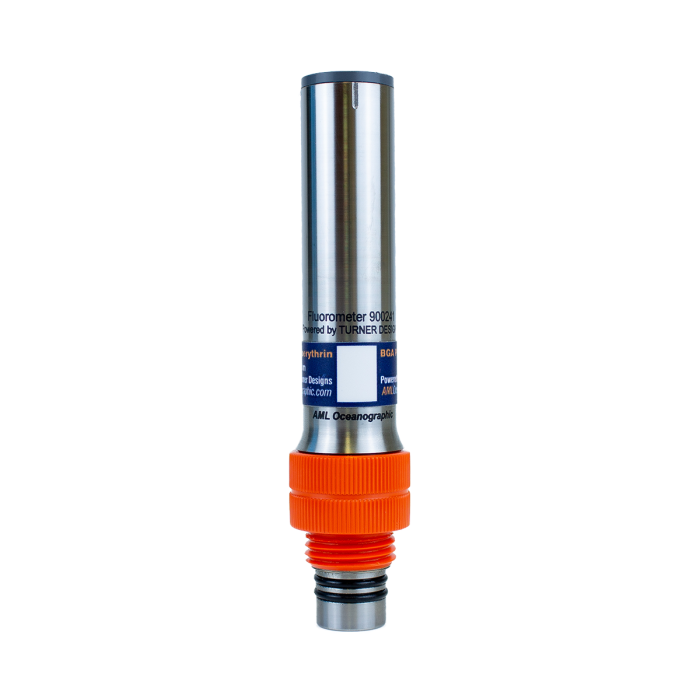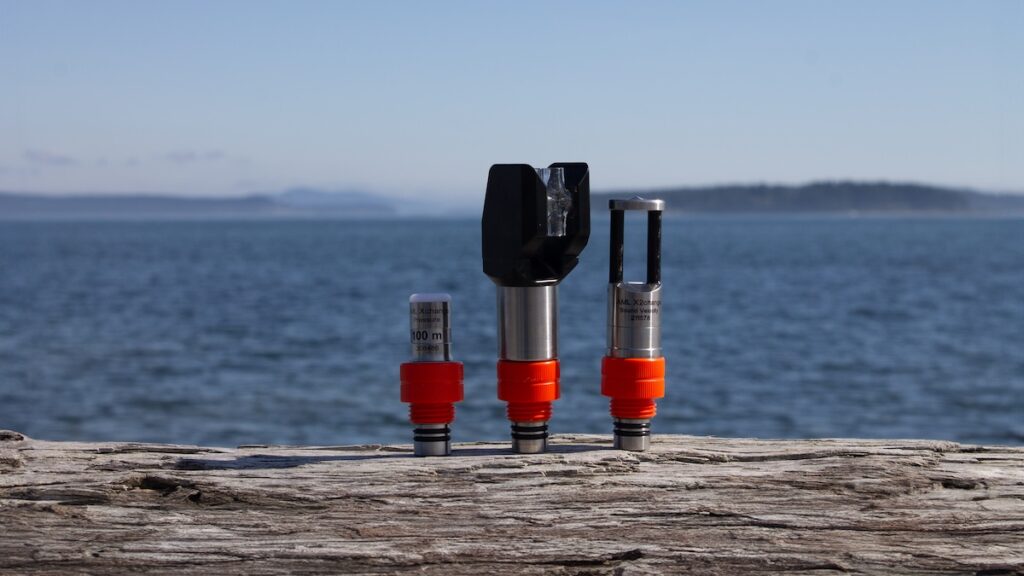

AML Oceanographic has outlined the differences between Conductivity, Temperature, and Depth (CTD) profilers and Sound Velocity (SV) profilers used in hydrographic survey operations.
 The company explains that both systems are used to obtain sound speed data, but they use different measurement methods.
CTD profilers measure conductivity, temperature, and pressure. These parameters are then used to calculate sound velocity through an empirically derived formula. The measurements can also be used to determine seawater characteristics including density and salinity.
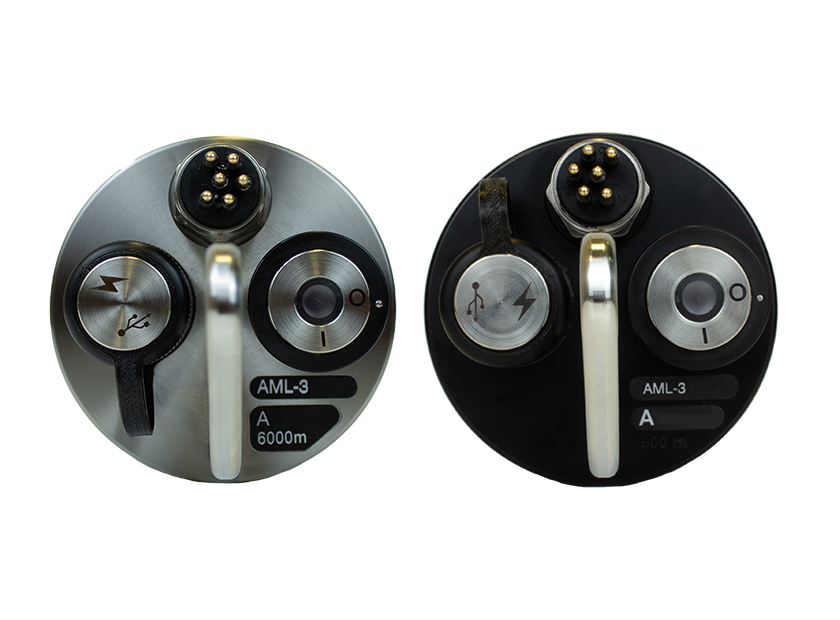
AML Oceanographic’s Time-Of-Flight (TOF) SV technology measures sound velocity directly by timing an acoustic pulse as it travels across a fixed distance. The company states that this approach is based on first principles rather than empirically derived formulas.
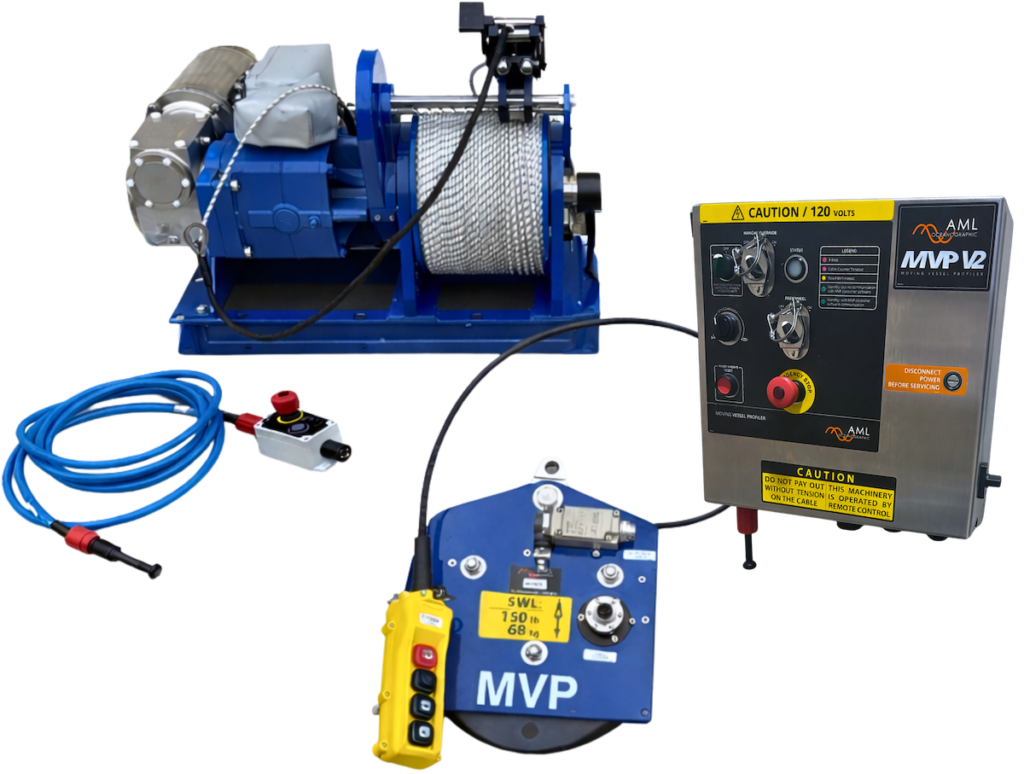
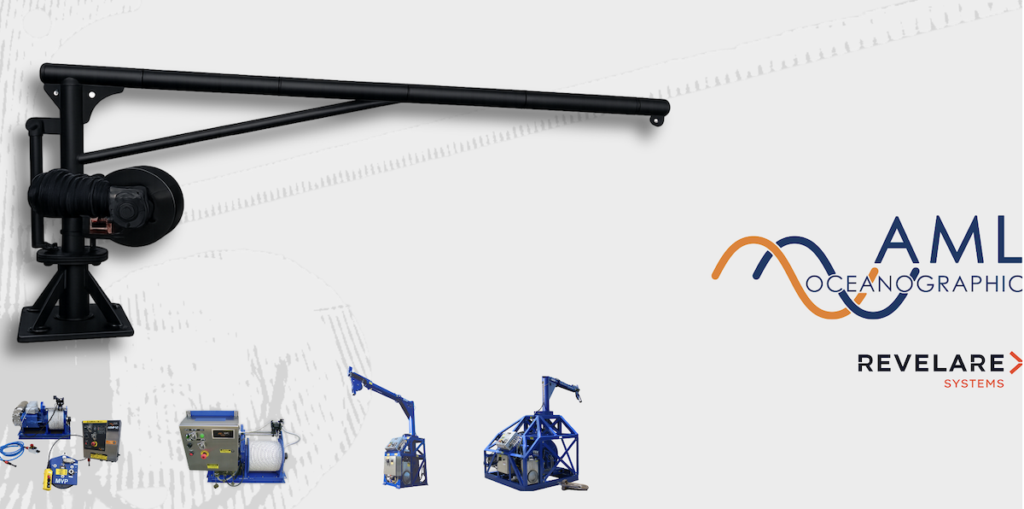
AML Oceanographic also highlighted its Moving Vessel Profiler (MVP) system for underway profiling operations. According to the company, more than 130 MVP systems have been sold and used across thousands of surveys.
To find out more on why sound speed measurement method matters, visit the AML Oceanographic website.