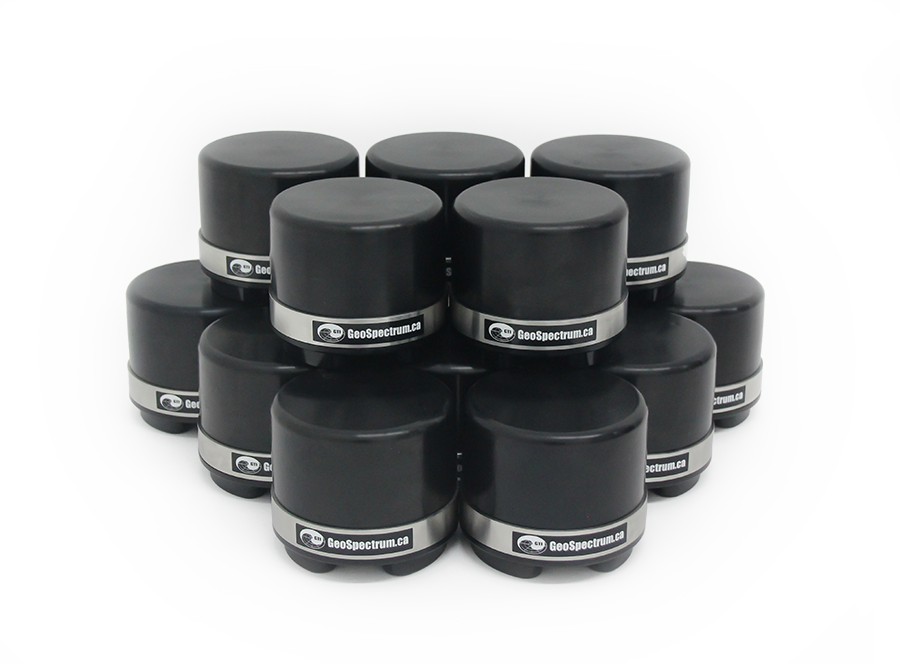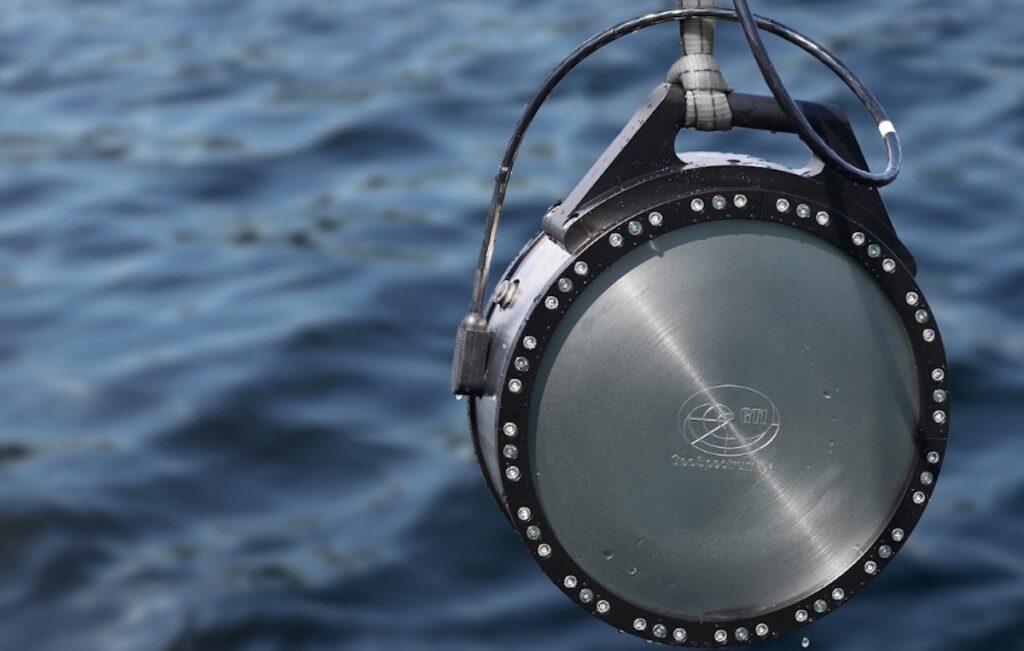




GeoSpectrum Technologies, a developer of marine acoustic hardware for maritime surveillance and oceanography, supports the evolution of Arctic exploration and monitoring through its Very Low-Frequency (VLF) acoustic solutions, including the C-Bass system. Read more >>
As operational and scientific activity in polar regions continues to expand, such technologies enable sustained performance in environments characterized by extreme conditions and limited accessibility.
Over the past decade, changes in global climate patterns have influenced how researchers and industry stakeholders observe and operate in remote ocean regions. The Arctic has seen increased naval activity, growth in subsea infrastructure, and expanded environmental monitoring efforts. These trends have elevated the importance of reliable sensing and communication technologies capable of functioning in ice-covered and deep-water environments.
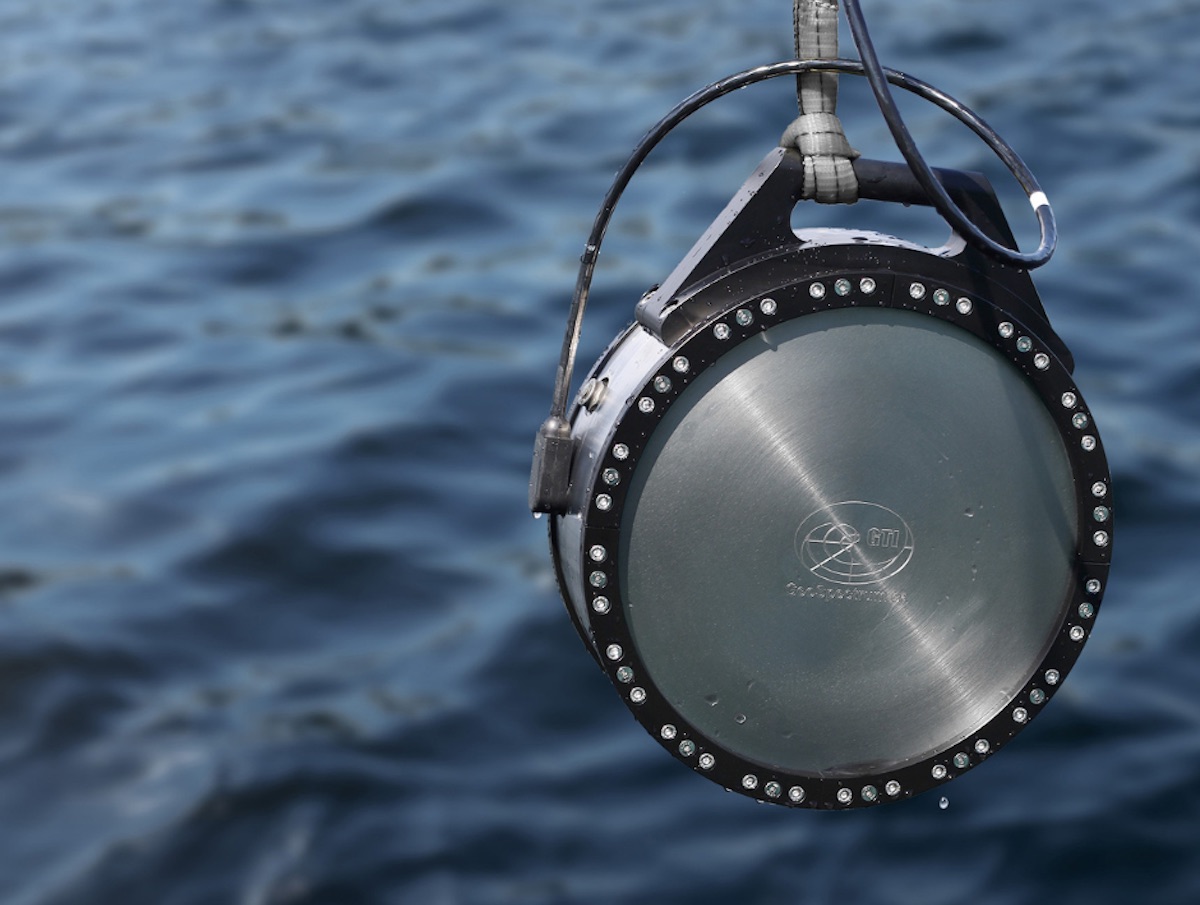
VLF acoustic sources, such as GeoSpectrum Technologies’ C-Bass, provide several core capabilities. These include accurate environment-specific performance prediction, undersea communication between unmanned systems and remote operators, long-range passive monitoring using cost-effective autonomous platforms, and precise under-ice localization and tracking at key chokepoint locations. Together, these functions support persistent situational awareness and operational effectiveness in challenging Arctic conditions.
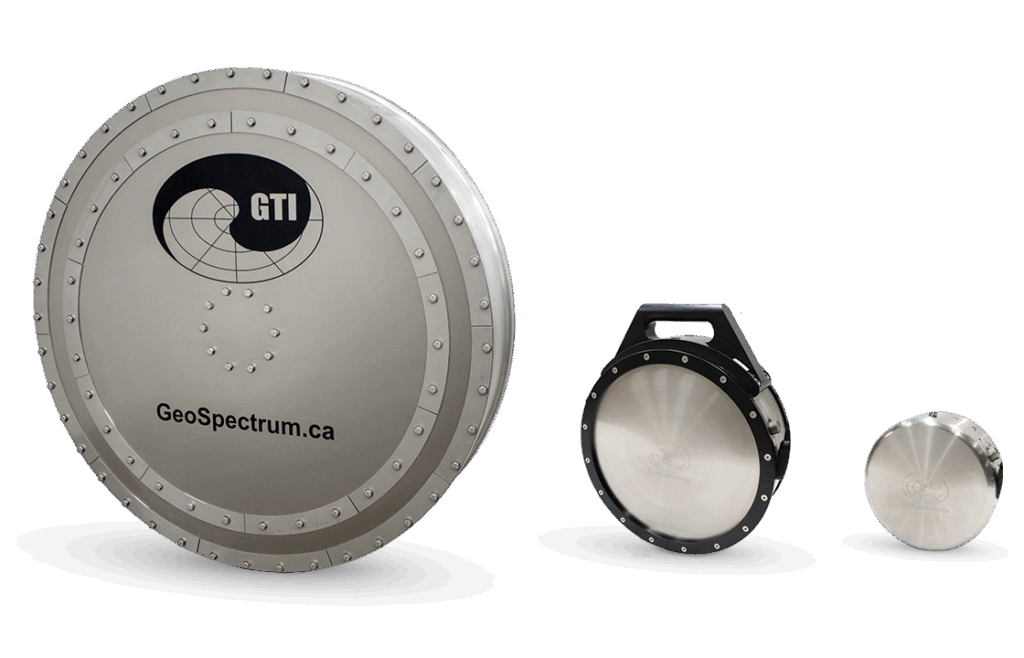
C-BASS systems.
VLF acoustic systems are particularly well suited to polar environments due to their ability to transmit signals across long distances with minimal energy loss. This enables wide-area coverage in complex and ice-covered waters. In addition, their capacity for extended autonomous operation reduces the need for frequent maintenance or direct human intervention. This is a critical advantage in remote Arctic regions and deep ocean basins where access is difficult and costly. These characteristics position VLF technology as a foundational element in scalable and resilient undersea operations.
Low-Frequency Acoustics Supporting Basin-Scale Research
Field initiatives such as the Central Arctic Acoustic Thermometry Experiment (CAATEX) demonstrate how long-range acoustics can contribute to both scientific research and operational awareness. This program is focused on improving understanding of climate-driven change in the central Arctic Ocean and has incorporated very low-frequency sound sources into basin-scale studies.
In the summer and fall of 2019, C-Bass sound sources were deployed on autonomous subsea moorings equipped with onboard computers, signal generators, amplifiers, and battery power. The use of battery-powered systems enabled extended independent operation without reliance on surface vessels, which is essential in ice-covered regions with limited access. Each source was programmed to transmit acoustic signals every third day over the course of a year, providing a consistent and repeatable signal set.
Reception ranges from the C-Bass sources extended across the entire Arctic Basin, including distances in excess of 2500 km. This level of coverage allows researchers to examine acoustic propagation over long ranges under varying ice and oceanographic conditions. The data supports a more detailed understanding of how the Arctic Ocean is responding to a warming climate.
Ongoing investment in deep-water research and surveillance strengthens the ability of the ocean technology and defense sectors to address evolving requirements. These efforts contribute to informed decision-making, environmental monitoring, and defense priorities in a region undergoing significant change.