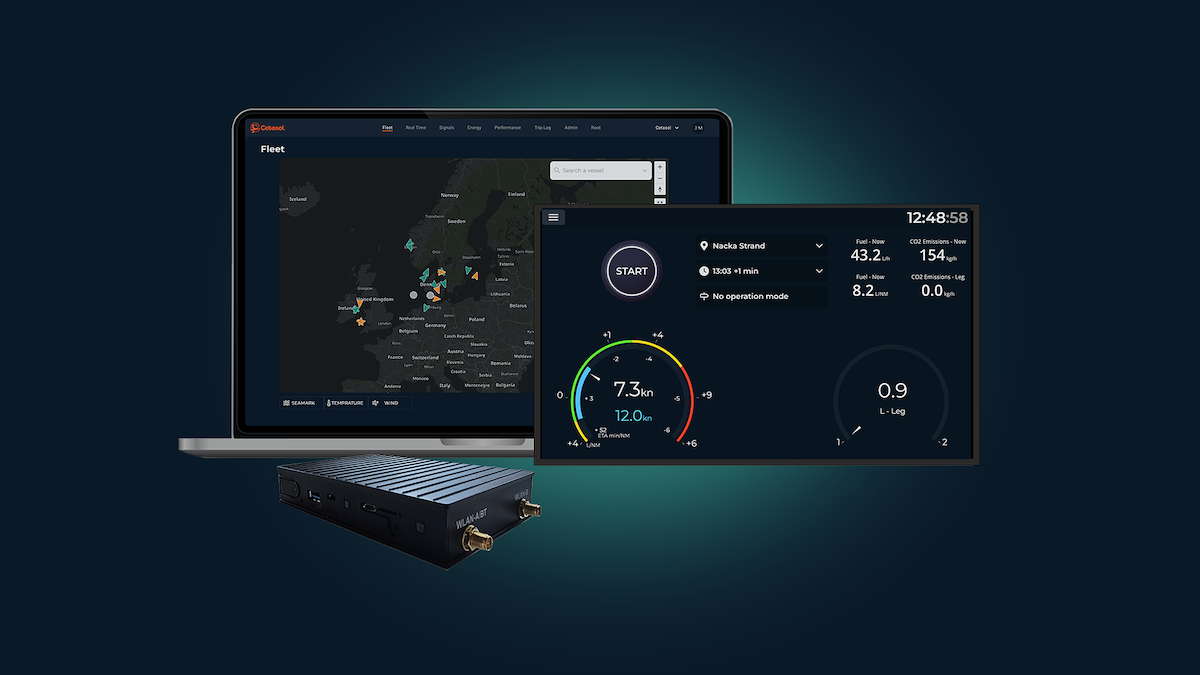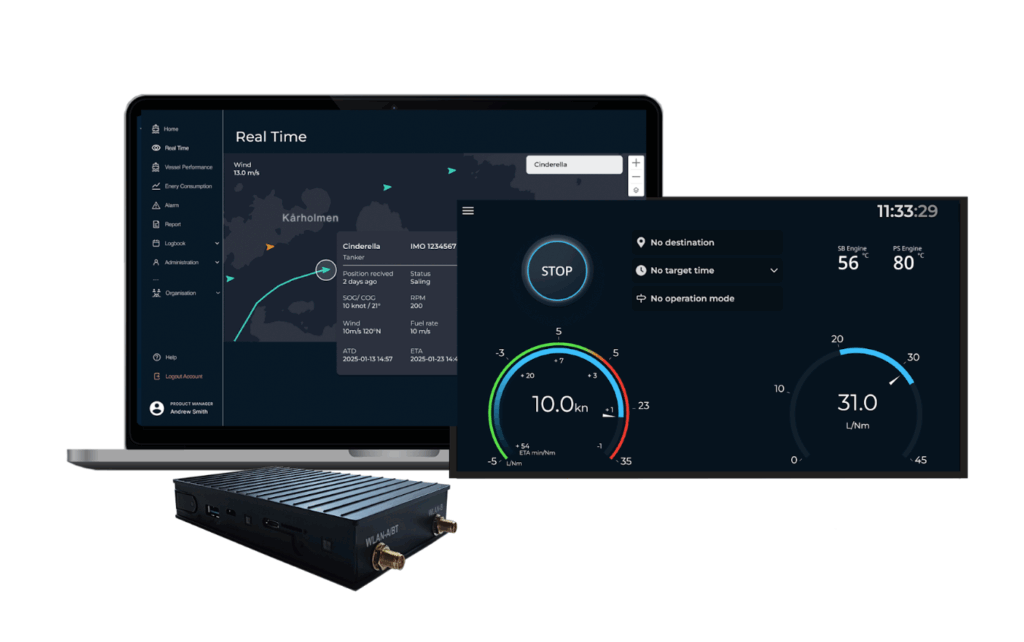




Cetasol’s CetaFuel is a software-based virtual mass flowmeter that measures vessel fuel consumption in real time without requiring equipment to be installed in the fuel line.
The system delivers reported accuracy of 97% to 99.5% and can reduce capital expenditure by up to 90% compared with conventional flowmeter installations.
By avoiding pipe modifications, yard time, and mechanical flow sensors, CetaFuel can be deployed within days. Its software-based approach also removes the maintenance demands, clogging risk, and mechanical failure points associated with physical devices installed directly in the fuel system.
Addressing Gaps in Vessel Fuel Data
Many vessels operate without dedicated fuel-monitoring sensors, while others rely on hardware-based systems that can be costly to install and maintain. CetaFuel provides an alternative for fleet operators seeking accurate consumption data without the complexity of an in-line flowmeter.
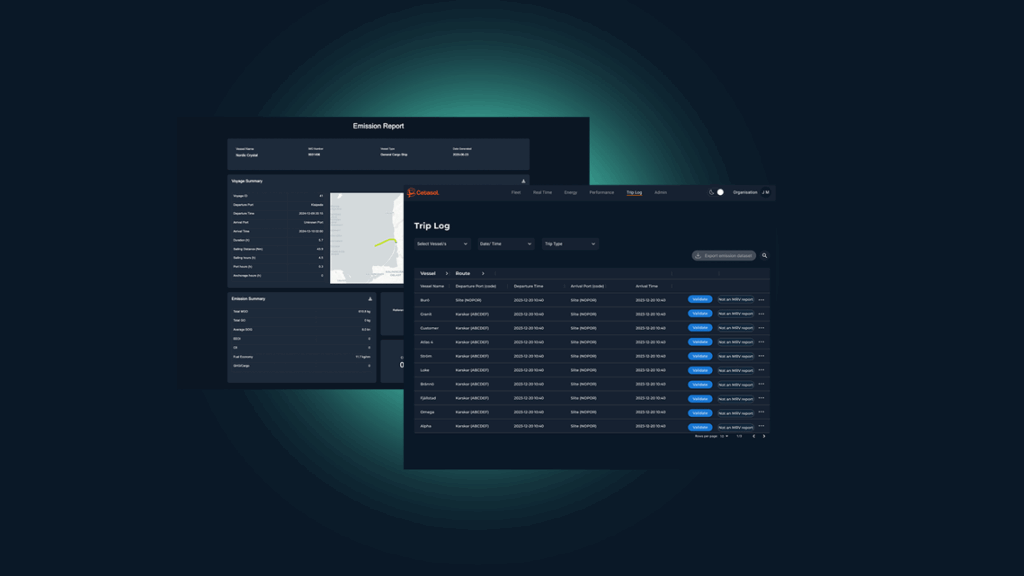
The resulting fuel information can support vessel-efficiency analysis, emissions reporting, and regulatory compliance workflows. Because the system connects to existing onboard data sources, installation does not require fuel-pipe modifications or yard time.
CetaFuel can reduce capital expenditure by up to 90% compared with traditional flowmeter installations. Its software-led design also eliminates the need for a physical sensor within the fuel line, removing the risk of clogging and reducing exposure to mechanical wear or failure.
A Virtual Mass Flowmeter Based on Engine Data
CetaFuel uses Cetasol’s patented modeling technology to create a physics-based digital twin of each engine’s fuel behavior. The system combines electronic control unit calculations with available engine signals, including RPM, pressures, and temperatures.
These inputs feed into a vessel-specific physics model that calculates fuel consumption in real time. This enables fuel measurement without directly monitoring flow through an in-line sensor.
Calibration is completed using data from around three bunkering events. Once the model has been calibrated against the vessel’s actual fuel data, it operates without ongoing recalibration. With no mechanical measuring components in the fuel line, the system also avoids mechanical wear and does not require drift correction.
Accuracy Across Multiple Engine Brands
CetaFuel has been validated across multiple engine brands. Reported results include 99.5% accuracy on Volvo Penta engines, 99.2% on Scania engines, and 97.8% on MAN engines.
Validation across vessels worldwide has produced accuracy results of up to 99.5%, with results varying depending on the engine and installation. This level of performance can be comparable with traditional flowmeters, without the same installation complexity.
Integration With the iHelm Platform
iHelm from Cetasol
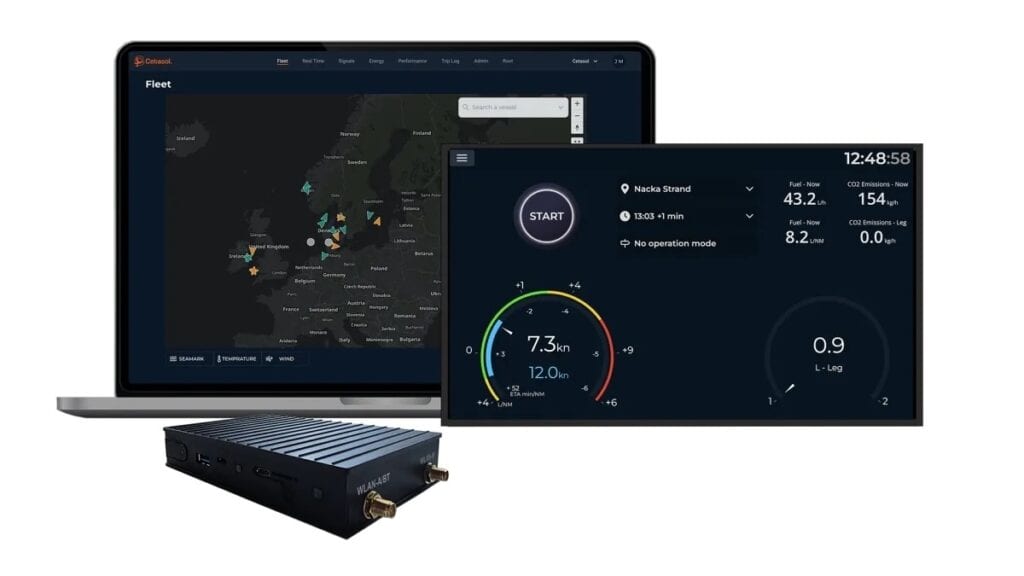
CetaFuel can be combined with Cetasol’s iHelm vessel performance management platform. Fuel-consumption data generated by CetaFuel can be incorporated into iHelm’s fleet-wide decision-support functions, allowing operators to use measured consumption information when reviewing operational performance.
The combination is intended to help turn fuel-consumption insights into measurable operational improvements.
Applications Across Vessel Types
CetaFuel can be used across several vessel categories and operating profiles, including ferries, tugboats, merchant vessels, crew transfer vessels, pilot boats, and fishing vessels.
Because the system relies on available engine signals rather than an in-line fuel sensor, it can be applied where conventional flowmeter installation would be costly, disruptive, or difficult to maintain.
Reducing Installation and Operational Risk
CetaFuel requires minimal hardware and does not introduce components into the fuel path. This removes clogging risk and reduces the likelihood of failure associated with mechanical sensing equipment.
Initial setup requires data from one to three bunkering events so the model can be calibrated against the vessel’s actual fuel use. Following this stage, the system runs independently without ongoing recalibration.
By combining available engine data with vessel-specific physical modeling, CetaFuel provides real-time fuel-consumption measurement while limiting installation work, maintenance requirements, and long-term costs.