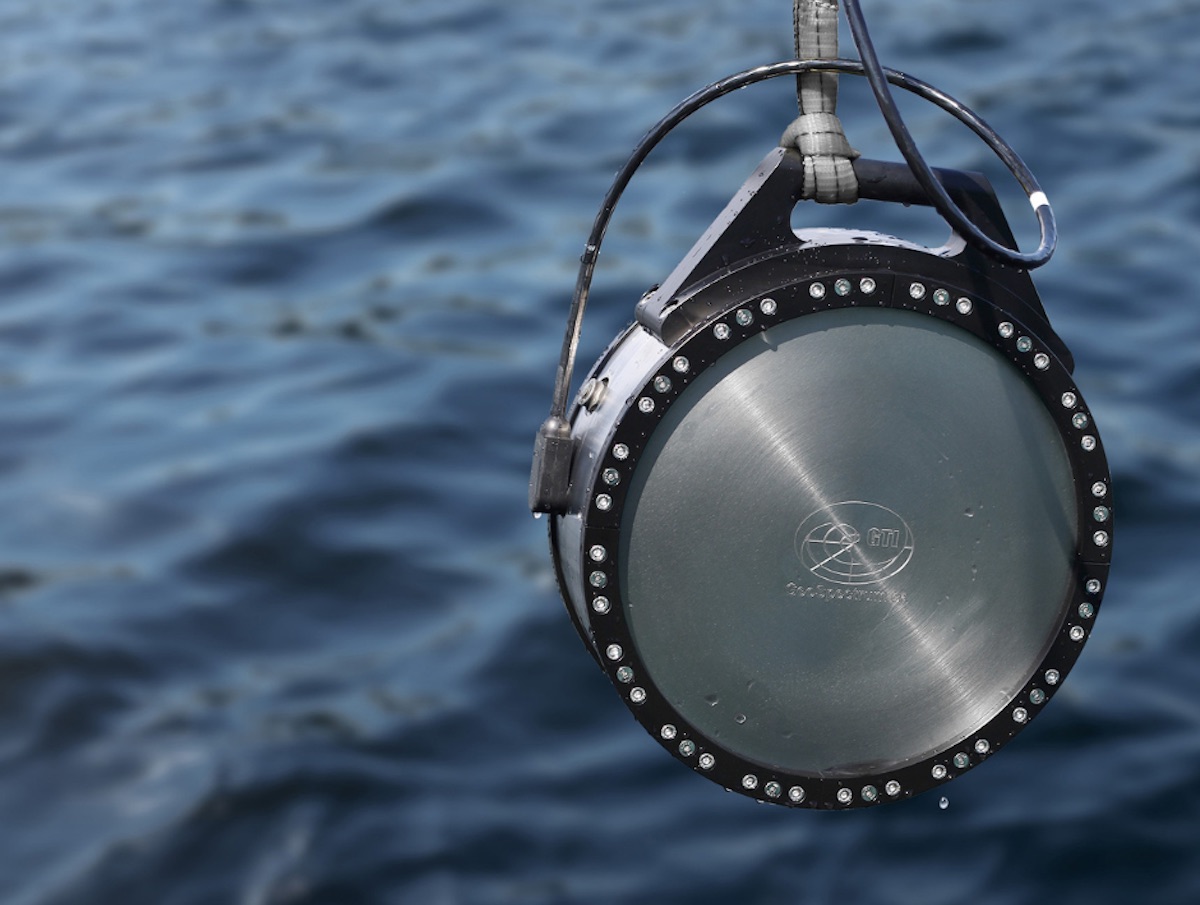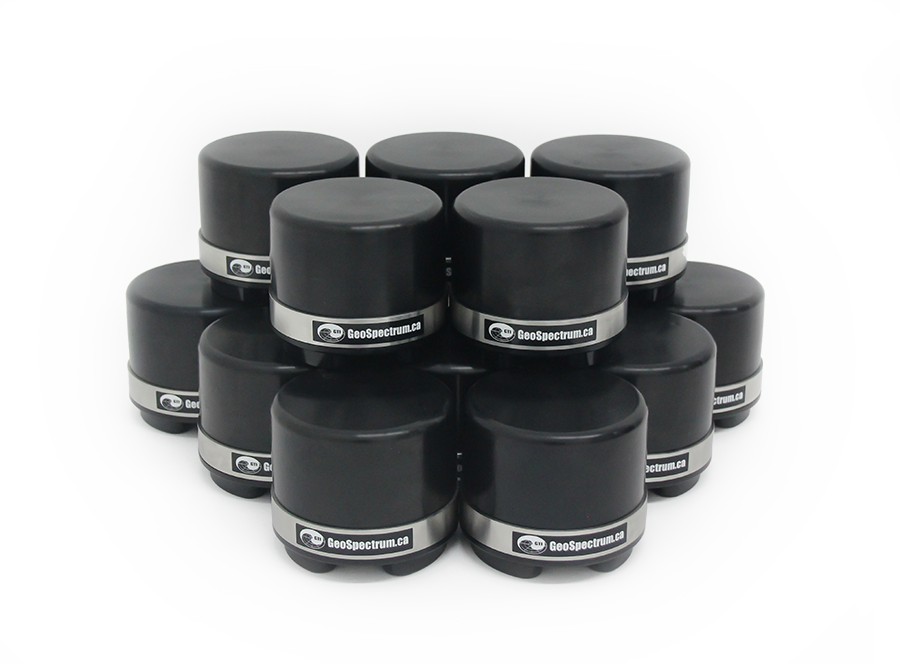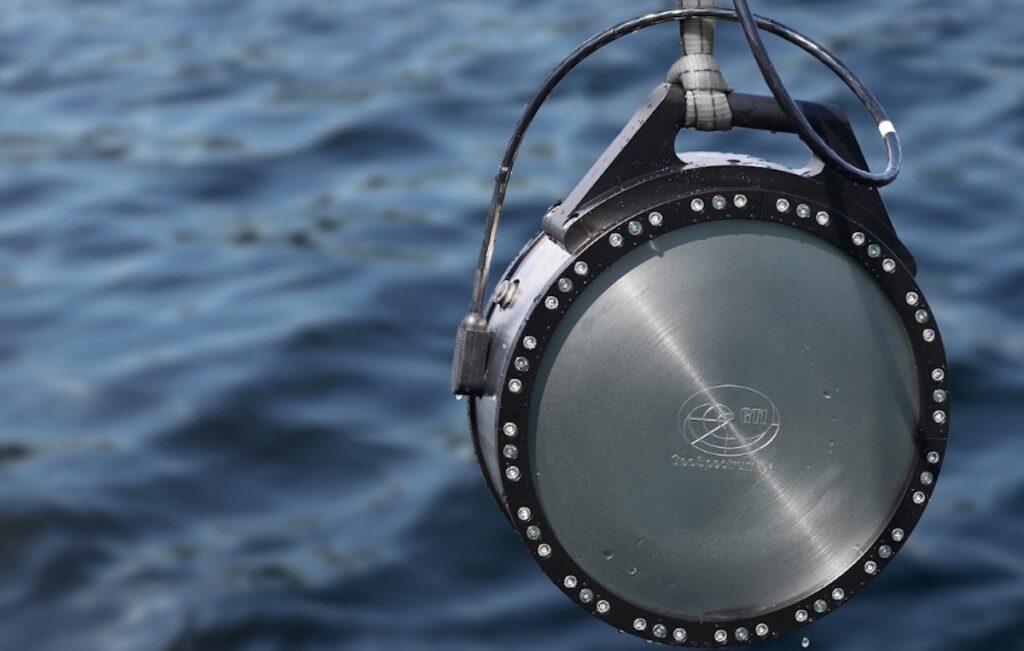



GeoSpectrum Technologies’ C-Bass very low-frequency (VLF) acoustic source is emerging as a critical enabler of sustained Arctic undersea monitoring.
Over the past decade, accelerating climate-driven changes have reshaped how scientists and industry operators observe and operate in extreme ocean environments, particularly in the Arctic, where naval activity, undersea infrastructure development, and environmental monitoring efforts have intensified.
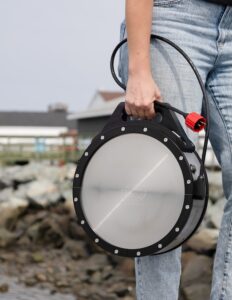
C-Bass
VLF acoustic systems support four core capabilities essential for Arctic operations: accurate environment-specific performance prediction, robust undersea communication between unmanned assets and remote operators, long-range passive monitoring using cost-effective autonomous platforms, and precise under-ice localization and tracking at key chokepoint locations.
These systems are particularly suited to Arctic conditions because their signals propagate over long distances with minimal energy loss, enabling wide-area coverage in ice-covered and complex waters. Autonomous operation for extended periods reduces the need for frequent maintenance or human intervention, a key advantage in remote polar regions and deep ocean basins where access is limited and costly. Collectively, these characteristics position VLF technology as a foundation for persistent, scalable, and resilient Arctic undersea operations.
Long Range Monitoring in the Arctic
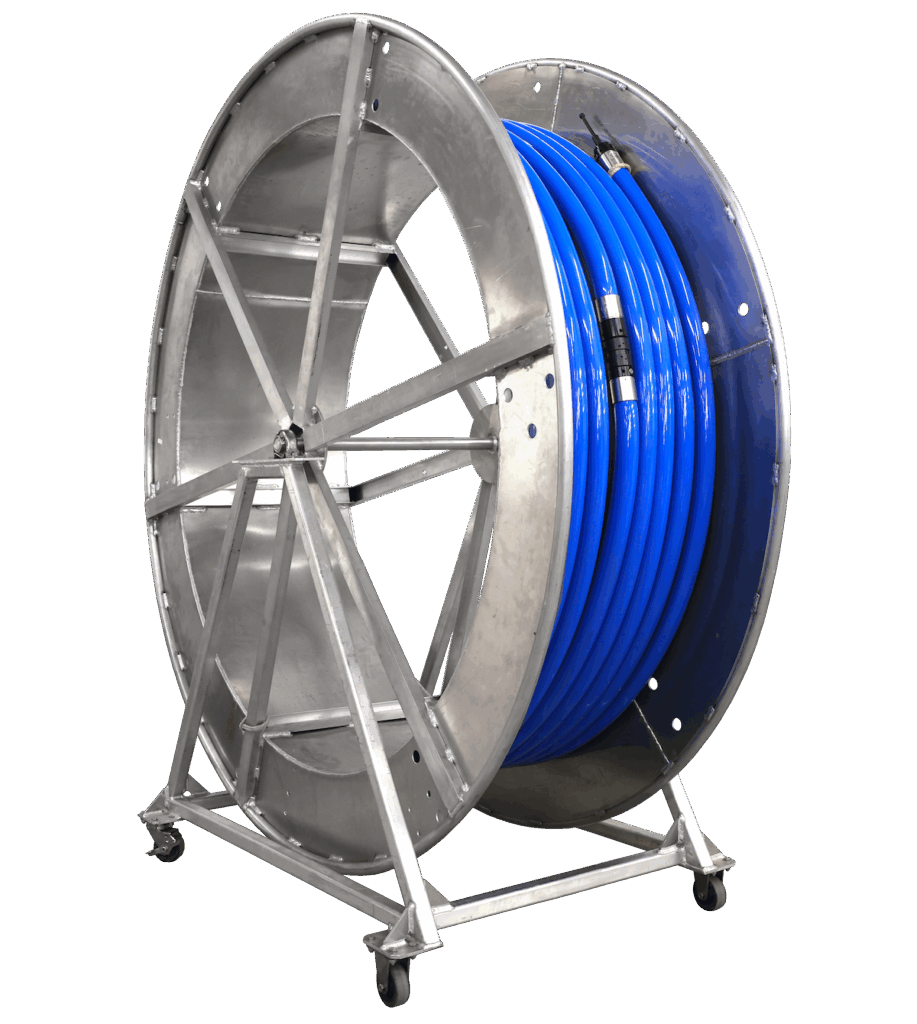
Field programs such as the Central Arctic Acoustic Thermometry Experiment (CAATEX), which examines climate-driven changes in the central Arctic Ocean, demonstrate how long-range acoustics support both scientific research and operational awareness. In one deployment, C-Bass sound sources were installed on autonomous subsea moorings equipped with onboard computers, signal generators, amplifiers, and battery power.
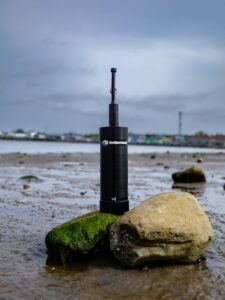
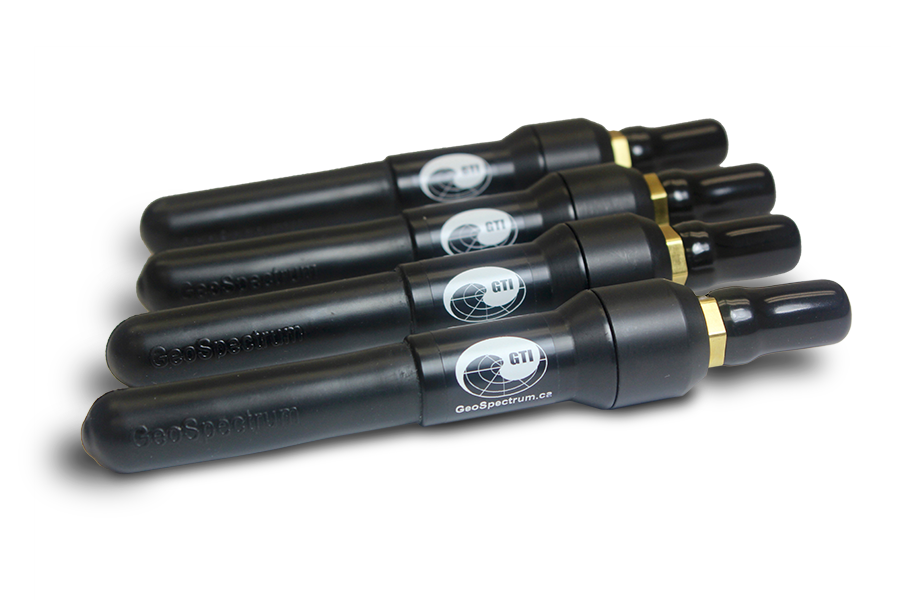
M20 Vector Sensor
Battery-powered operation allowed the systems to function independently for extended periods, which is critical in ice-covered regions where access is restricted. Each source transmitted acoustic signals every third day for a full year, providing a consistent and repeatable dataset for analysis. Signal reception extended across the Arctic Basin, exceeding 2,500 km, enabling researchers to study acoustic propagation under varying ice and oceanographic conditions and supporting a more complete understanding of the Arctic Ocean’s response to a warming climate.
Increasing investment in deep-water research and surveillance enhances the ability of ocean technology and defense sectors to support informed decision-making, environmental stewardship, and operational priorities in a rapidly changing Arctic.
Oceanology International 2026
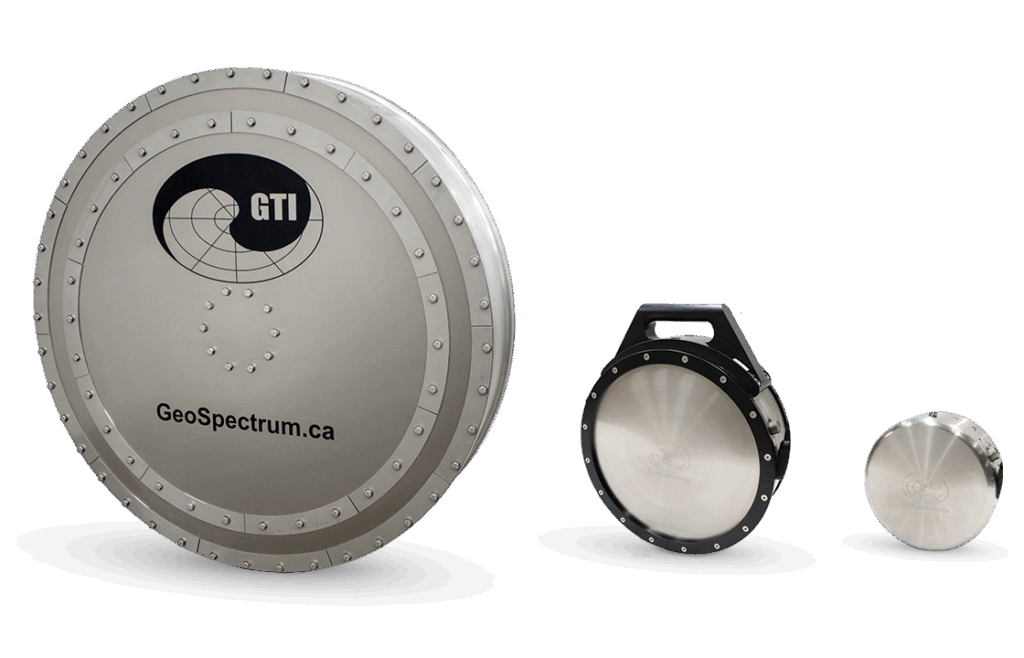
GeoSpectrum Technologies will exhibit its technologies at Oceanology International (OI) London Excel, March 10-12, as part of the Canadian Pavilion (Booth E400, stand #13). The company will display a range of acoustic transducers, including the M20 particle motion sensor, C-Bass VLF sound source, and M36 hydrophone, and will provide demonstrations and discussions of their applications in Arctic research, undersea monitoring, and autonomous operations.