The Global Sourcing Hub for Marine, Subsea & Offshore Technology
Discover cutting-edge solutions from leading global suppliers
January’s most-read articles on OST highlighted how ocean technologies are being refined to deliver greater precision, resilience, and insight across subsea operations, environmental monitoring, safety-critical missions, and autonomous systems. From modernized infrastructure tools and national-scale coastal datasets to advances in underwater automation and agile vehicle design, the stories reflect a sector focused on practical capability, data-driven decision-making, and long-term operational value.
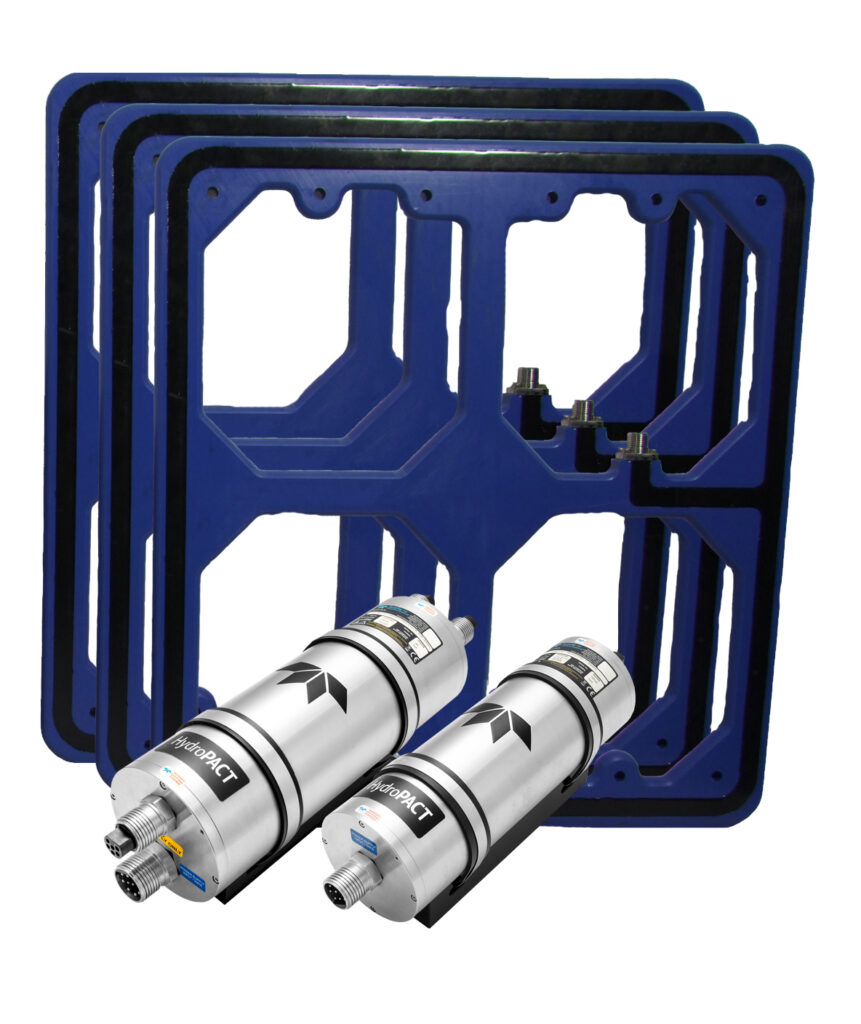
The most-read article on OST focused on the modernization of established subsea infrastructure technology, as Teledyne Marine introduced the HydroPACT 440 MK2, a significant update to its pipe and cable tracking system that has been in service since the early 1990s. Widely used across offshore energy, telecommunications, and defense projects, the HydroPACT platform supports installation, survey, and verification activities by delivering real-time tracking and proof-of-lay data for subsea assets.
The updated MK2 version retains the operational familiarity relied upon by offshore crews while introducing a comprehensive hardware refresh, including a new titanium subsea housing that reduces size and weight and provides a standard depth rating of 6,000 meters.
Designed to support the growing adoption of electric ROVs, the system is now offered as a 24Vdc single subsea pod, alongside new SDC11 and RMC11 topside computers running an upgraded, Windows 11-compatible version of the DeepView operating system. Despite the architectural overhaul, the system is being released at the same price point as its predecessor, with upgrade pathways available for existing users.
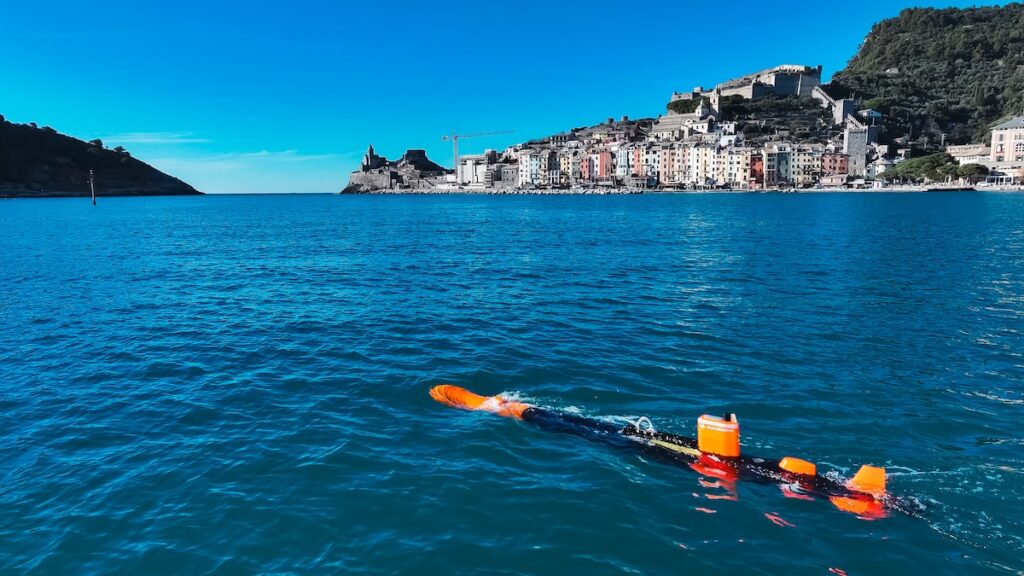
From subsea infrastructure monitoring, the focus shifted to coastal ecosystems and the role of high-resolution data in environmental restoration. Fugro, working with CGR, EOMAP, and PlanBlue, detailed its contribution to Italy’s Marine Ecosystem Restoration (MER) project, which aims to deliver a unified national dataset of seagrass meadows and seafloor morphology. Led by ISPRA and funded through NextGenerationEU, the initiative supports habitat protection and recovery efforts, with particular emphasis on Posidonia oceanica, a seagrass species critical to Mediterranean biodiversity and carbon storage.
The article outlined how satellite-derived bathymetry, airborne lidar, multibeam echo sounders, and autonomous underwater vehicle surveys are being integrated into a continuous, standardized coastal dataset extending from land to shallow offshore waters. By consolidating ecological and geomorphological information within a single geospatial framework, the project establishes a consistent baseline for restoration planning, infrastructure development, and long-term ecosystem monitoring, helping to align environmental policy with sustainable economic activity.
Operational safety and humanitarian applications were also prominent, with coverage of how Deep Trekker is supporting Ukraine’s underwater demining efforts as part of a United Nations Development Programme (UNDP) initiative. Faced with extensive explosive contamination across rivers, reservoirs, and coastal waters, Ukrainian agencies are deploying REVOLUTION ROVs to remotely locate and assess hazards in environments where diver-led approaches are often impractical.
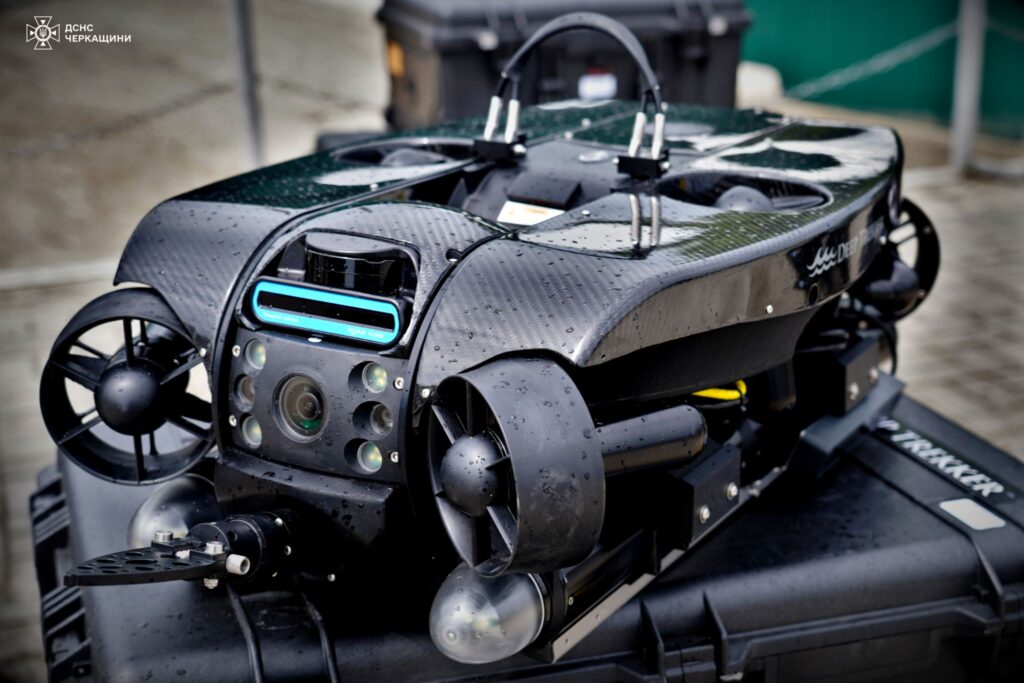
Beyond equipment delivery, the article highlighted the importance of training and capacity building, including the establishment of Ukraine’s first unified group of certified underwater ROV instructors. While only a small fraction of contaminated aquatic areas have been cleared to date, the combination of remotely operated systems and coordinated multi-agency training is reducing risk to personnel while strengthening long-term civilian safety and infrastructure recovery.
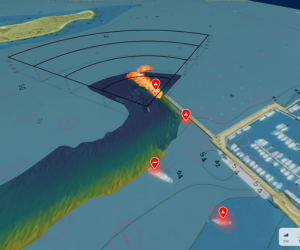
On the automation front, FarSounder received a Manufacturing Innovation Voucher from the Rhode Island Commerce Corporation to accelerate the integration of AI-based target recognition into its 3D forward-looking sonar software. The funding supports the development of a fully integrated prototype capable of automatically classifying sonar targets ranging from seafloor features and wake-related interference to in-water objects such as rocks, ice, and marine life.
Drawing on more than 80 terabytes of global sonar data collected over two decades, FarSounder is applying convolutional neural networks to process raw acoustic information in real time. Designed to scale as additional data is introduced, the technology is expected to enhance situational awareness and collision avoidance for both crewed vessels and autonomous platforms, reflecting a wider shift toward software-driven decision support in complex maritime environments.
Rounding out January, attention turned to advances in compact underwater platforms with the launch of the Mission Specialist Wraith, developed by VideoRay, a subsidiary of AeroVironment. Designed for high-precision subsea operations, the vehicle’s ten vectored thrusters provide full six-degree-of-freedom maneuverability, enabling stable operation in strong currents and challenging orientations.
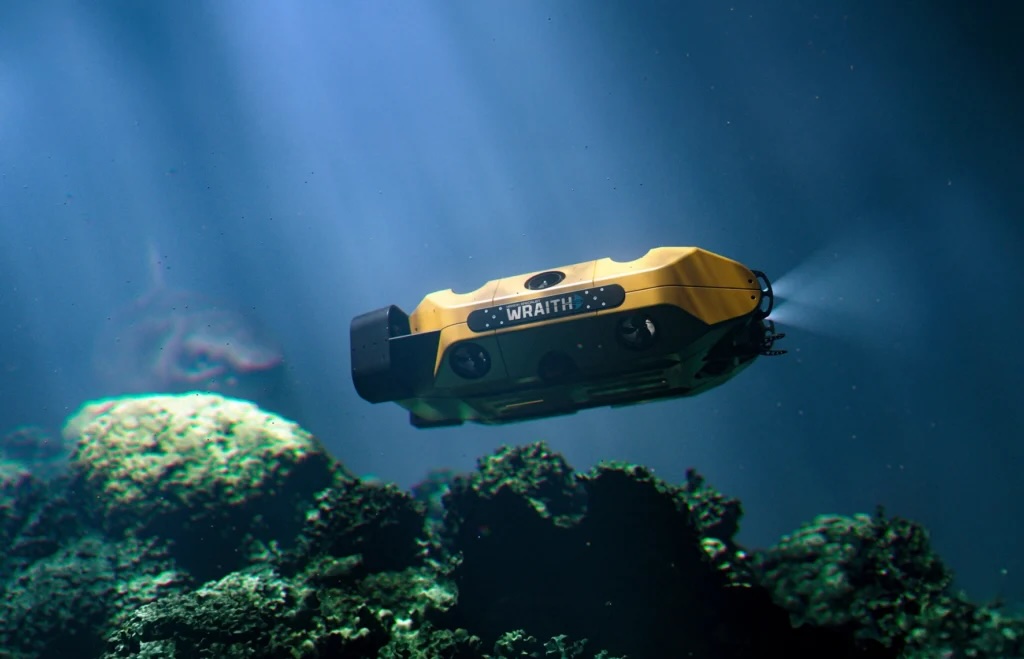
Built around an open-architecture design, the platform supports rapid field reconfiguration and integration of third-party payloads, including advanced sensors and manipulation tools. With future iterations planned to expand depth rating, payload capacity, and endurance, the Wraith reflects an emphasis on agility, modularity, and mission flexibility across defense, scientific, and inspection applications.
Taken together, the most-read stories on OST illustrate how ocean technologies are evolving to meet increasingly complex operational, environmental, and security demands. The articles underscore a continued focus on precision engineering, integrated data workflows, and adaptable systems that support safer operations, more informed decision-making, and sustainable use of the marine environment.