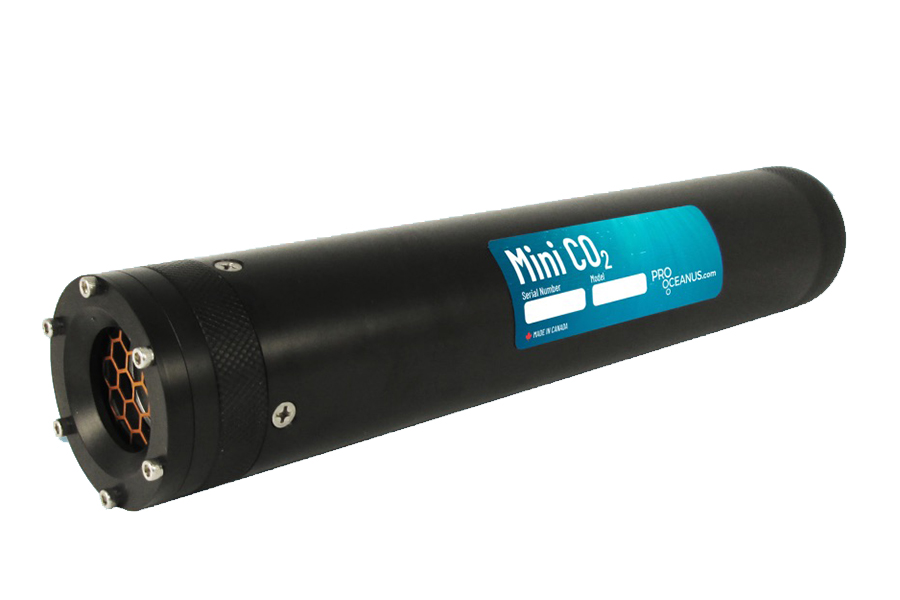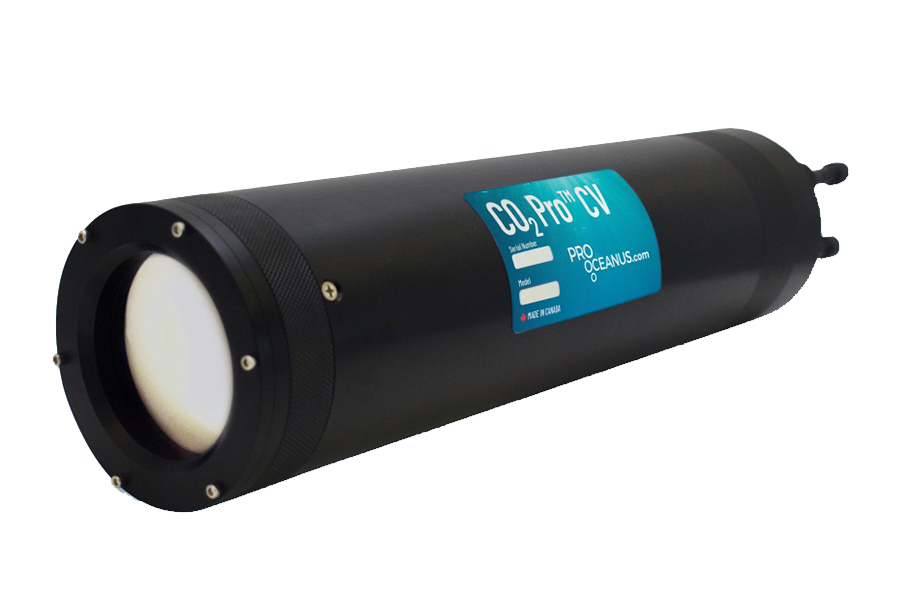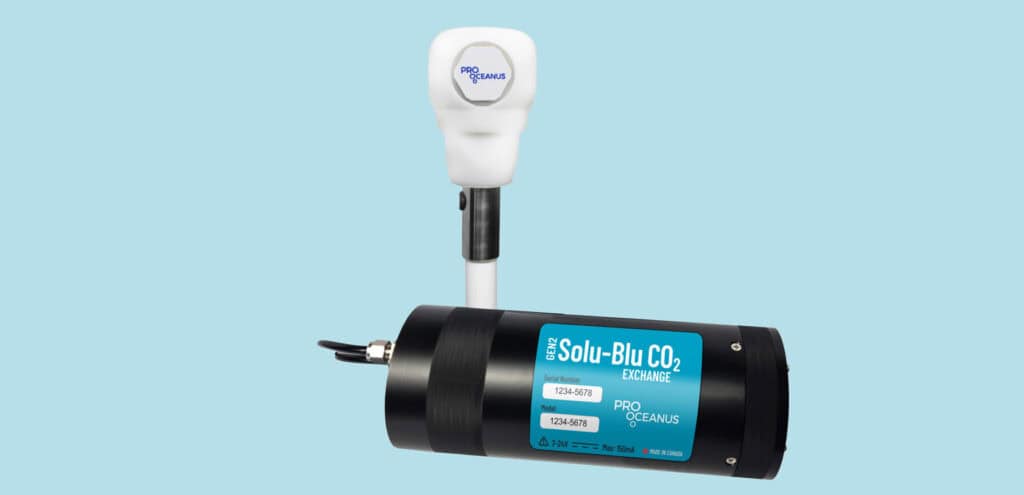
Pro-Oceanus Systems provides a low cost, rugged, and reliable methane sensor designed for oil and gas applications in marine environments.
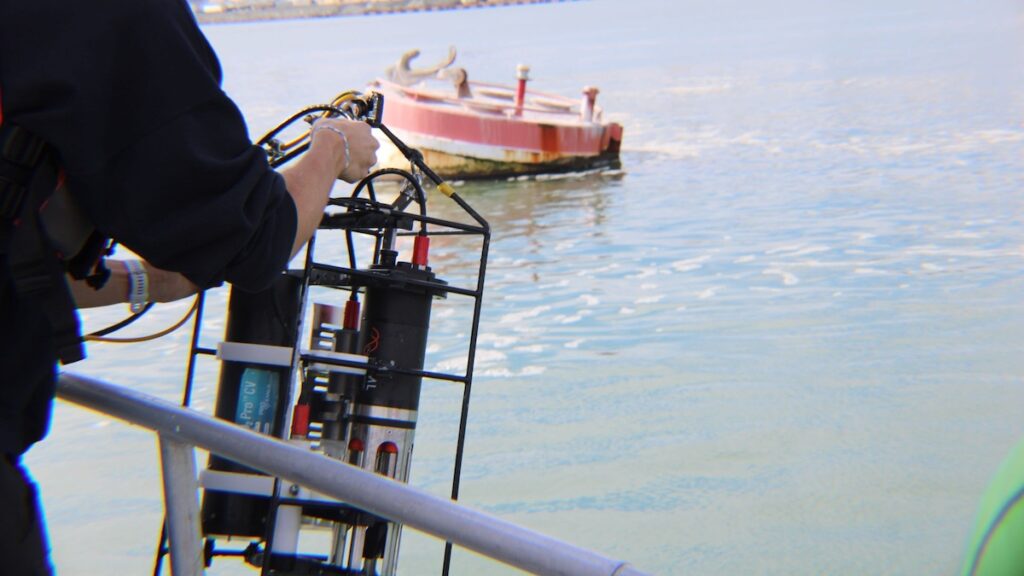
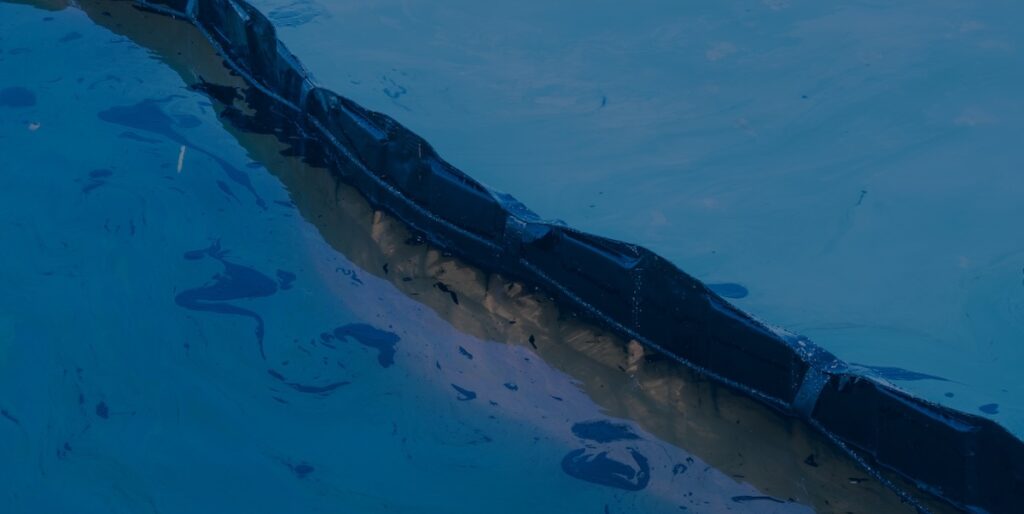
The sensor can be incorporated into drifters to follow oil spills, detect gas leaks from underwater pipelines, and identify natural seeps.
Mini CH4
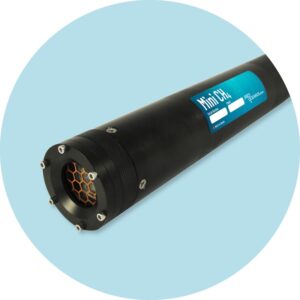 Pro-Oceanus Systems’ Mini CH4 is a compact methane sensor suited for down-well operations. It can function as a self-contained, battery-powered unit or be connected to a surface power supply. The system operates at depths of 1000 meters or more and within a temperature range of 0 to 40 °C.
The Mini CH4 uses infrared detection to measure the partial pressure of CH4 gas dissolved in liquids. Conversion to dissolved methane concentration is achieved using known temperature and salinity values.
Oil spill detection is commonly carried out using fluorescence techniques. However, this method requires multiple calibrations performed by highly trained technical personnel to obtain accurate measurements. Hydrocarbons released into the ocean consist of both volatile components, such as methane and ethane, and non-volatile compounds made up of larger carbon-hydrogen molecules. Methane, as a component of hydrocarbons and the primary constituent of natural gas, is used to determine several key factors:
- Pipeline leaks
- Well blow-out spills
- Dispersion of hydrocarbons due to ocean currents
- Bacterial decay of hydrocarbon substances after release
- Estimates of leak or spill volumes with knowledge of the methane-to-oil ratio