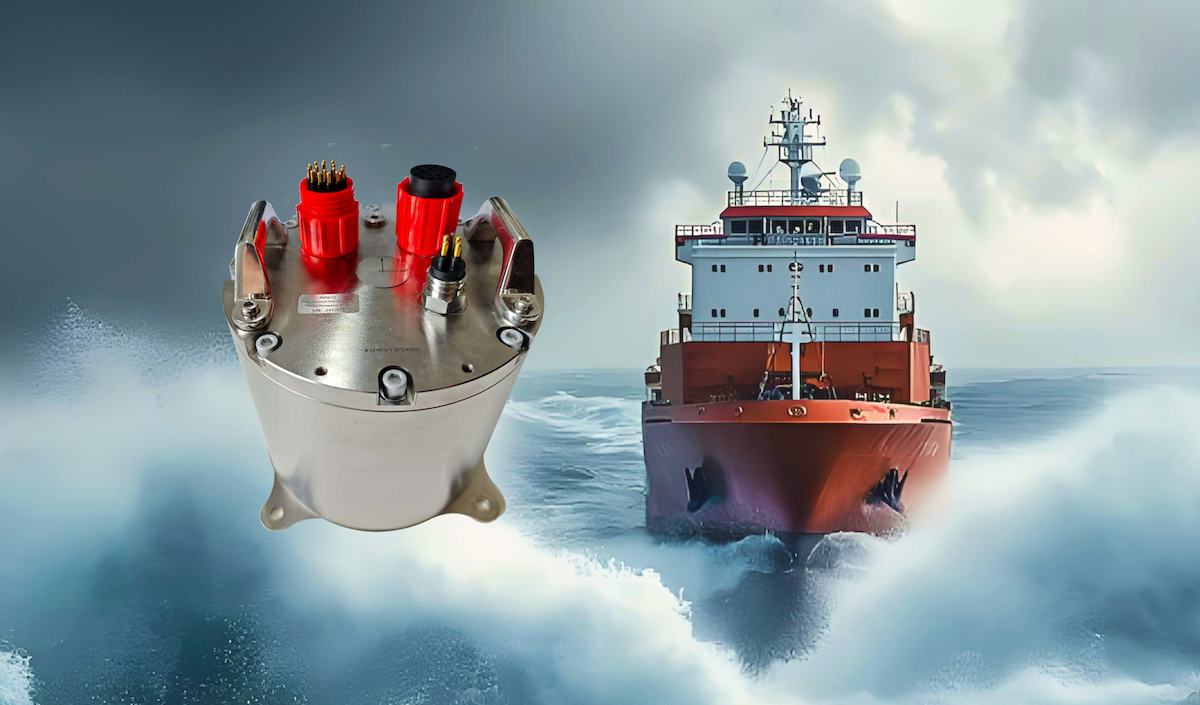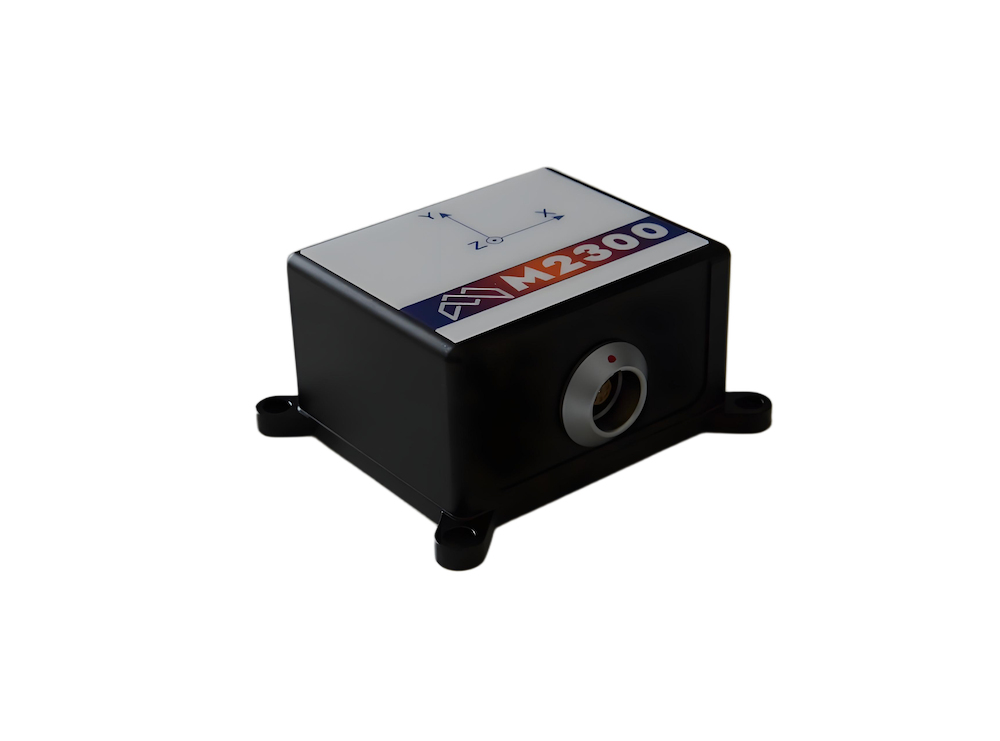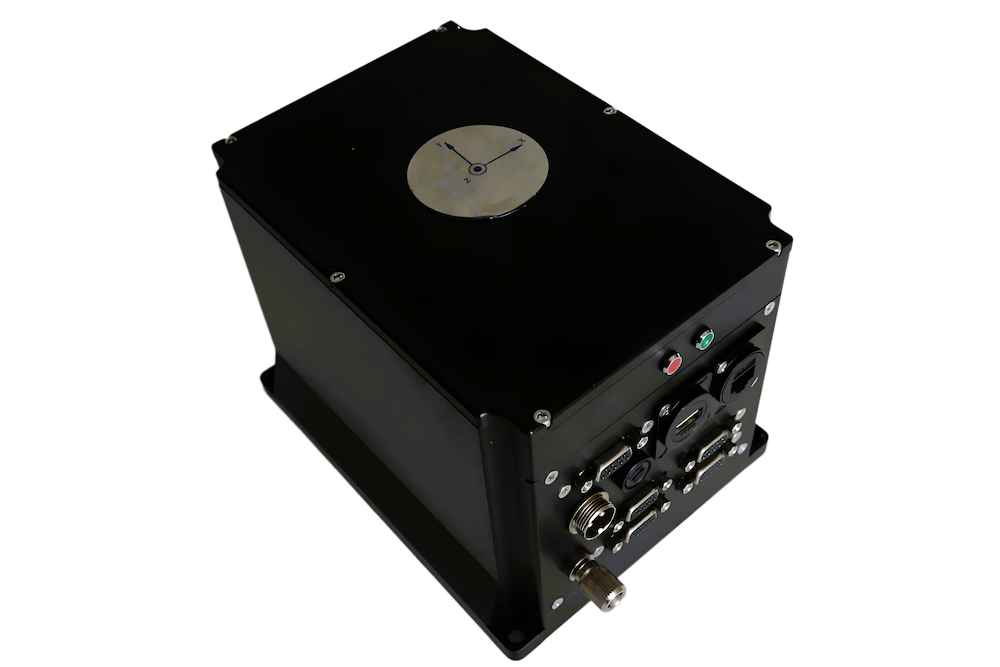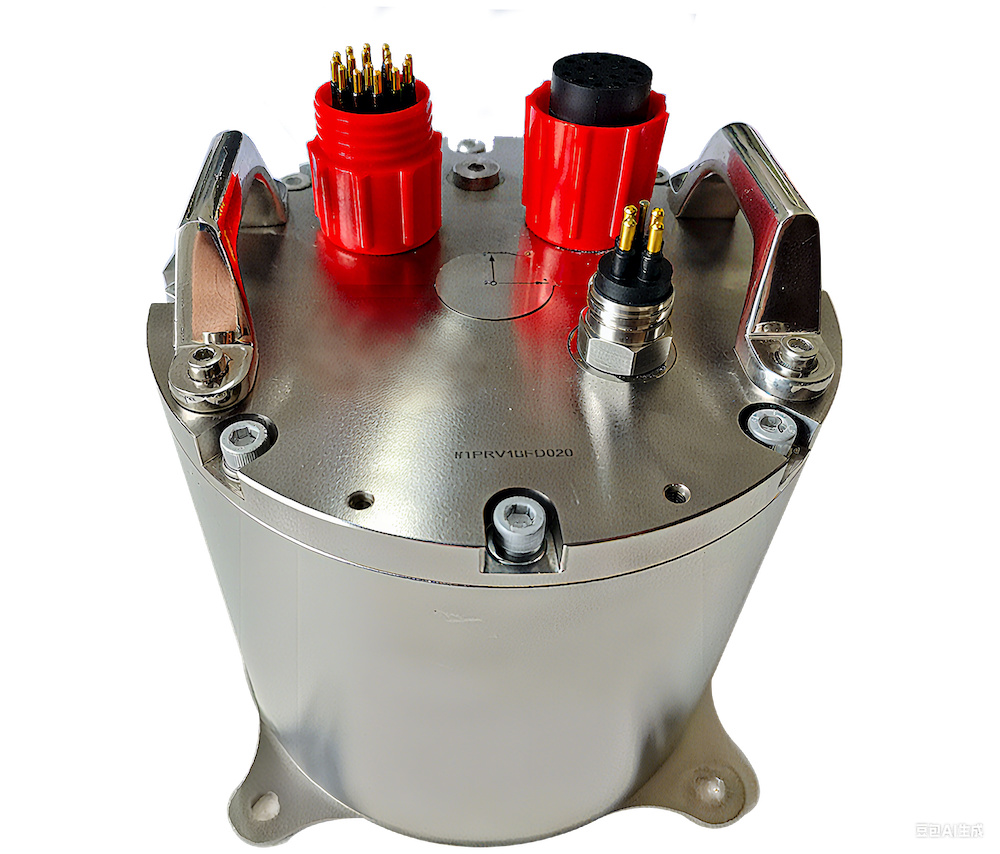

Micro-Magic, a developer of marine-grade inertial sensing systems, outlines the NF1000 MEMS northfinder and its role in enabling accurate measurement for oil and gas directional drilling applications.
Directional drilling requires accurate determination of three key parameters: inclination angle, azimuth, and tool face angle. Inclination defines the degree of borehole deviation from vertical, azimuth specifies the geographic direction of the borehole, and tool face angle describes the orientation of the directional tool. Minor inaccuracies in these values can accumulate with increasing depth, potentially leading to substantial trajectory deviation, financial loss, or safety concerns.
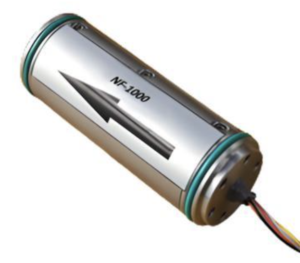
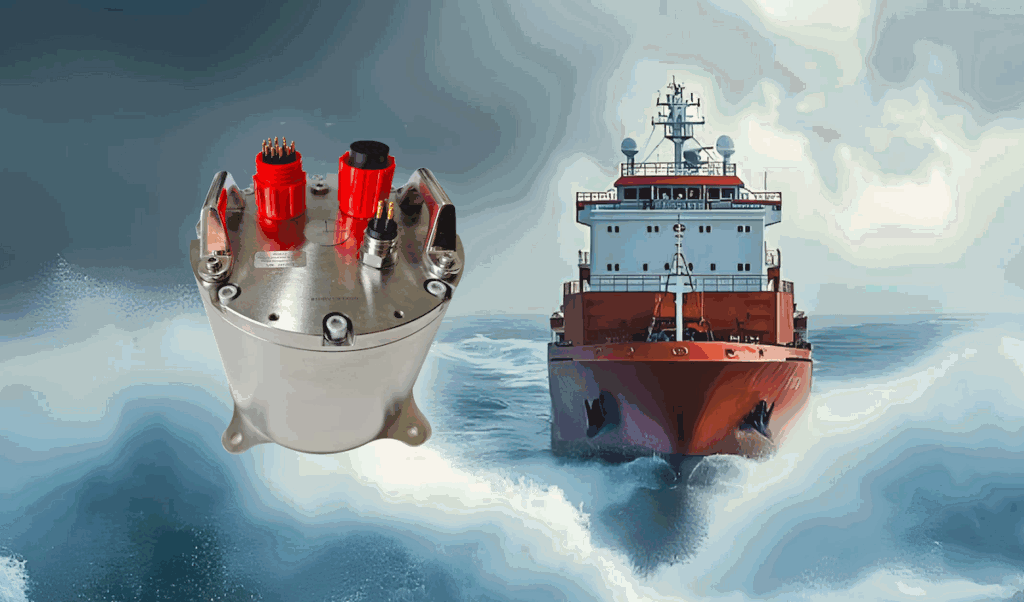
NF1000 MEMS northfinder.
The NF1000 MEMS northfinder serves as a solution to this challenge, providing accurate measurement while maintaining a compact size, low cost, and stable performance in extreme underground environments.
The system incorporates high-performance MEMS gyroscopes and accelerometers, supported by full temperature calibration across a range of -45℃ to +120℃. This allows the device to maintain consistent output in extreme underground environments. The northfinding accuracy reaches 1°secL, where L represents latitude, and horizontal attitude accuracy is better than 0.15°, meeting the precision demands of directional drilling operations.
The NF1000 is also designed to reduce integration challenges commonly associated with traditional northfinding equipment. With dimensions of Φ31.8 mm × 85 mm and a weight of less than 400 g, it can be installed within confined spaces such as drill rods and tunneling machinery. This reduces installation barriers and renovation costs.
In directional drilling, the NF1000 is firmly installed in the measuring short section of the downhole drilling tool assembly. If there is a fixed angle between the X-axis of the NF1000 and the direction of the drill bit, the system performs coordinate axis conversion. This ensures that the output wellbore inclination angle and azimuth angle fully correspond to the true posture of the directional tool.
During the drilling process, a built-in three-axis MEMS gyroscope continuously senses angular velocity, while a three-axis accelerometer senses the gravitational acceleration component. Real-time calculation of three key data points is performed through internal navigation algorithms.
The well inclination angle is calculated within a range of 0° to 180°, enabling identification of vertical, inclined, or horizontal wellbore conditions. Azimuth is defined as the clockwise angle from true north to the horizontal projection of the wellbore, establishing the drilling direction in the horizontal plane. The tool face angle is divided into gravity tool face and gyroscope tool face, and is crucial for directional tilting and adjusting wellbore trajectories in magnetic interference environments.
In directional drilling in oil and gas fields, the NF1000 provides precise and reliable guidance, supporting accurate wellbore positioning in complex underground environments.