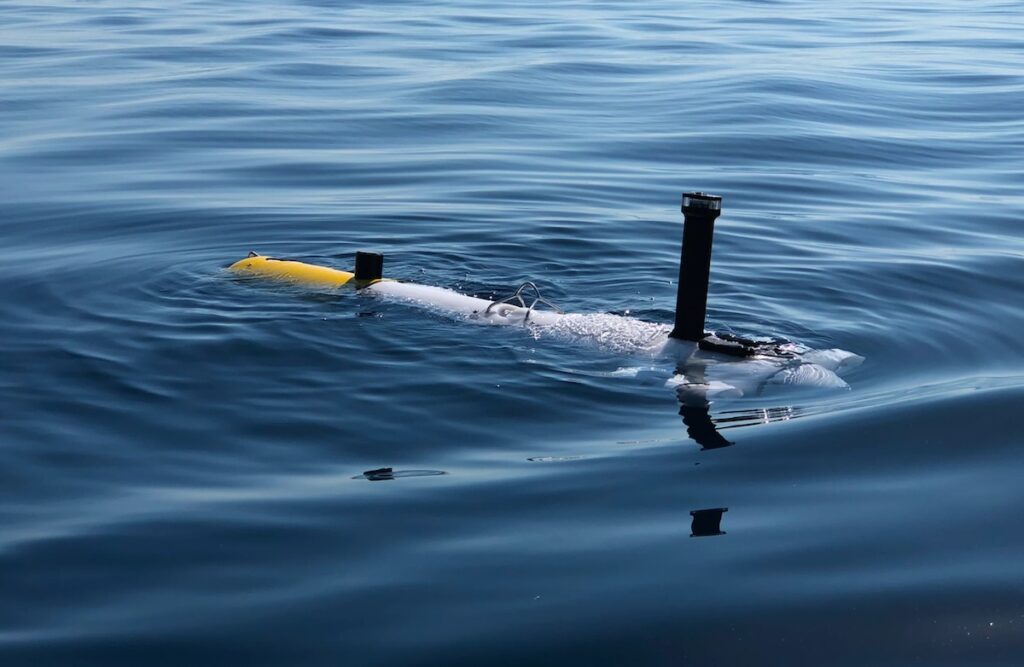




IQUA Robotics, a developer of underwater exploration, mapping and inspection solutions, discusses its participation in REPMUS25, where its SPARUS II Unmanned Underwater Vehicle (UUV) conducted Mine Countermeasures (MCM) and Critical Underwater Infrastructure (CUI) missions off Lisbon’s southern coast. Read more >>
REPMUS, the Robotic Experimentation and Prototyping using Maritime Uncrewed Systems, was hosted by the Portuguese Navy in Lisbon. The exercise brought together multiple NATO countries to test underwater technologies in realistic maritime scenarios.
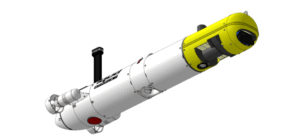
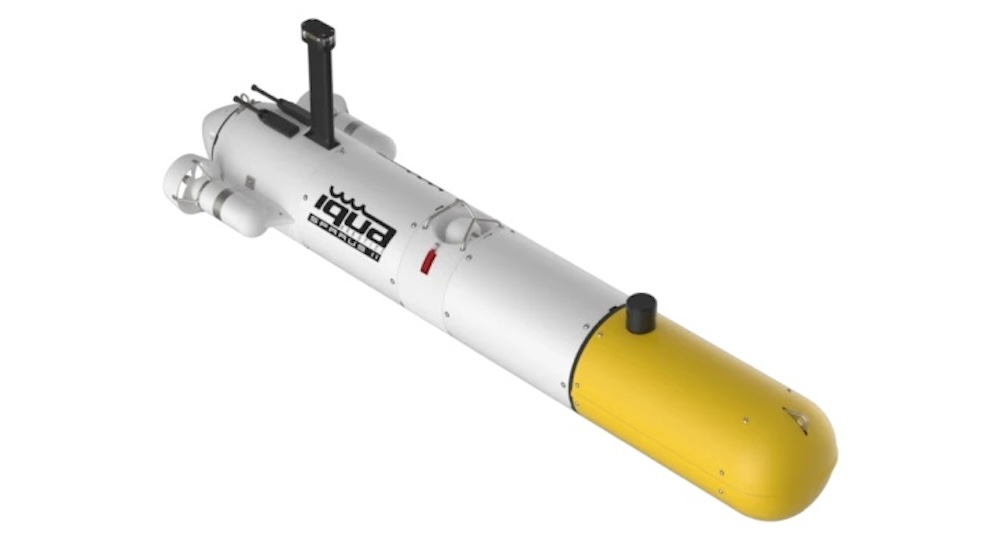
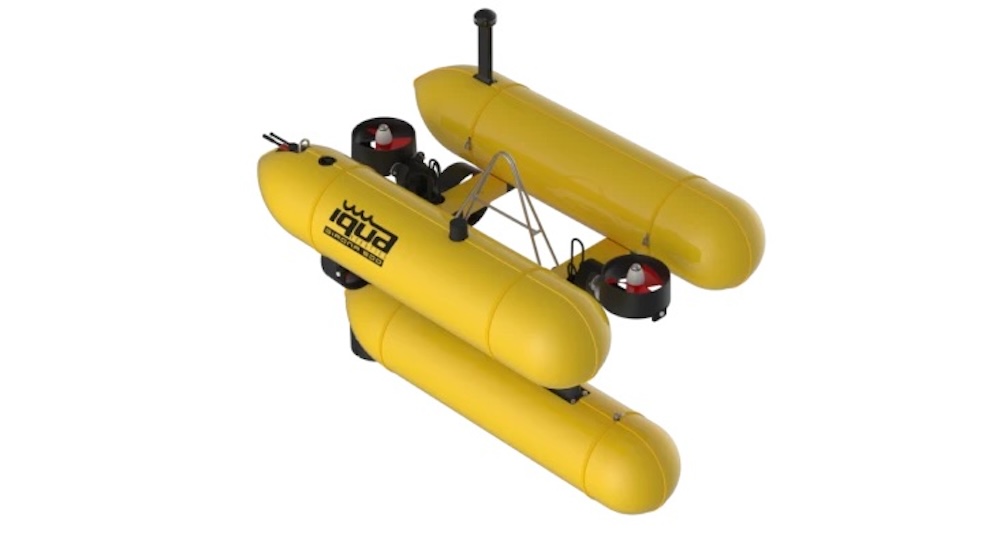
Render of SPARUS II UUV configuration for REPMUS25.
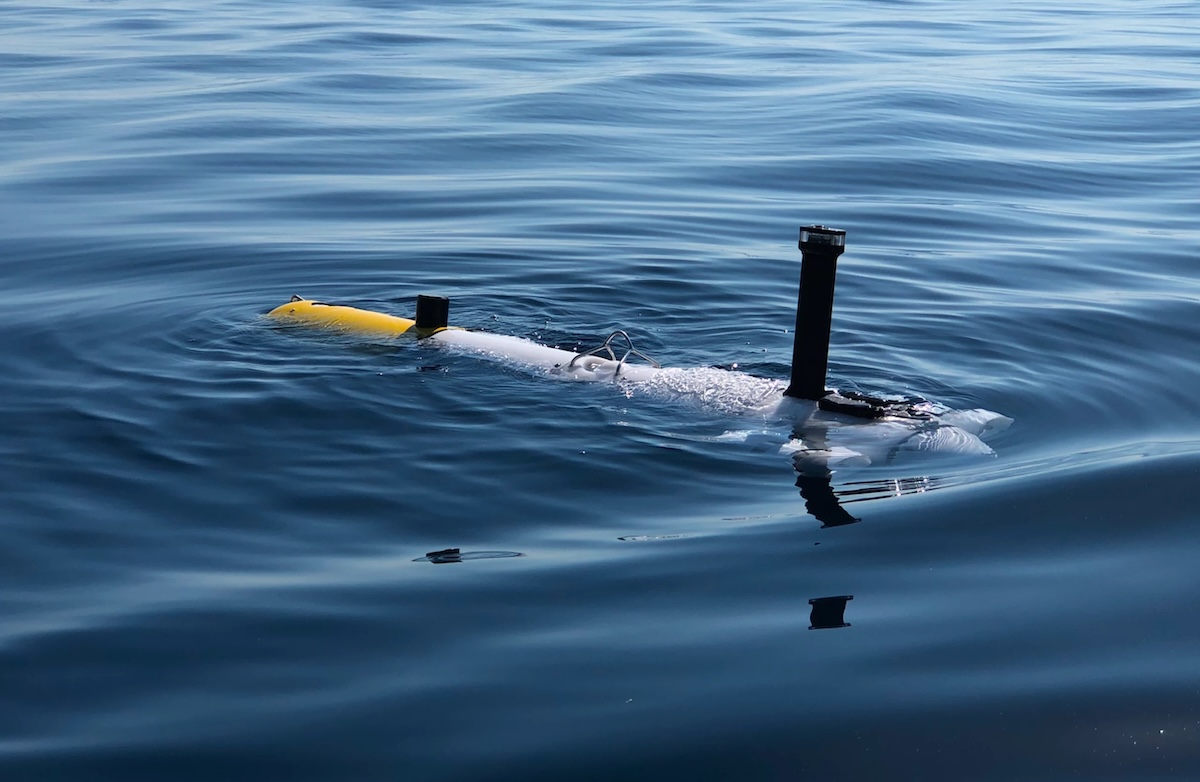
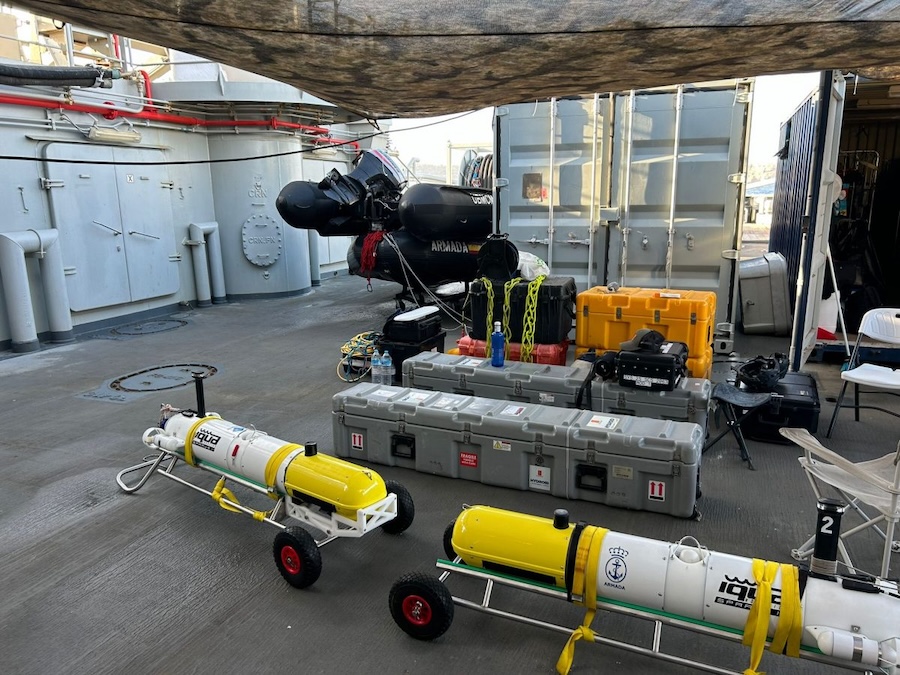
Invited by the Spanish Navy, IQUA deployed its SPARUS II UUV in MCM and CUI exercises, collaborating with the Spanish Navy, US Navy, and Thales Group to test interoperability under STANAG 4817.
SPARUS II was equipped with a Forward-Looking Sonar (FLS) from Blueprint Subsea, a Multibeam Echosounder (MBES) from Norbit, and a vision system developed by IQUA Robotics.
Key capabilities demonstrated included automatic target detection on low-frequency FLS images, real-time planning of reacquisition trajectories, multimodal contact mapping, onboard generation of optical maps, and semi-automatic APP-11 report generation.
Mine Countermeasures
MCM operations are essential for the safety of both military and civilian maritime navigation, enabling the detection, classification, and neutralization of underwater threats. As mine designs become more complex,autonomous vehicles with multimodal sensors and intelligent algorithms provide faster, more accurate, and more effective MCM capabilities.
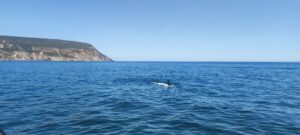
SPARUS II conducted surveys in designated naval mine warfare areas. The vehicle detected potential contacts, replanned trajectories to inspect them with optical camera images, high-frequency FLS, and multibeam sonar profiles, and resumed scanning on the predefined path, enabling full identification of targets by mission end.
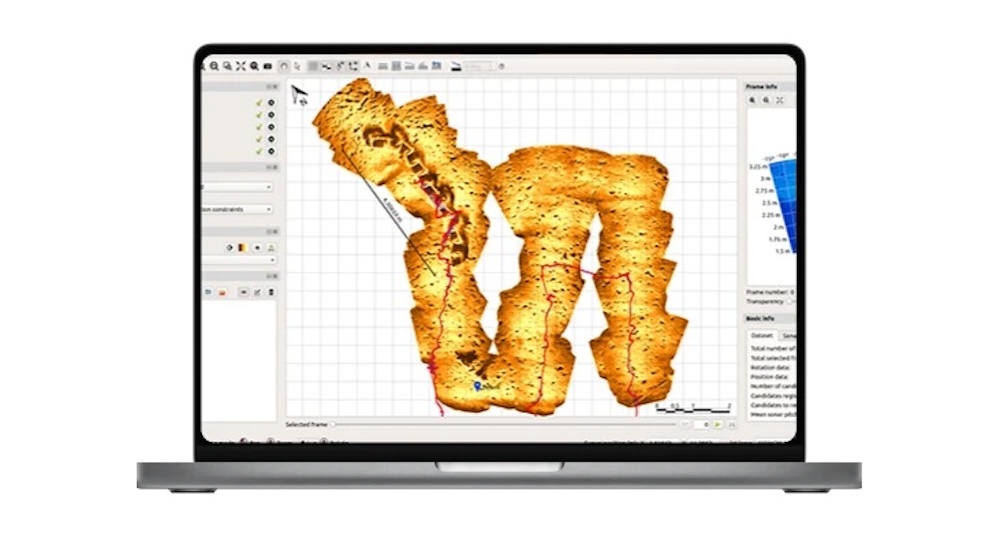
Onboard optical map generation allowed rapid review of inspected areas immediately once the vehicle surfaced, allowing potential contacts to be confirmed instantly without reviewing all inspection images.
Critical Underwater Infrastructure
Monitoring underwater critical infrastructure like subsea cables, pipelines, and energy systems is vital for security and economic stability, but their remote locations make them vulnerable. Autonomous vehicles, sensors, and real-time data analytics enable early detection of hazards, tampering or system failures, supporting rapid response and protection of these essential assets.
IQUA Robotics’ SPARUS II tested a new optical detector and tracker for locating, tracking, and mapping a cable in the designated area using camera images.
The UUV began a low-density ‘lawn-mower’ survey to cross and locate the cable. Upon detection, it automatically tracked the cable in both directions, following bends as needed, and generated a complete 280 m map of the cable using the collected data.
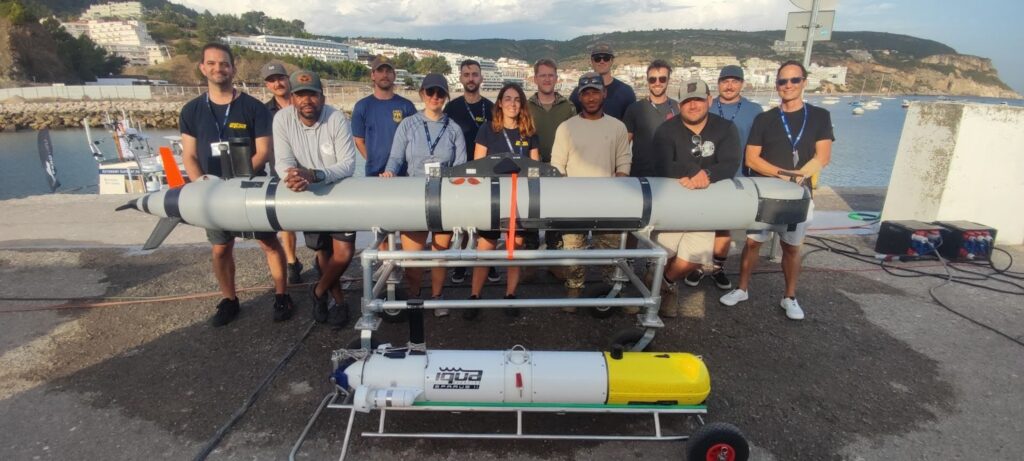
Collaboration between the teams of the US Navy and IQUA Robotics, with their corresponding assets REMUS and SPARUS UUVs.
STANAG 4817 Interoperability
STANAG 4817 provides a common framework for NATO to Command and Control (C2) unmanned aerial, surface, and underwater vehicles (UxV), enabling coordinated operations, data sharing, and improved interoperability in complex multinational missions.
During REPMUS25, SPARUS II was upgraded to the latest STANAG 4817 protocol specification, enabling status reporting and tasking by third-party assets. STANAG 4817 interoperability was validated in two tests with the US Navy and THALES Group, with SPARUS II tasked to reacquire and identify targets.
In the first, SPARUS II received tasks from a US MK18 REMUS scan, reacquiring two contacts and capturing optical images confirming their nature within 20 minutes while the REMUS continued scanning assigned areas.
In the second, using THALES’ M-Cube Mission Management system, SPARUS II was tasked mid-transit to reacquire four contacts in a specific area, automatically planning a trajectory to cover them all.
IQUA Robotics’ participation in REPMUS 2025 showcased SPARUS II’s advanced autonomous capabilities, multimodal sensing, and interoperability in complex maritime operations.
To find out more information, read ‘IQUA Robotics participation in REPMUS 2025’ here >>