


Robosys Automation is leading Project ORACLES, a consortium that includes ACUAOcean, MSEIS, Plymouth Marine Laboratories, and the Offshore Renewable Energy Catapult, to improve and accelerate the environmental consenting process for offshore wind farms (OWFs).
Project ORACLES will leverage advanced marine robotics, autonomous systems, and other digital ocean technologies to significantly reduce the approval timeline and help meet the UK’s target of 60GW of offshore wind capacity by 2030.
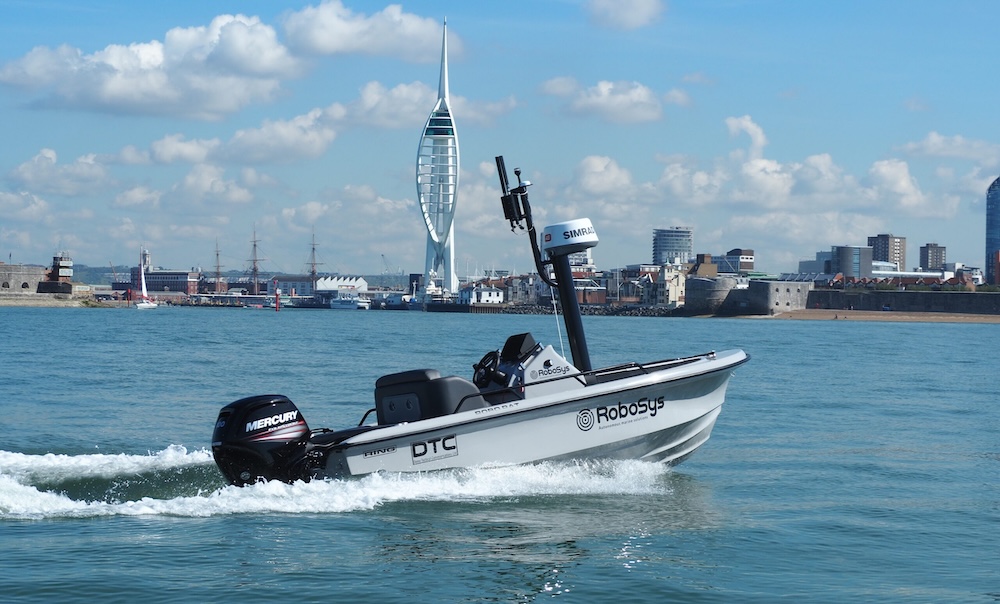
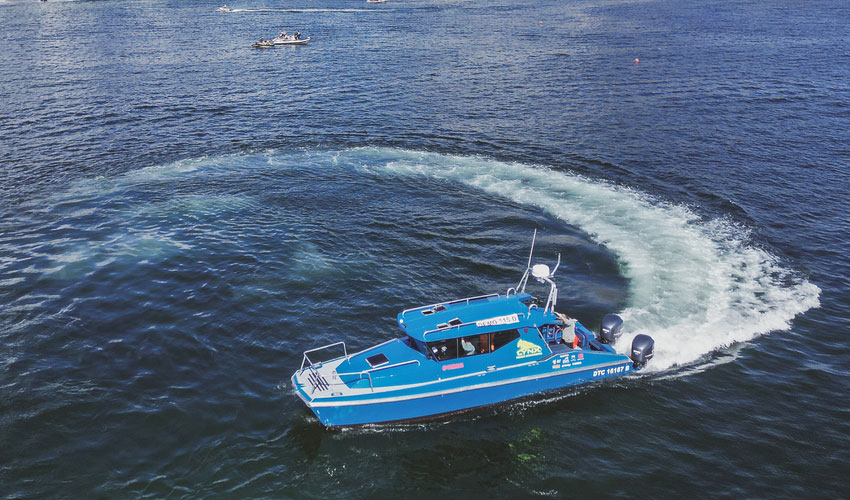
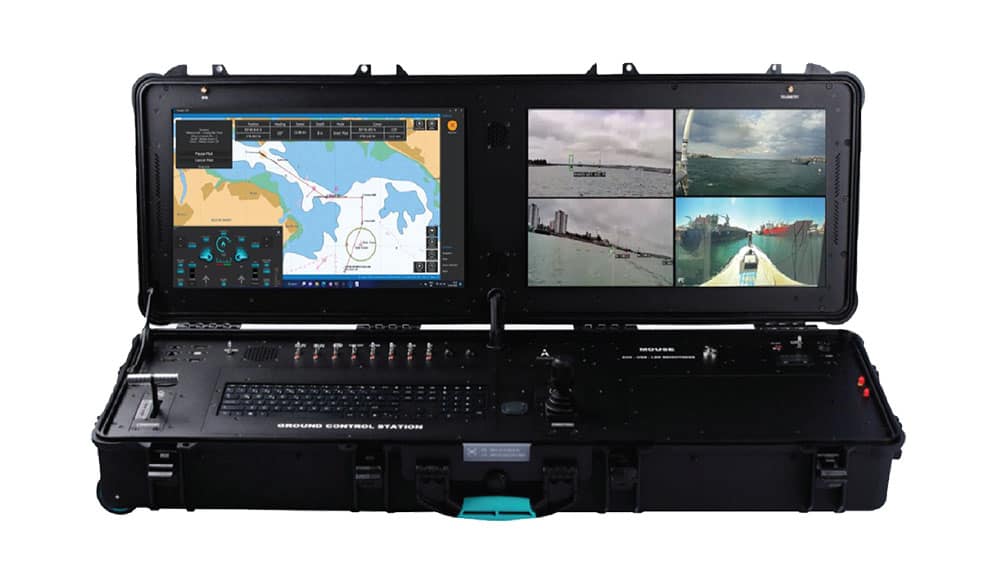
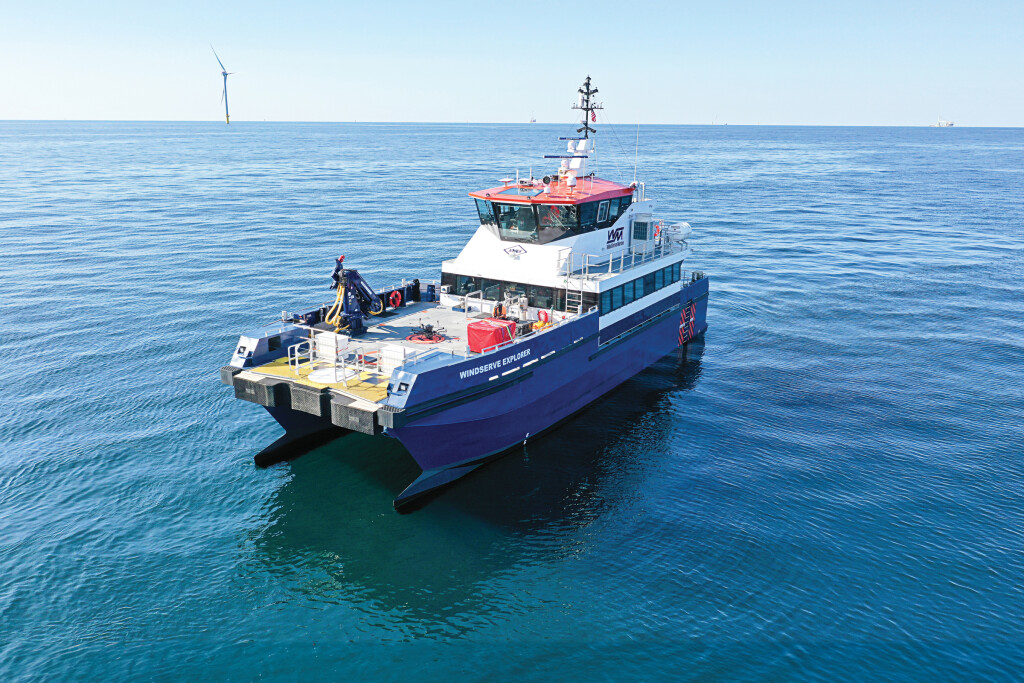
The project has a 14-month research phase, aimed at furthering the use of clean maritime solutions through different technological advancements. Robosys will enable multiple Unmanned Survey Vessels (USVs) to be operated from a single Remote Operations Center (ROC).
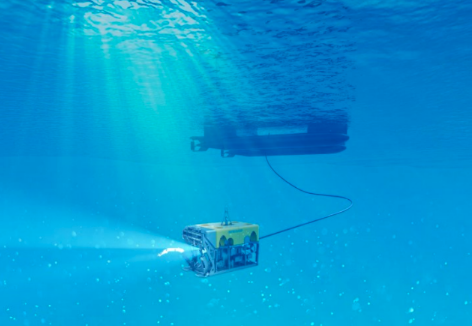
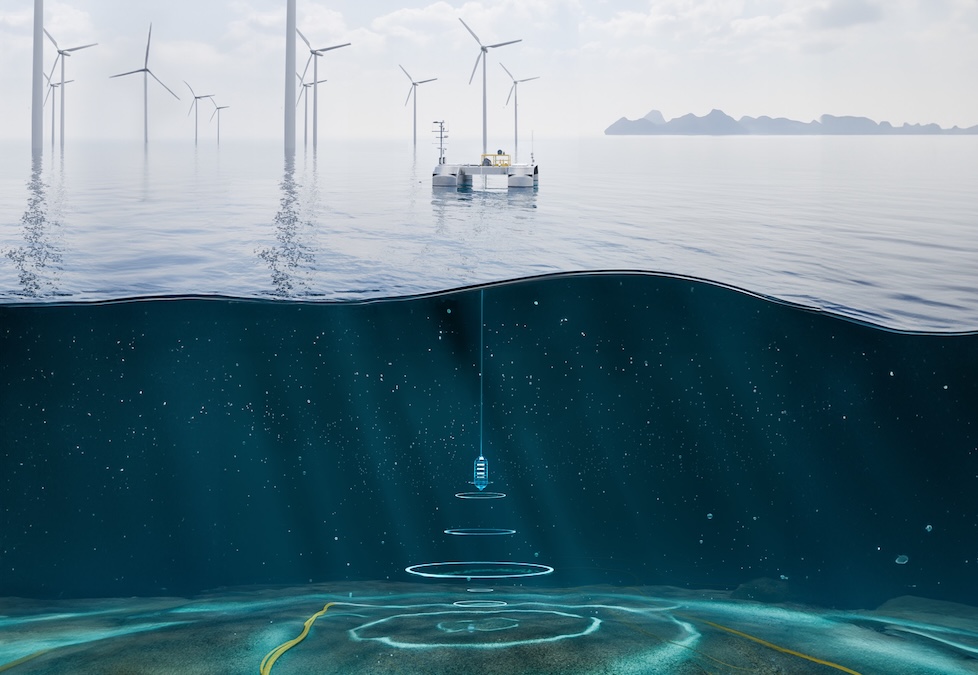
The consortium will develop a dynamic positioning system (DPS) and a beyond-visual-line-of-sight (BVLOS) winch profiling system for water column data collection, alongside integrating multiple sensors for enhanced output, and incorporating automated ballasting.
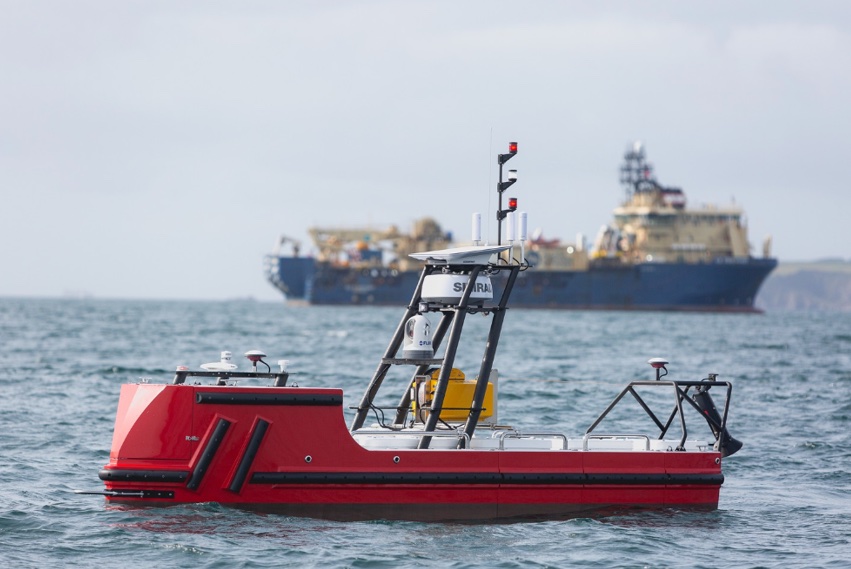
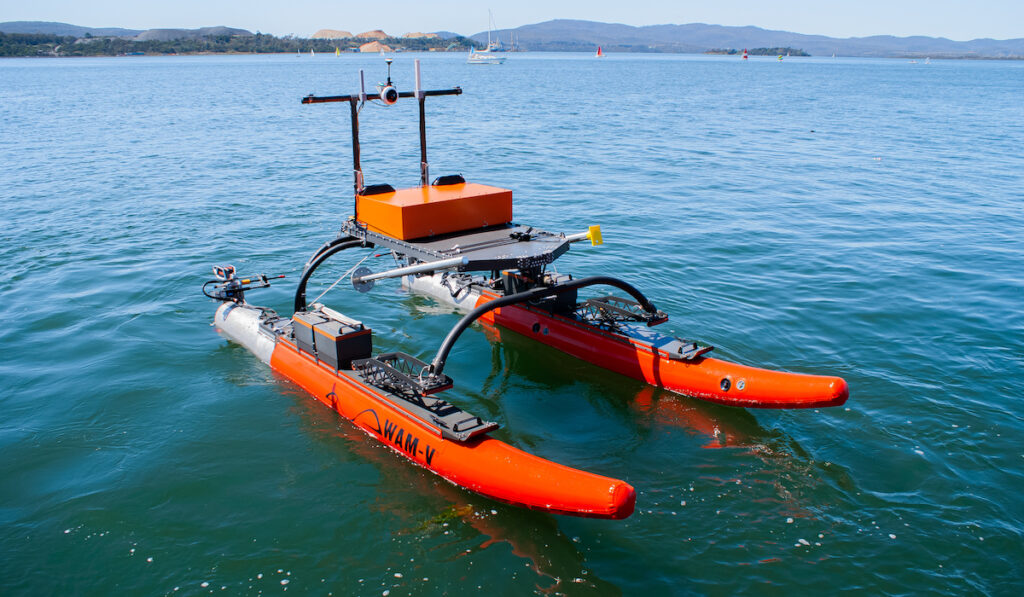
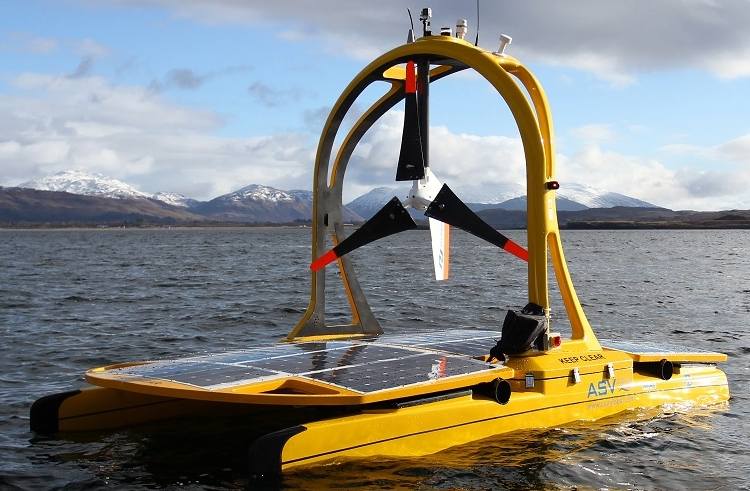
As part of this phase, ACUA’s USVs will also be fitted with environmental sensors, including eDNA, ADCP, and acoustics, to continuously collect real-time data on marine life, water quality, and environmental changes from one vessel.
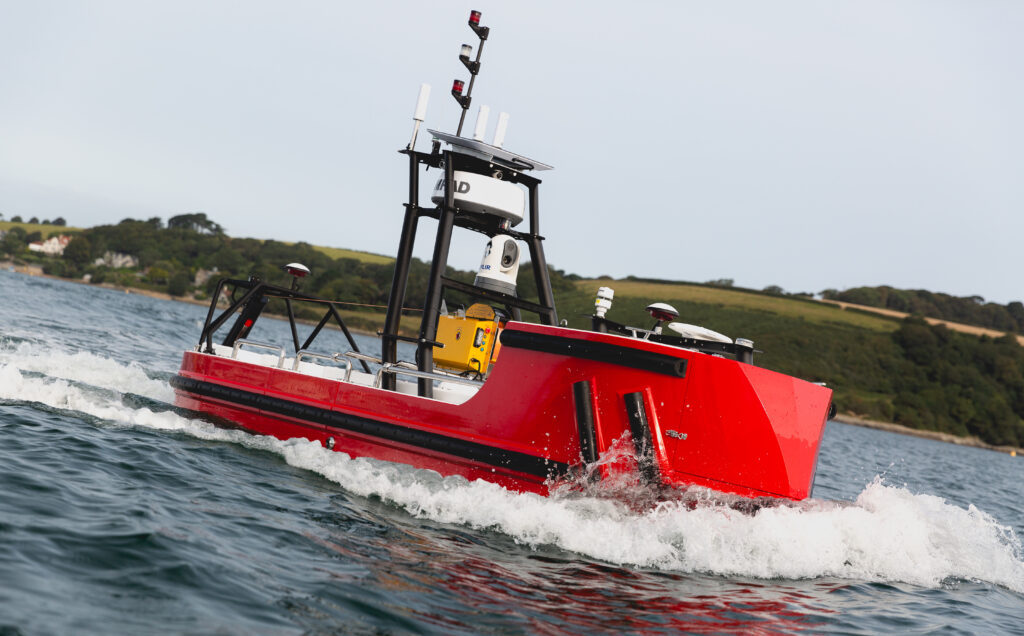
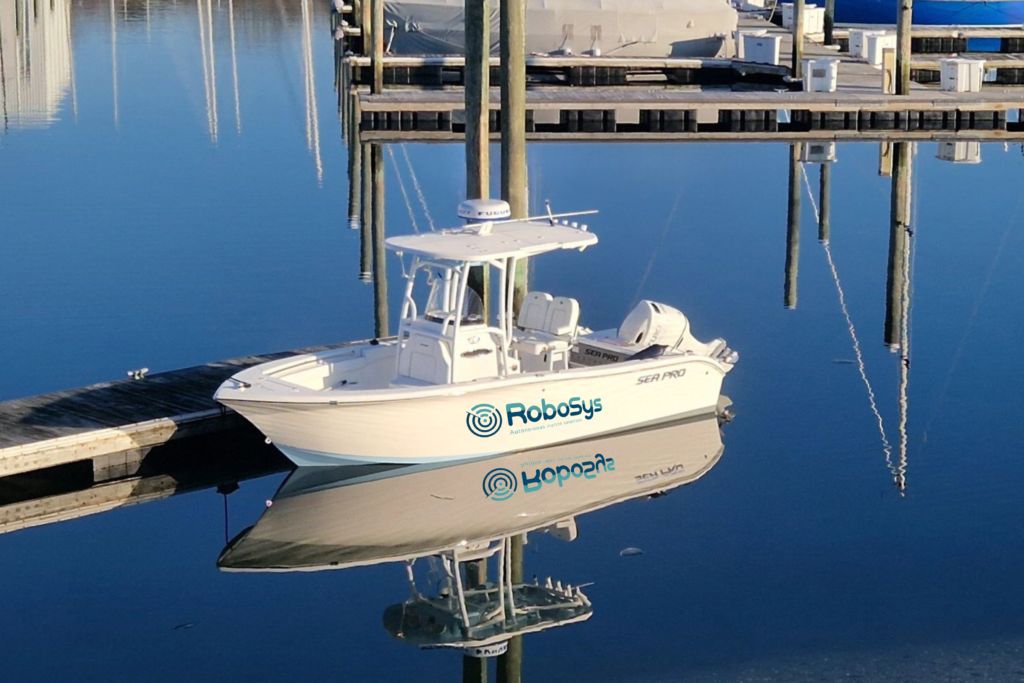
ACUA’s Pioneer USV specifically increases endurance and power to meet the demands of offshore data collection and complies with the Maritime and Coastguard Agency’s (MCA) Workboat Code 3 (WBC3) for operations beyond port and closed waters in the UK.
These innovations reduce the necessity of multiple crewed survey missions, decreasing CO2 emissions and environmental disturbance compared to traditional crewed vessels. This aligns well with the UK’s clean maritime goals.
Technological advancements will facilitate comprehensive and cohesive datasets through the launch and recovery of many environmental sensor payloads. This improves the accuracy, reliability, and efficiency of environmental assessments.
The deployment of significant payloads will also support USVs operating for extended periods in higher sea states, manage data more effectively, as well as reduce capital, environmental, and operational costs.
Nigel Lee, Project Lead and Robosys Automation’s CSO stated, “This ambitious project will revolutionise the environmental consenting process for offshore wind farms (OWFs) in the Celtic Sea and other areas across the UK. These technological innovations will reduce the need for crewed survey missions and accelerate data delivery, enabling a faster, more cost-effective consenting process.”
He added, “The project’s outcomes will also foster the growth of regional businesses, by opening new markets and supporting the advancement of technological capabilities such as ACUA’s Pioneer USV, and Robosys’ VOYAGER AI advanced maritime autonomy. It will further reinforce the region’s expertise in marine autonomy, clean maritime technologies, and digital ocean innovations to a worldwide stage.”
Project ORACLES’ transformation of environmental monitoring is crucial to overcoming challenges in current data collection at proposed OWF sites. The existing process is labor-intensive, with separate providers handling various aspects like bird monitoring and sea conditions. Manual data collection and shore-based analysis further slow decision-making.
The project was secured through the UK Research and Innovation (UKRI)’s Innovate UK Launchpad program, aligning with the UK Government’s Levelling Up plan. Project ORACLES will support the UK’s South West’s marine innovation cluster, promoting high-skilled jobs, aiding future skills, and contributing to economic growth.