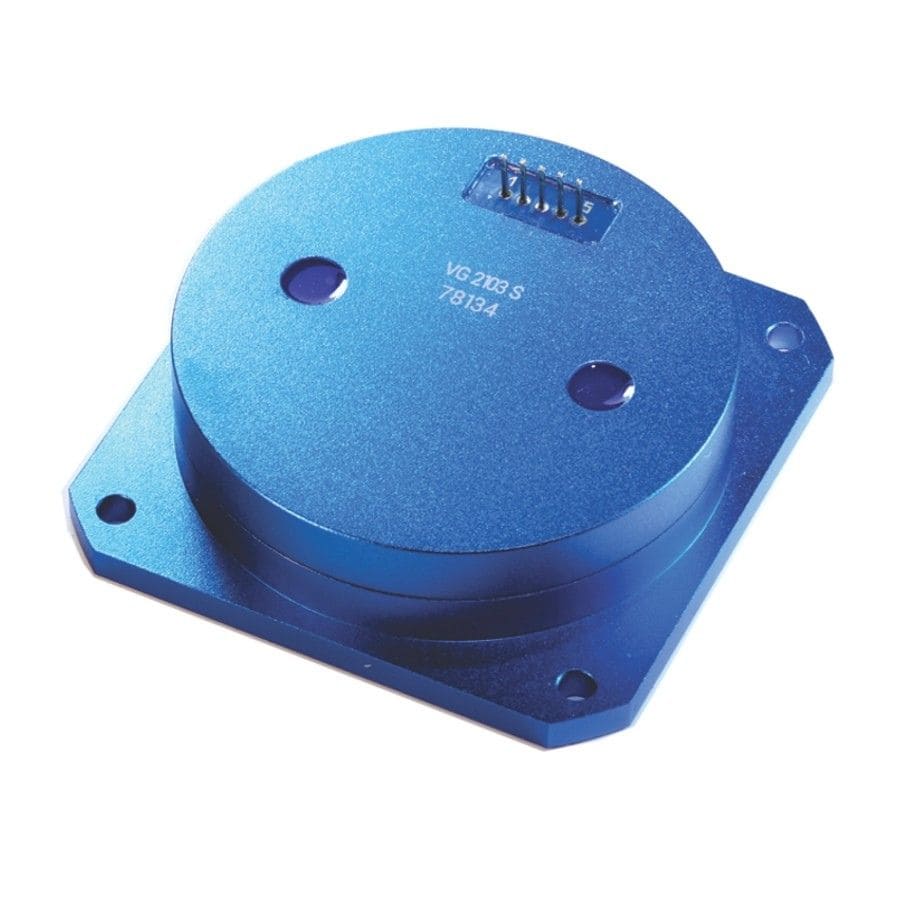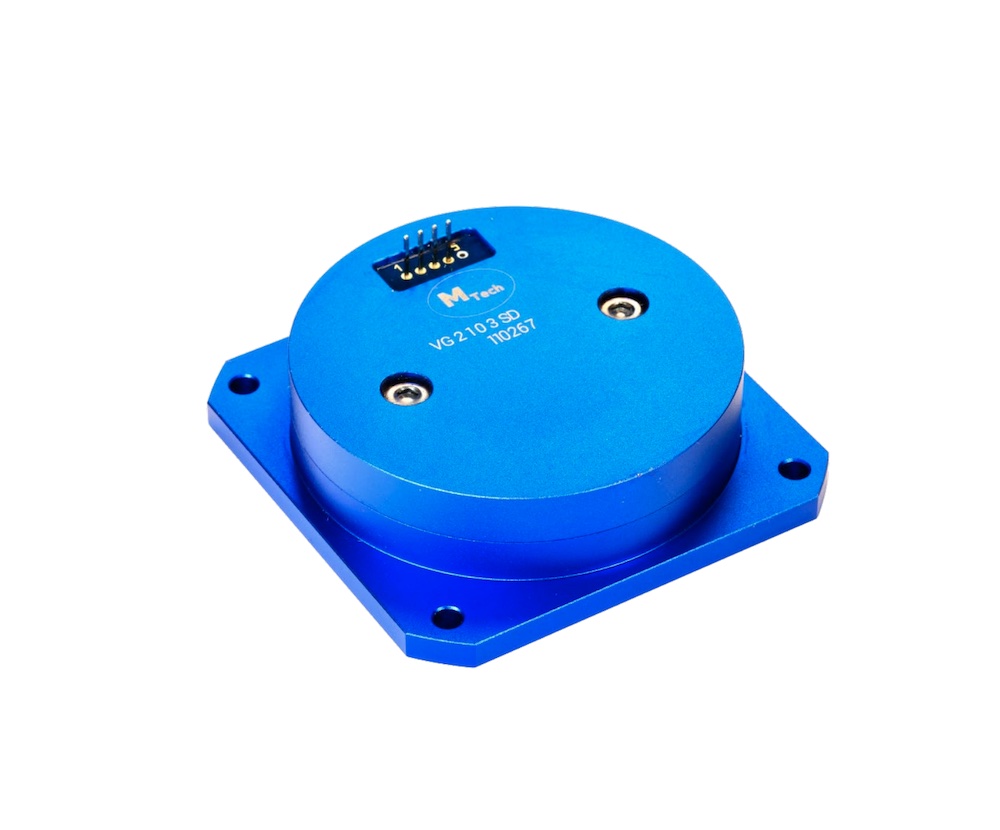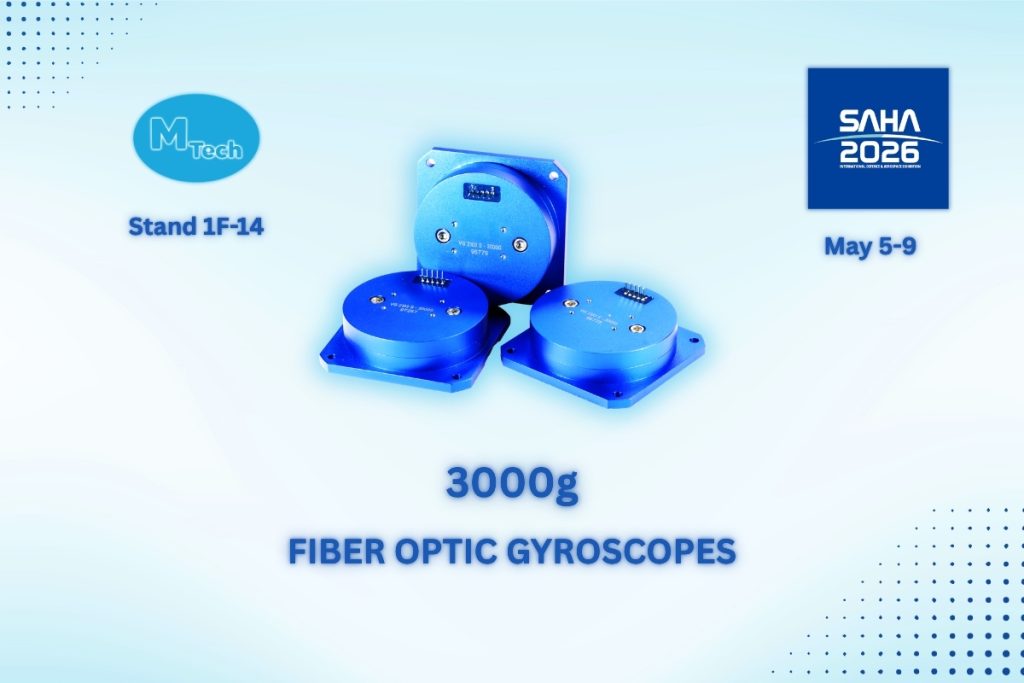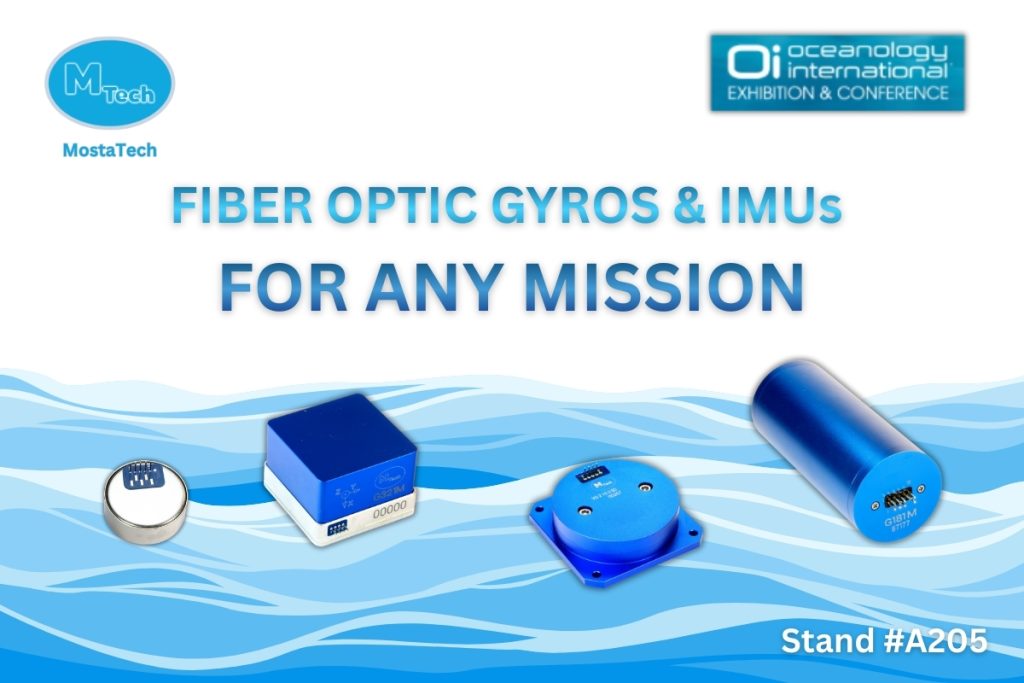

MostaTech has launched the VG2103SD, a digital-output Fiber-Optic Gyroscope (FOG) that expands on the proven VG2103S series, delivering enhanced precision, responsiveness, and system integration.

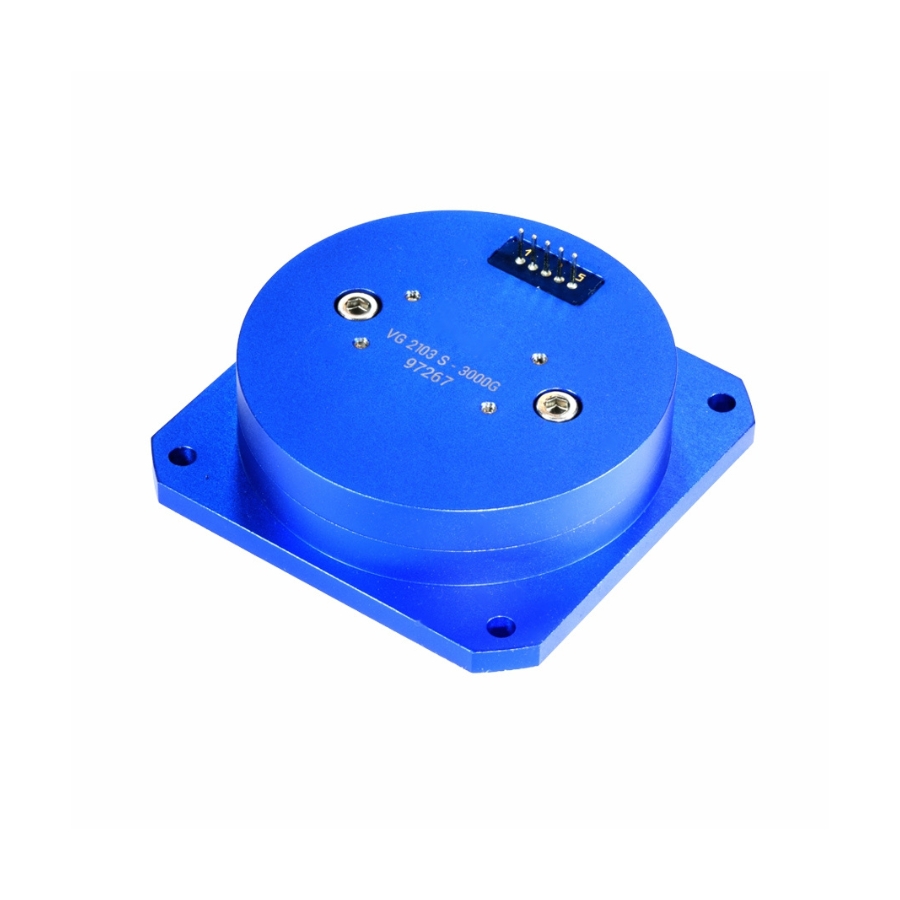
The new VG2103SD builds on the rugged, high-performance platform of the VG2103S and its high-shock variant, the VG2103S-3000. This new FOG combines the series’ proven optical architecture with a digital interface optimized for real-time platforms, while maintaining its size, durability, and precision.
The VG2103SD provides a digital output interface featuring 24-bit data over RS-422, with a data rate of up to 8 kHz. It offers bandwidth and noise improvements, achieving an angular random walk (ARW) as low as ~0.015°/√h and a dynamic range of up to ±400°/s.
The new VG2103SD model retains the mechanical package of the VG2103S, measuring 60 × 60 × 17 mm and using the same mounting footprint. Its environmental parameters also remain consistent, with vibration endurance up to 18 g RMS and a shock endurance of up to 350 g.
VG2103S Series Features & Capabilities
The original VG2103S series, which has been in production since 2021, was engineered for demanding applications such as flight control, platform stabilization, unmanned vehicles, and other inertial platforms that require both ruggedness and accuracy.
This series features a compact form factor, with a 60 × 60 × 17 mm aluminium-alloy housing and a weight of 80 g. It provides excellent performance, with a typical bias stability of ~1°/h and an angular random walk (ARW) of 0.02°/√h.
The gyroscopes are designed for rugged environments, capable of withstanding shocks up to 1200 g and vibration up to 18 g RMS. They also offer high temperature endurance, operating from -40°C to +70°C, with optional versions rated for operation up to +85°C or +125°C.
An additional benefit of the VG2103S series is its ITAR-free design, allowing for broader global deployment without export constraints.
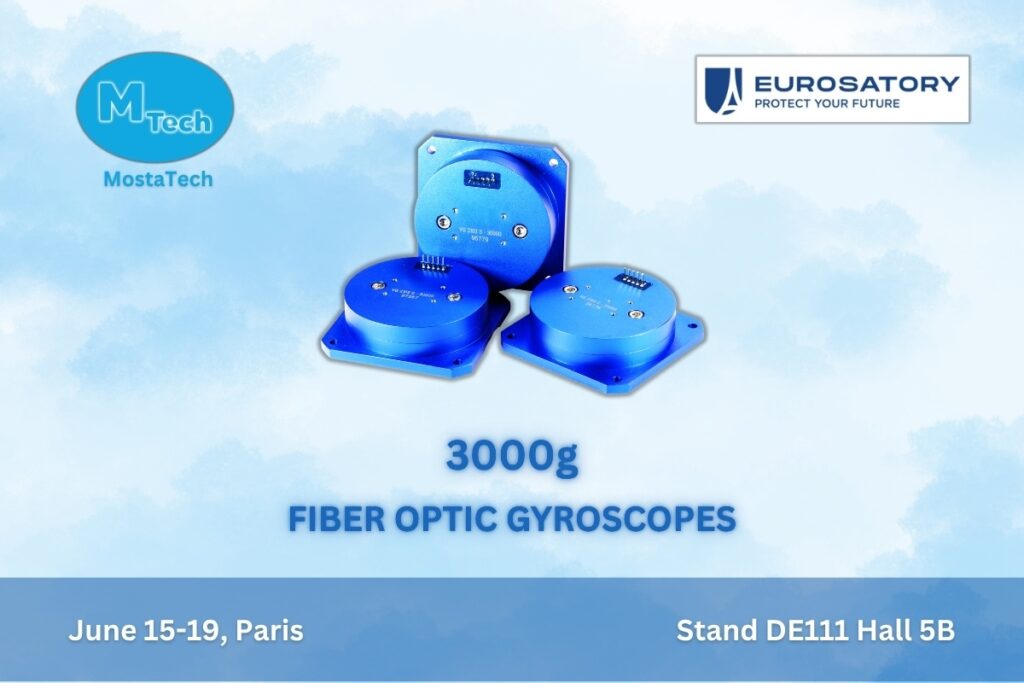
The VG2103S-3000 variant provides enhanced shock resistance of up to 3,000 g, a slightly increased weight of approximately 85 g, and an ARW of ~0.03°/√h, while maintaining the same footprint as the standard model.