The Global Sourcing Hub for Marine, Subsea & Offshore Technology
Discover cutting-edge solutions from leading global suppliers
April’s most-read stories on OST underscore a growing focus on performance in the field, with developments in AI, sensing, and long-duration autonomy shaping the next phase of subsea operations.
1. Artificial Intelligence Enhances Ship Hull Resistance Prediction
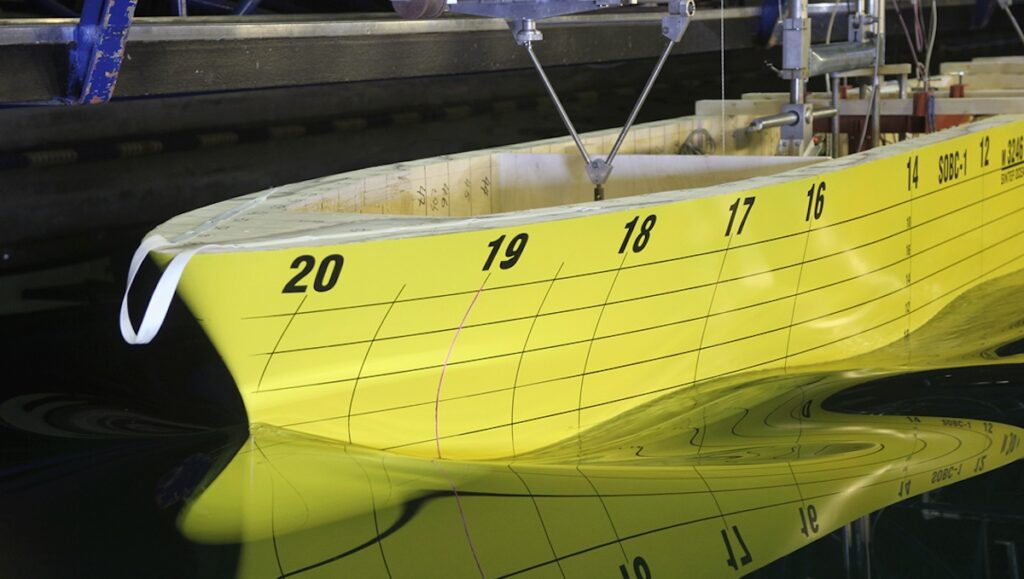
SINTEF Ocean is using Artificial Intelligence (AI) to enable faster and more accurate methods for calculating ship resistance. Platform Supply Vessels (PSVs), which transport supplies and equipment to offshore oil and gas platforms, rely heavily on hull efficiency. The fewer waves a hull generates as it moves through water, the lower the fuel consumption, emissions, and operating costs for ship owners.
2. Kraken Robotics Showcases KATFISH Sonar & LARS Integration on SEFINE USV

Kraken Robotics has successfully integrated and demonstrated its KATFISH towed synthetic aperture sonar and autonomous Launch and Recovery System (LARS) from SEFINE’s RD-22 USV, in coordination with Strategic Unmanned Systems Research Center (SEFINE SISAM). The demonstration, attended by several navies and government organizations, concentrated on rapid detection and classification of mine-like objects and critical underwater infrastructure.
3. Ocean Sonics Launches New Acoustic Monitoring Solutions at Oi26
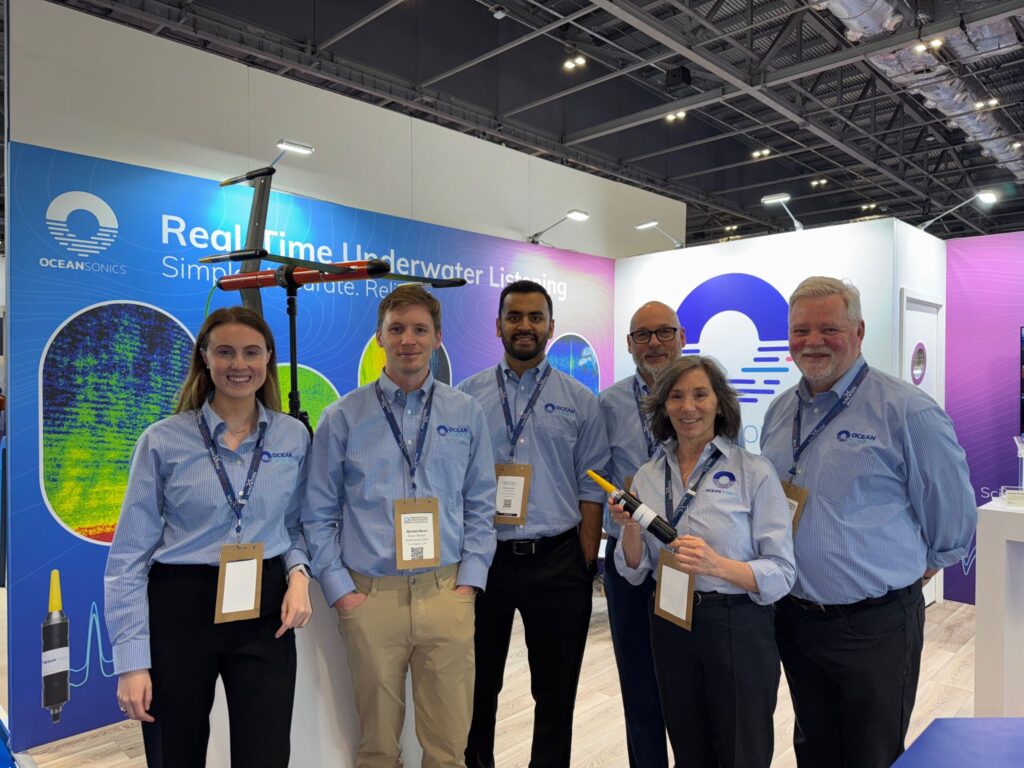
Ocean Sonics introduced two new innovations in underwater acoustic monitoring at Oceanology International 2026: the Impact plug-in software and the icListen Kayak hydrophone. Ocean Sonics’ presence at Oceanology International 2026 also marked a milestone, as the company showcased its expanded product portfolio from a dedicated booth. The company noted that growing global demand for its technologies and an expanding customer base contributed to the need for a larger presence at the event.
4. Elwave to Present Multi-Physics Sensing at Undersea Defense Technology
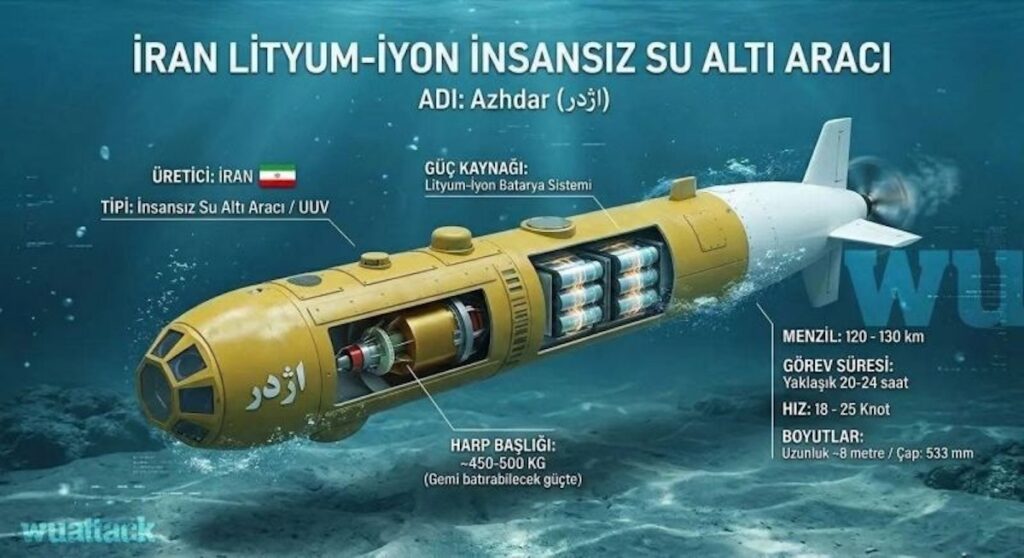
Gary Bagot, Sales Director at Elwave, will be presenting at Undersea Defence Technology (UDT) in London on April 14, discussing the transition of advanced sensing technologies into operational maritime capabilities. The maritime domain is facing a new generation of threats, including ultra-quiet submarines, kamikaze UUVs, and covert platforms designed to evade traditional acoustic detection. As acoustics approach their physical limits, multi-physics sensing is becoming essential for underwater operations.
5. Cellula Envoy AUV Surpasses 2,000 km Submerged Using Hydrogen Fuel Cells
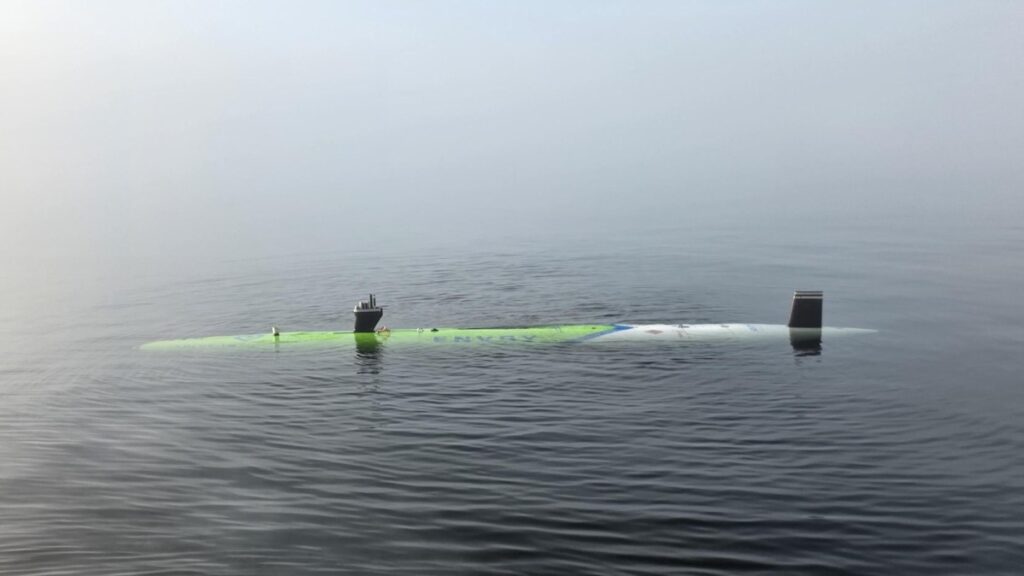
Cellula Robotics Ltd has completed a fully submerged endurance mission exceeding 2,000 km with its Envoy Autonomous Underwater Vehicle (AUV), powered by a hydrogen fuel cell system. The trial went beyond the AUV’s published performance specification and was carried out using an underwater operating profile designed to reflect real subsea activity. Rather than following a straight-line route, the mission included more than 4,000 turns and manoeuvres, each contributing to higher energy use than steady transit.