


Knight Optical, a developer of precision optics for underwater imaging and subsea equipment, explains the key considerations in selecting optical domes versus optical windows, highlighting how system configuration, environmental conditions, and wavelength requirements influence performance. Read more >>
While both components act as protective elements that transmit light, their structural differences mean they are not interchangeable, with each option affecting Field of View (FOV), durability, and optical performance in distinct ways.
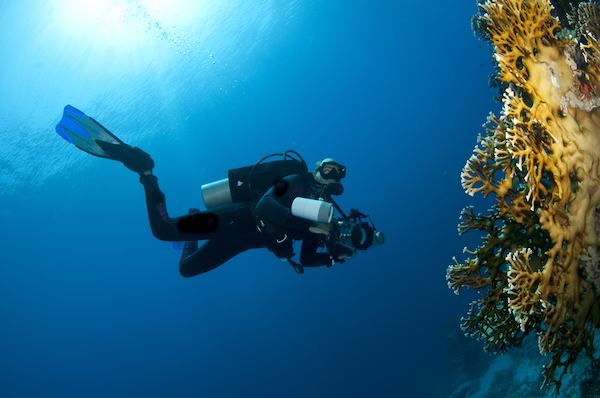
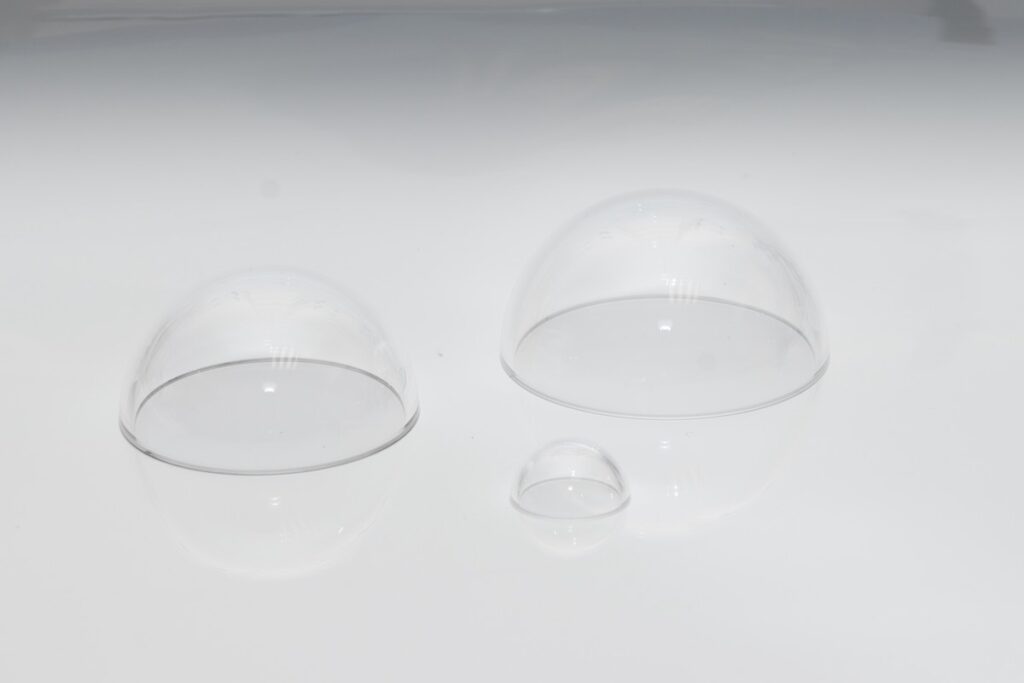
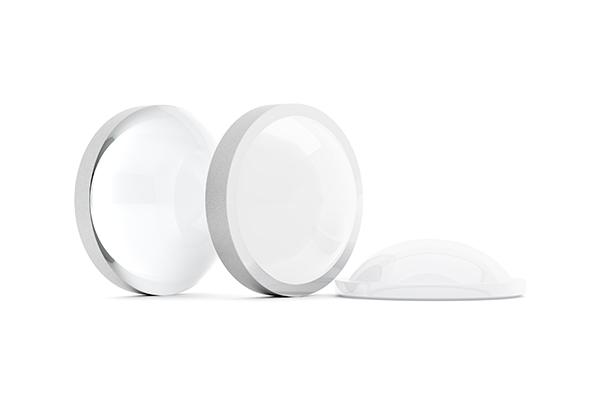
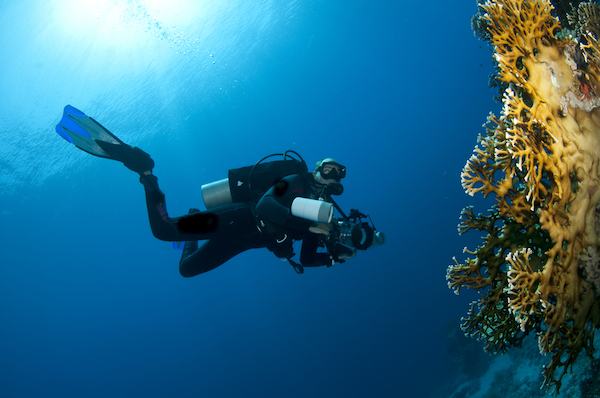
Optical domes, defined by their hemispherical shape, offer increased strength under pressure, making them well suited to subsea applications such as submersible vehicles and underwater imaging cameras used in marine research and infrastructure surveying.
Their geometry enables a wider FOV while helping to avoid disruption to the optical path, although curvature can introduce magnification effects. These properties also support use in other sectors, including surveillance, aerial navigation, and equipment protection in film and television production, particularly where wide-angle viewing or operation in demanding environments is required.
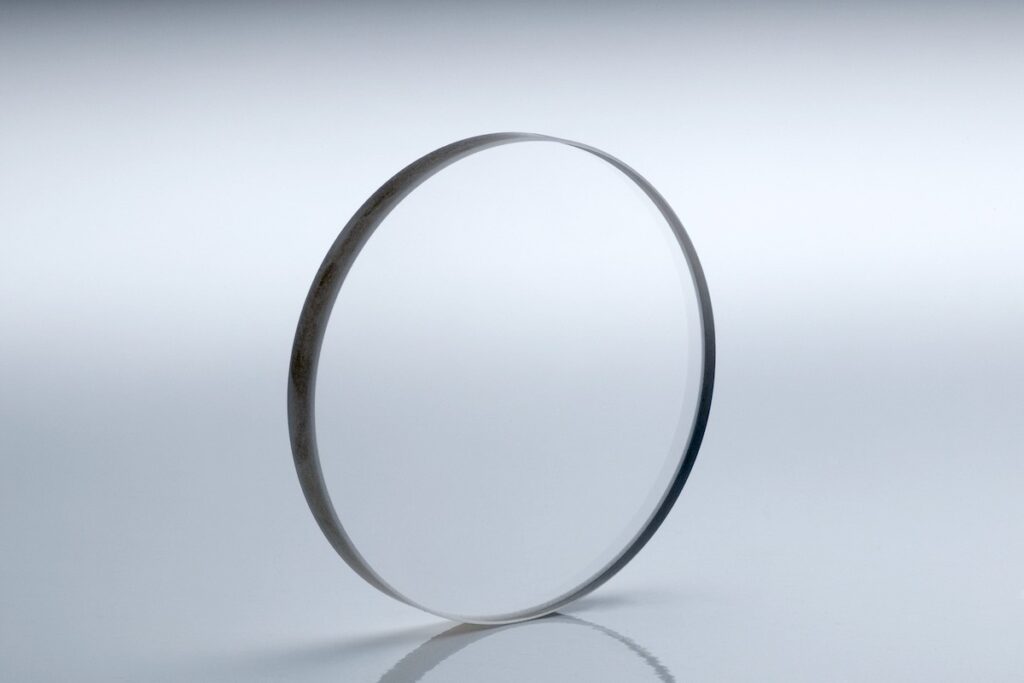
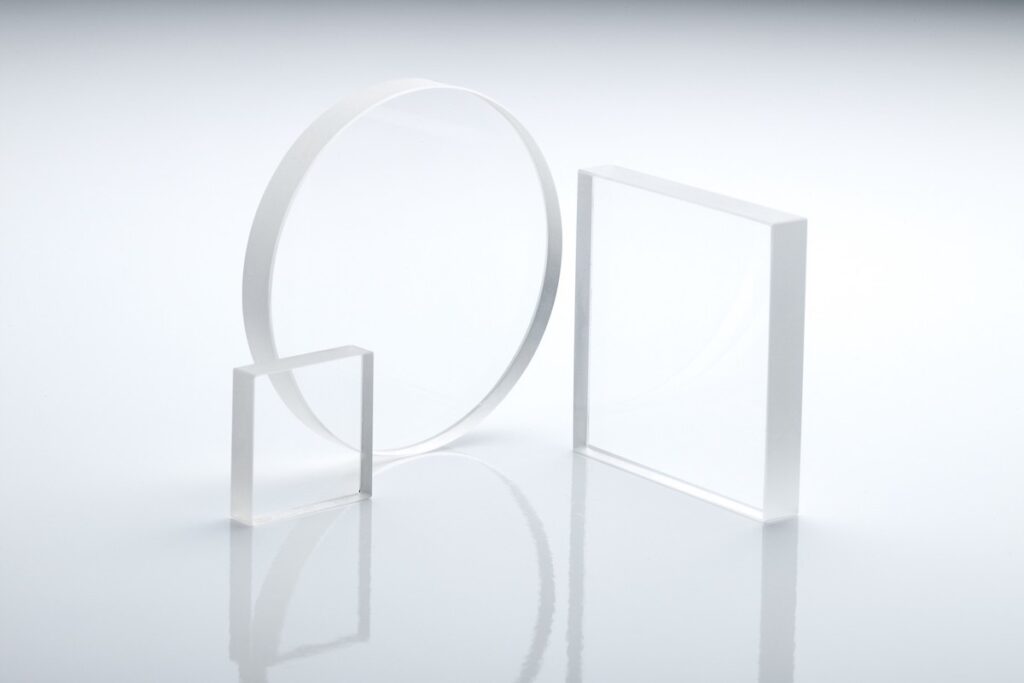
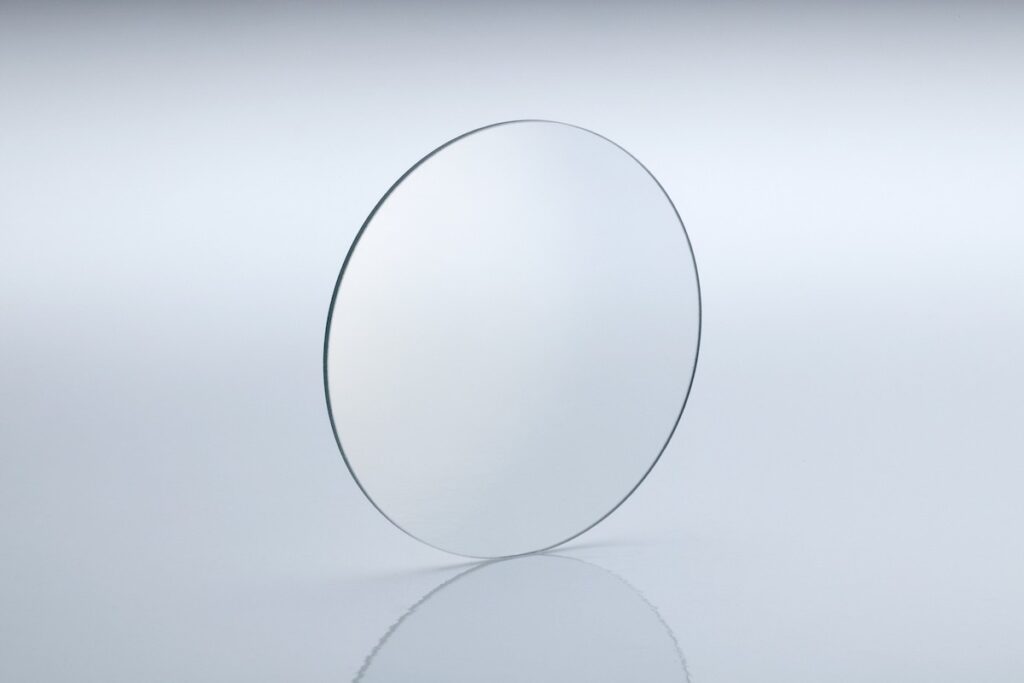
Optical windows, by comparison, provide a flat surface that serves as a protective barrier without introducing magnification. This makes them suitable for systems that rely on a narrow FOV. Typical applications include laser systems, machine vision, thermal imaging for building inspection and industrial monitoring, and safety viewports, where ease of integration and stable optical transmission are key considerations.
Material and coating selection remains critical for both domes and windows, as performance depends on spectral range, environmental resistance, operating temperature, mechanical durability, and budget. BK7 glass offers a cost-effective and durable solution for visible wavelengths, while UV-grade fused silica supports transmission down to 185 nm for ultraviolet applications.
Sapphire is commonly used in harsh environments requiring enhanced toughness, and zinc selenide and zinc sulphide provide strong transmission in infrared applications such as thermography and gas detection. Optical coatings, including anti-reflective, hydrophobic, oleophobic, and Diamond-Like Carbon (DLC) finishes, further enhance transmission efficiency, surface quality, and long-term durability.
To find out more information, read ‘When to Choose Optical Domes Over Optical Windows’ here >>