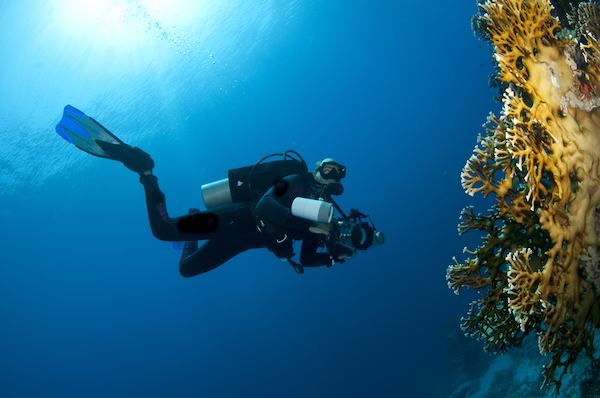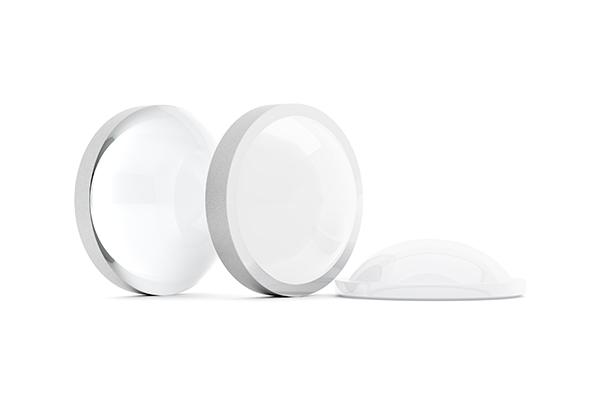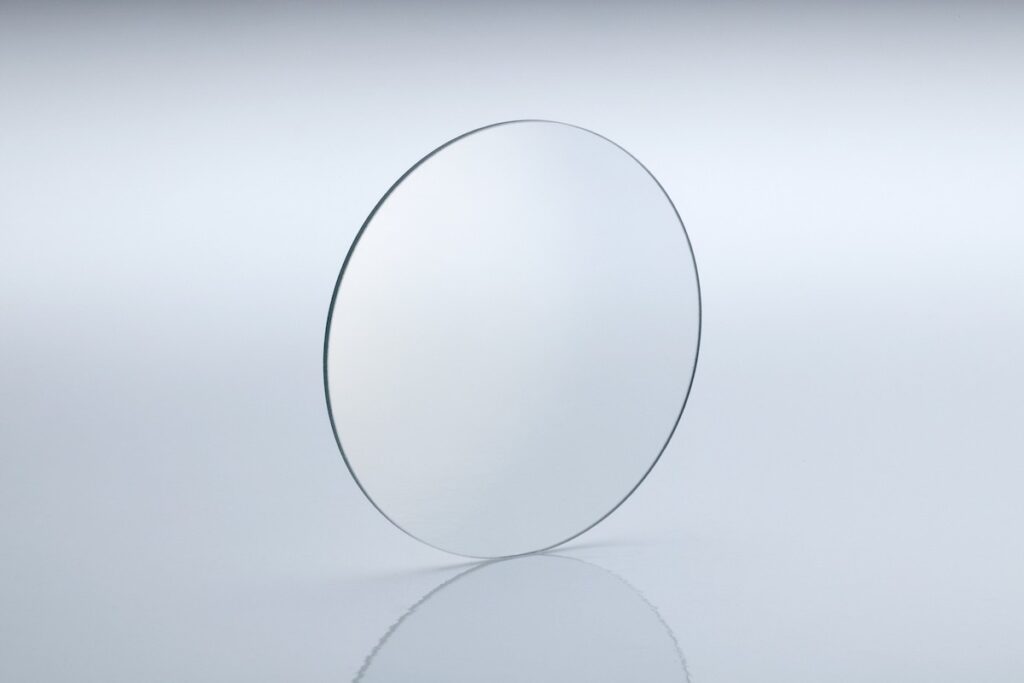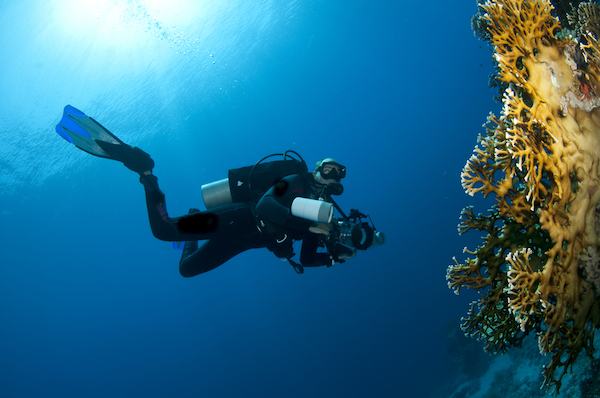



Underwater imaging systems operate in conditions where light distortion, color absorption, and particle scattering reduce visibility, placing strict demands on optical performance. Knight Optical supplies precision optical components for integration into underwater imaging systems used in ROVs, AUVs, and subsea inspection platforms. Read more >>
Conventional camera optics are not designed for these environments. These conditions, driven by wavelength absorption and suspended particles, require specialized optical components throughout the system. Within an underwater housing, each element, including ports, lenses, and filters, contributes directly to overall imaging performance.
Optical Requirements for ROV and AUV Imaging
To maintain accuracy in these conditions, imaging systems deployed on Remotely Operated Vehicles (ROVs), Autonomous Underwater Vehicles (AUVs), and towed camera rigs are relied upon to provide consistent visual data.
In offshore oil and gas inspections, undetected defects may result in significant environmental impact. In military and defense operations, reduced visibility can affect reconnaissance capability, while in marine research, compromised imaging may lead to incomplete or inaccurate data. The optical components integrated into these systems are therefore critical to achieving reliable imaging performance.
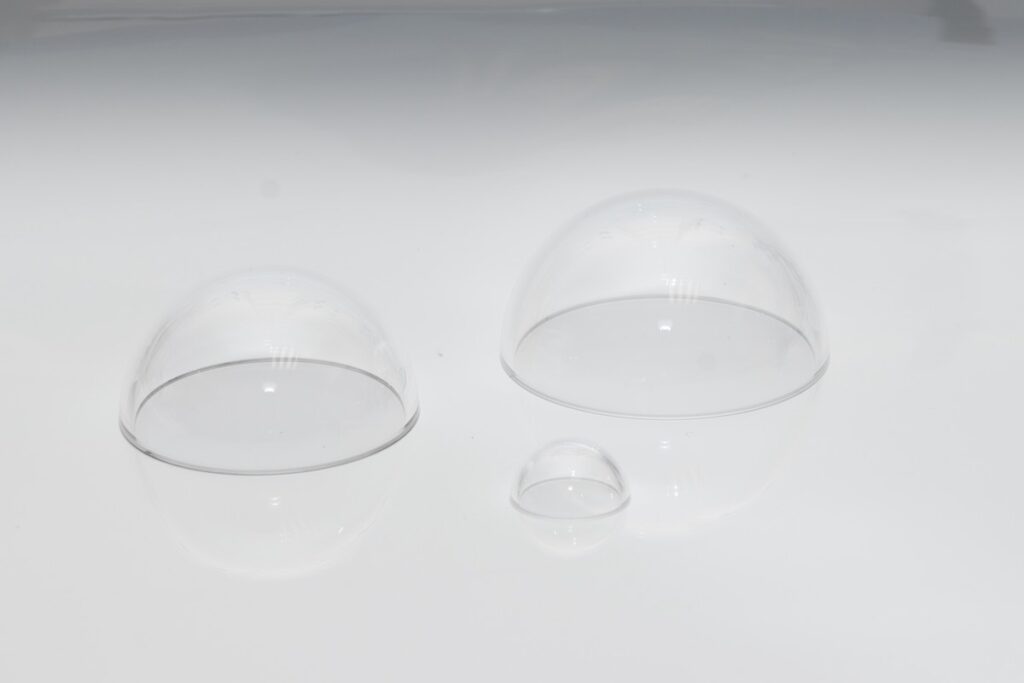
Dome Ports and Flat Port Windows
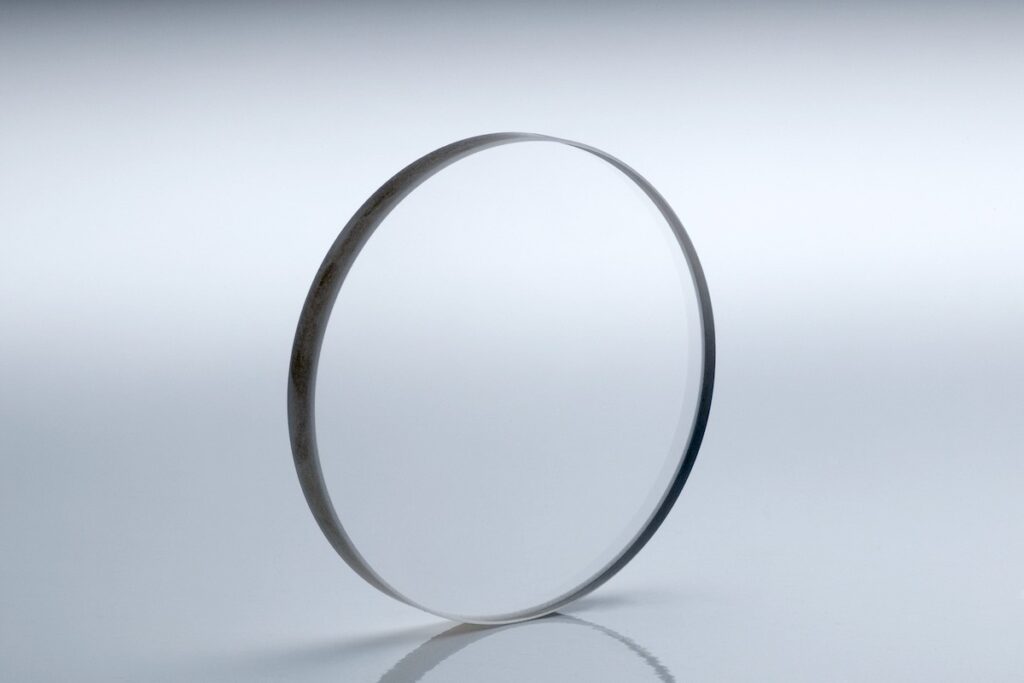
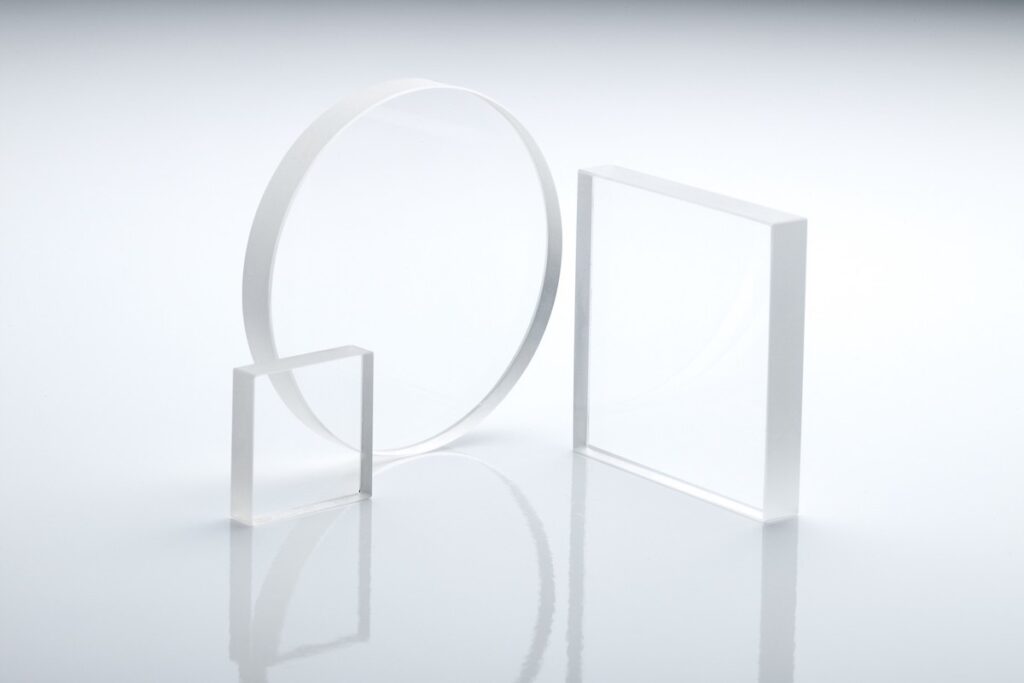
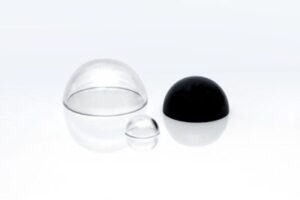
One of the primary considerations in addressing underwater optical distortion is the selection of the correct optical port. Underwater optical ports, also referred to as lens ports, protect internal camera components while maintaining image quality. These are typically divided into two categories: dome ports and flat ports, with selection determined by field of view requirements.
Dome ports are used for wider fields of view, typically above 63 degrees. Compared to flat ports, they reduce image distortion, making them suitable for wide-angle imaging applications such as pipeline inspection, infrastructure assessment, seabed surveying, marine life monitoring, and broad-area observation.
Flat ports, commonly used for fields of view below 63 degrees, create an apparent magnification effect due to light refraction at the water interface. This results in a virtual image that appears closer and larger than the subject. As a result, flat ports are better suited to macro lens configurations and narrow field applications such as close-range weld inspection and detailed hull corrosion monitoring.
To withstand subsea conditions, both dome and flat ports are typically manufactured from materials including sapphire, N-BK7 glass, and acrylic (PMMA). Anti-reflective coatings are applied to reduce surface reflections and improve light transmission, while hydrophobic coatings help prevent water from adhering to the optical surface.
Lens Design for Underwater Systems
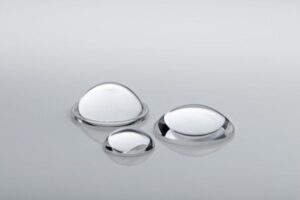
KO Lenses
Addressing distortion introduced at the water-to-air interface also requires careful lens design. In addition to external ports, underwater imaging systems incorporate lenses to focus and direct light onto the camera sensor.
Aspheric lenses are commonly specified for this purpose, as they reduce, and in some cases eliminate, optical aberrations. Knight Optical supplies precision aspheric lenses for integration into bespoke underwater imaging systems, supporting optimized imaging performance in these environments.
Bandpass Filters for Color Correction
Color distortion remains a key challenge in subsea imaging due to the absorption of longer wavelengths, particularly red light. This often results in images appearing washed out or dominated by blue and green tones.
Bandpass optical filters can be used to address this by selectively transmitting specific wavelengths. Filters centered on red wavelengths allow increased transmission of red light to the sensor, improving color balance and overall image clarity. Blue bandpass filters are beneficial in systems using artificial illumination, where they help control light intensity and reduce harsh visual effects.
Custom Optical Solutions
To meet the demands of these environments, Knight Optical supplies both stock and custom optical components for underwater imaging applications. These include underwater optical windows, precision lenses, and specialized filters designed for integration into a range of imaging systems, from handheld underwater cameras to ROV-based inspection platforms. Components can be specified to meet exact operational and environmental requirements.