

United Electronic Industries (UEI) plays a key role in addressing the challenges of design validation, verification (V&V), and Model-Based Design (MBD) in unmanned systems development, offering cutting-edge solutions that enable faster, more reliable system development.
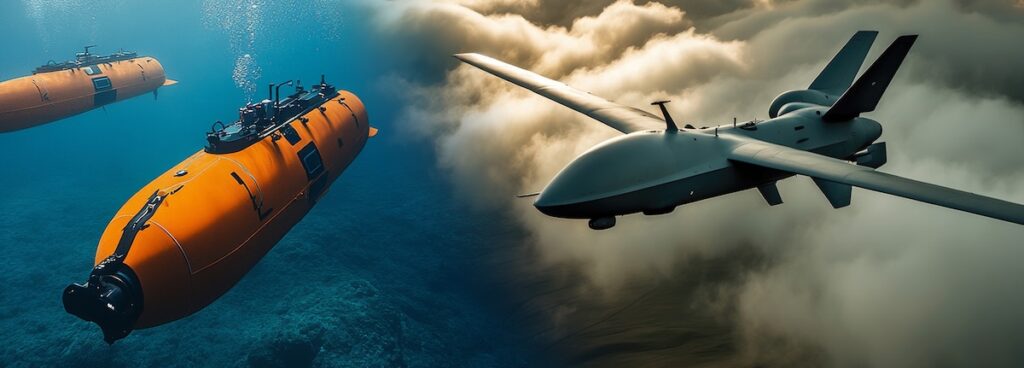
Unmanned aerial vehicles (UAVs), unmanned aircraft systems (UAS), unmanned sea vehicles (USV), autonomous underwater vehicles (AUV), and autonomous ground vehicles (AGV) are driving innovation across industries such as defense, agriculture, logistics, and infrastructure. As these systems grow in complexity, the need for rigorous V&V processes becomes even more critical.
By integrating UEI’s advanced simulation tools with V&V and MBD, organizations can drastically shorten the V&V cycle, reduce development time, and improve system performance. UEI’s powerful hardware platforms and flexible I/O systems allow developers to streamline their workflows, validate designs early, and test embedded systems in virtual environments, without waiting for full-scale prototypes.
Real-World Solutions from United Electronic Industries (UEI)
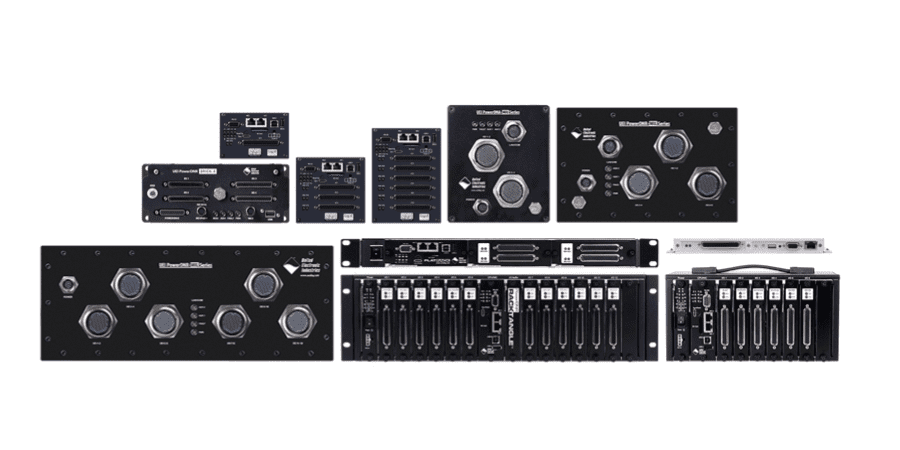
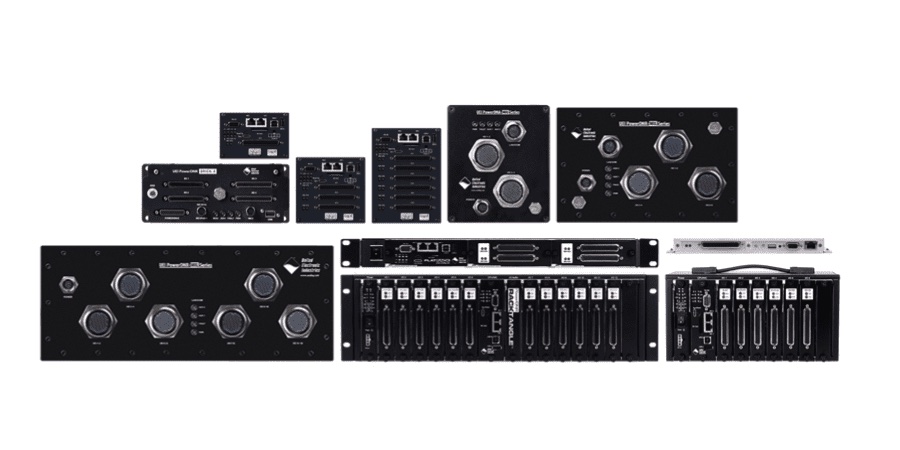
United Electronic Industries (UEI) offers a range of tools that make accelerated V&V and MBD workflows a reality. Their solutions are widely adopted across aerospace, automotive, robotics, and defense sectors, supporting everything from embedded control systems to Hardware-in-the-Loop (HIL) simulation.
UEI’s products empower unmanned system development with the following capabilities:
- Hardware-in-the-Loop (HIL): Real-time simulation platforms that allow testing of embedded systems in virtual environments using physical I/O.
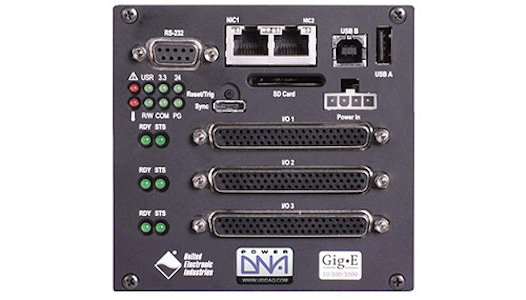
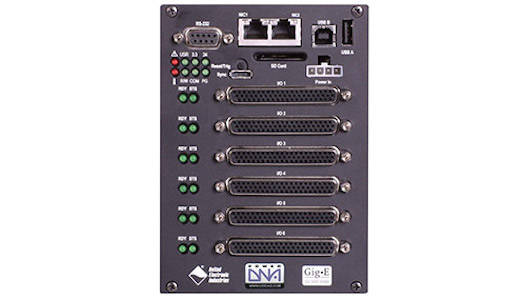
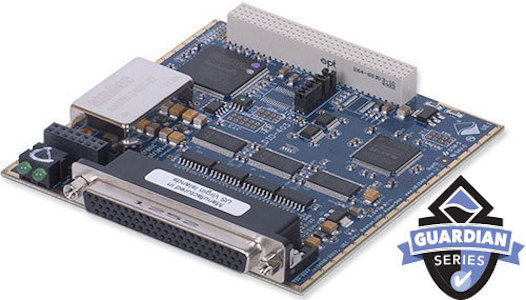
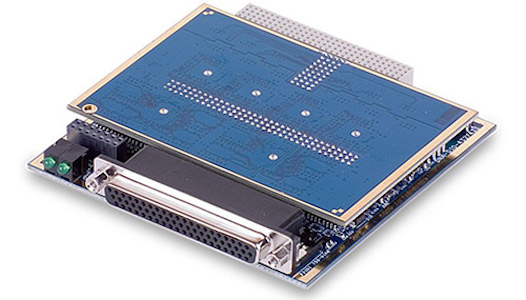
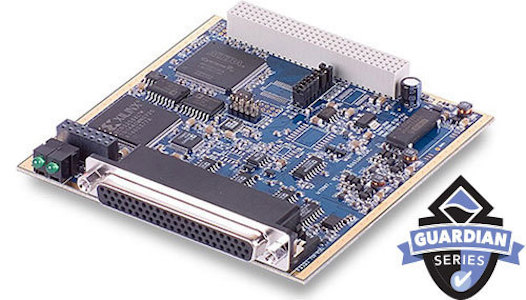
- Flexible I/O Integration: With over 90 I/O modules, UEI supports CAN, ARINC-429, MIL-STD-1553, and analog/digital signals, enabling comprehensive system interfacing and validation.
- Embedded Systems Development: Controllers that support Linux, VxWorks, and real-time OSs with programming capabilities in C/C++, Python, and Simulink, ideal for MBD workflows.
- Avionics and Automotive Protocol Support: Ensures compliance with aerospace and vehicular communication standards, simplifying integration and testing.
- System-Integration-Lab (SIL) Testing: Supports virtual test environments and automated execution of SIL test cases using tools like LabVIEW, Simulink, or VISTAS (ED-247), with hardware for integrated fault insertion.
- Longevity and Support: UEI platforms are ruggedized and guaranteed for 10 years, ensuring lifecycle stability crucial for long-term UAV, UAS, and AGV programs.
By integrating UEI’s systems into their V&V frameworks, organizations can quickly detect issues, streamline testing, and reduce development time, ultimately accelerating the time-to-market for reliable, high-performance systems.
Design V&V in Unmanned System Development
Design Validation and Verification are essential to ensuring that unmanned systems meet both functional requirements and user needs:
- Verification answers the question: “Did we build the system right?” It ensures that the system complies with the design specifications.
- Validation addresses: “Did we build the right system?” It ensures that the system meets the intended operational objectives and user expectations.
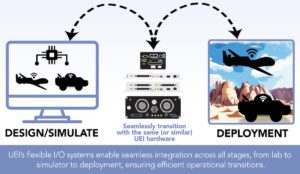
In traditional workflows, these processes occur after prototype fabrication, often leading to costly iterations and delays. However, by integrating V&V earlier in the development lifecycle, using simulation tools, automated test systems, and modular hardware, developers can mitigate risks and reduce rework. This “shift-left” approach identifies errors sooner, allowing for concurrent system development and minimizing delays from physical testing. (The “shift-left” approach refers to the practice of focusing on verification and validation earlier in the development process, before physical prototypes are created.)
Model-Based Design: From Concept to Code
Model-Based Design (MBD) enhances development efficiency by enabling engineers to model, simulate, analyze, and verify systems virtually. Instead of relying on physical prototypes, MBD begins with a detailed model from which production-level code and insights can be derived.
Key advantages of MBD include:
- System Simulation: Evaluate system performance across various scenarios, mission profiles, weather conditions, sensor degradation, without physical trials.
- Continuous Verification: Automate tests at each stage of development to ensure ongoing compliance.
- Code Generation: Directly translate verified algorithms into embedded code, minimizing manual coding errors and saving time.
- Hardware-in-the-Loop (HIL) Testing: Integrate real hardware with simulated environments to validate controller responses under realistic conditions.
For UAVs, for instance, designers can model navigation algorithms, sensor fusion, and control logic using tools like MATLAB/Simulink. Extensive simulations help identify bugs, inefficiencies, or integration issues before any physical assembly begins.
Synergizing V&V with MBD
When Design Validation and Verification are combined with Model-Based Design, they create powerful synergies, enabling:
- Rapid Iteration Cycles: Design changes can be quickly tested and validated in simulations before physical implementation.
- Scalable Testing: MBD supports scenario-based testing for multi-agent systems, swarm algorithms, and collaborative behaviors in UAV networks.
- Failure Mode and Effects Analysis (FMEA): Simulate potential failure conditions without risking physical assets.
- Streamlined Documentation: Automated traceability between requirements, models, and test cases simplifies compliance efforts, particularly for aviation and defense standards or MIL-STD protocols.
These integrated approaches reduce V&V durations, lower costs, and improve confidence in the reliability and safety of unmanned platforms, which is vital for systems operating in dynamic and high-risk environments.
Cut Development Time & Increase Reliability with UEI’s Simulation Solutions
As the demand for autonomous systems grows, the pressure to accelerate development timelines becomes even more intense. United Electronic Industries (UEI) plays a crucial role in helping organizations meet these challenges by providing advanced simulation tools that integrate with V&V and MBD processes.
By utilizing UEI’s simulation solutions, organizations can reduce test setup times, perform thorough system validation, and achieve rapid fault diagnosis, all without waiting for full-scale prototypes. These tools not only streamline development but also improve the reliability and precision of unmanned systems, enabling faster, safer deployments with fewer resources.
Leveraging UEI’s products allows developers to integrate early verification, embrace virtual prototyping, and accelerate the V&V lifecycle, ultimately delivering high-performance, reliable systems faster and more cost-effectively. UEI’s solutions are scalable and customizable, enabling developers to select the components and features they need based on the specific requirements of each project.