
Maritime Collision Avoidance System
Discover cutting-edge solutions from 7 leading global suppliersCharles River Analytics develops autonomy-enabling technologies for maritime applications, building on a 40-year history in artificial intelligence and machine learning research.
The company’s adaptive and collaborative autonomy solutions are designed to integrate seamlessly into human-machine teams across diverse environments, including land, sea, air, and space.
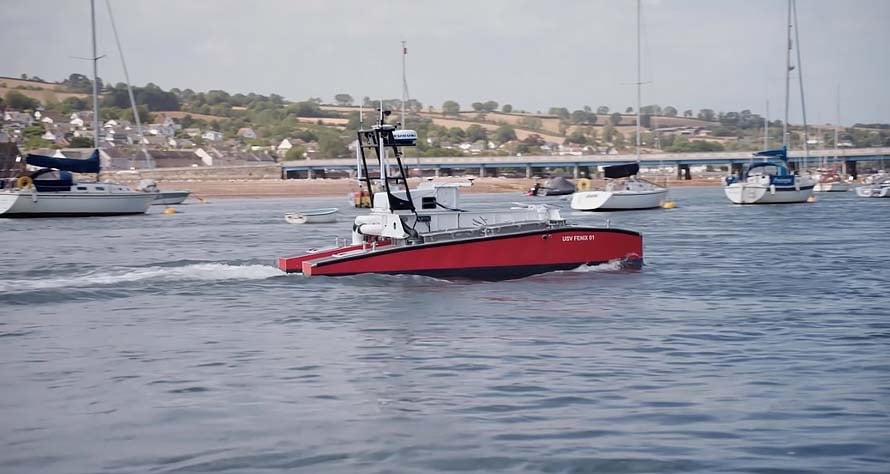
Enhancing Uncrewed Surface Vessel Operations
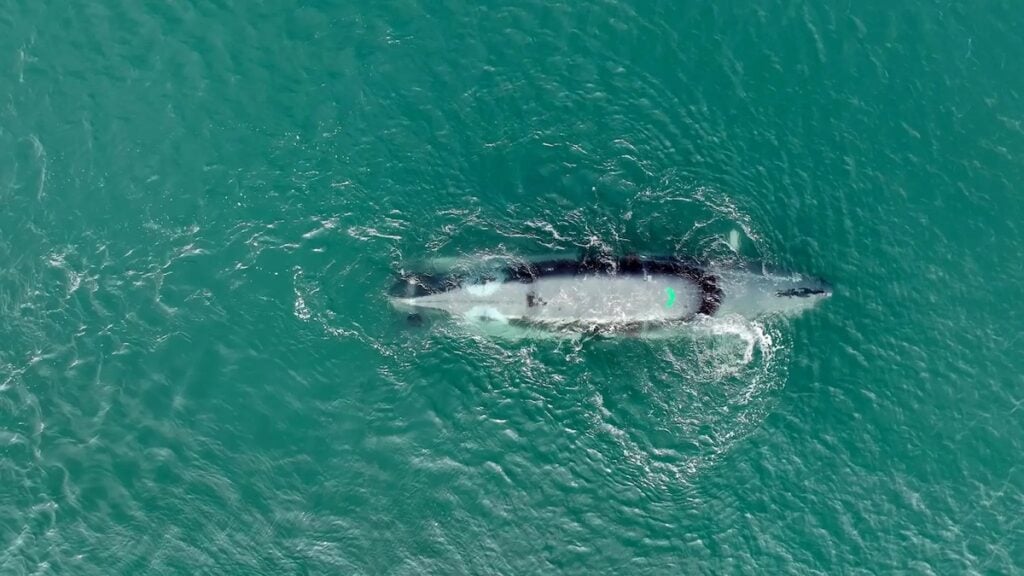
The Awarian Autonomous Lookout System equips surface vessels with the capability to detect ships, obstacles, and marine mammals in real time. These AI-powered systems assess threats and provide clear, explainable decision-making insights, enabling automated navigation in busy harbors and open waters.
Tests have demonstrated improved route efficiency, increased safety distances, and the elimination of near misses through adaptive behaviors guided by expert-level harbor navigation strategies.
Autonomy for Subsea Vehicles
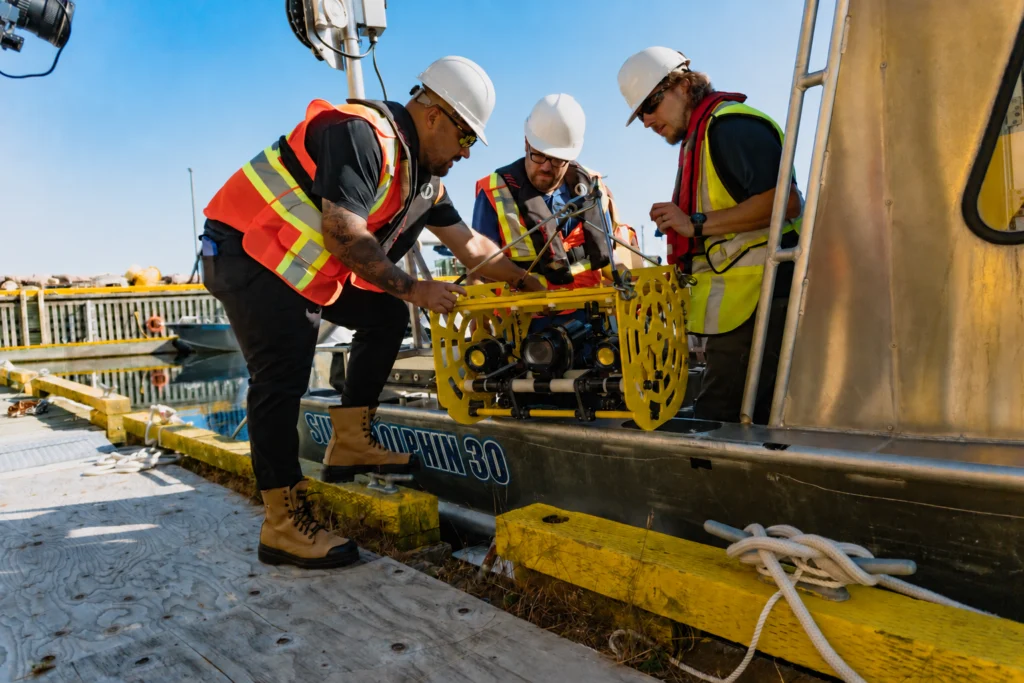
For underwater applications, Charles River Analytics offers technologies like AutoTRap Onboard®, which detects and classifies underwater objects in real time.
Machine learning and probabilistic modeling enhance existing software to adapt to environmental changes and maintain vehicle health.
Subsea vehicles equipped with these systems can self-geolocate, navigate thermoclines prone to communication disruption, and adjust routes based on operational status, ensuring mission success in dynamic underwater environments.
Aerial Autonomy Solutions
Aerial autonomy leverages bio-inspired swarm control with deep learning, allowing large teams of drones to learn and execute effective tactics in urban and complex settings.
Algorithms are trained to enable collaborative teams to detect and classify marine mammals, assess disaster scenes, and identify nuclear threats.
The systems feature user-friendly interfaces for rapid deployment by disaster relief teams and other field operators.
Ground Vehicle Applications
Ground-based systems utilize advanced 3D perception to model position and shape, enabling autonomous robots to navigate and execute rescue missions.
Robots can be directed through natural gestures and language via mixed reality interfaces. These capabilities support path planning, world modeling, and safe operations within human-machine teams.
Charles River Analytics continues to innovate autonomy solutions, ensuring reliable performance across domains.