EPIRB (Emergency Position Indicating Radio Beacons)
Technology Overview
EPIRB – Emergency Position Indicating Radio Beacons
Emergency Position Indicating Radio Beacons (EPIRBs) provide automated distress signaling through the 406 MHz COSPAS-SARSAT network, enabling rapid localization of vessels, offshore platforms, and uncrewed assets when communications fail. Designed to support global search and rescue operations, these beacons integrate GNSS positioning, 121.5 MHz homing, and robust activation mechanisms for both float-free and manual deployment.
This guide covers EPIRBs used across commercial fleets, research vessels, AUVs, USVs, and oceanographic buoys, delivering reliable alerting in extreme environments.
EPIRB – Emergency Position Indicating Radio Beacons
Overview by
William Mackenzie
Updated:
Introduction to Emergency Position Indicating Radio Beacons (EPIRBs)
Emergency Position Indicating Radio Beacons (EPIRBs) form a critical, non-negotiable layer of safety for all classes of commercial cargo vessels, sophisticated offshore support ships, dedicated research platforms, and uncrewed systems. Their primary function is to transmit an unequivocal distress signal that facilitates the rapid and precise localization of assets or personnel in danger. EPIRBs support survivability in situations where conventional communications are lost, where vessel-based power systems have failed, or where crew have been separated from the parent platform.
In remote or high-latitude waters without reliable cellular or VHF coverage, marine EPIRBs provide an independent, globally recognized distress signaling mechanism. This mechanism is capable of activating global Search and Rescue (SAR) assets with minimal delay.
Overview of International Regulation and GMDSS Integration
Emergency Position Indicating Radio Beacons are a mandated part of the Global Maritime Distress and Safety System (GMDSS) for SOLAS-class vessels and other regulated fleets. Their operation falls under stringent standards set by the IMO, ITU, COSPAS-SARSAT, and classification societies.
Under GMDSS, EPIRBs support automated distress alerting primarily via the 406 MHz COSPAS-SARSAT satellite system. Crucially, while the 406 MHz signal provides global detection and location fixing, the beacon maintains a homing capability on 121.5 MHz. It is vital to note that 121.5 MHz is used strictly for the final homing phase by SAR aircraft and vessels, not for satellite detection.
Regulations govern EPIRB battery life, signal strength, buoyancy, activation modes, coding format, and environmental resilience. Research vessels, autonomous platforms, and offshore installations rely on EPIRB beacons to meet duty-of-care and operational safety requirements.
Types of Emergency Position Indicating Radio Beacons
The industry typically categorizes Emergency Position Indicating Radio Beacons based on their deployment and activation mechanisms.
Category I (Automatic Release / Float-Free)
This class of automatic EPIRB is defined by its ability to self-deploy when a vessel sinks. Housed within a specialist bracket featuring a Hydrostatic Release Unit (HRU), the beacon is designed to float free and automatically activate once submerged to a certain depth. This automatic activation capability is what defines the Category I class, making them mandatory for most SOLAS-regulated vessels and the gold standard for high-value offshore research and industrial platforms where a reliable, fail-safe alerting system is non-negotiable.
Category II (Manual Release)
Category II EPIRBs must be manually removed from their bracket and manually activated. These are generally suited to smaller vessels, scientific tenders, support craft, or field teams. While lacking the automated float-free capability of Category I devices, these units offer reduced SWaP (Size, Weight, and Power) characteristics and superior portability.
EPIRBs for Commercial Vessels vs. Recreational Use
Commercial-grade beacons are engineered for extended battery life, robust environmental sealing, and the stringent compliance certifications required by large operators. Recreational beacons remain fully compliant with COSPAS-SARSAT but are typically optimized for cost, weight, and ease of carriage for smaller craft.
AIS EPIRBs and Hybrid Distress Beacons
By incorporating Automatic Identification System (AIS) messaging, EPIRBs can broadcast a locally trackable distress signal in parallel with the global 406 MHz alert. This capability enables nearby commercial vessels and research ships to rapidly self-task and initiate recovery efforts, significantly compressing response times. These advanced, hybrid beacons often integrate powerful strobe lights, high-sensitivity GNSS receivers, and the critical Return Link Service (RLS) technology.
PLBs vs. EPIRBs – Technical Distinctions
The distinction between an EPIRB and Personal Locator Beacon (PLB) is fundamental. An EPIRB is designed to signal the distress of a vessel, featuring a minimum mandatory battery life and the essential hydrostatic release capability (for Category I).
Conversely, a PLB is designed for the distress of an individual. While both utilize the COSPAS-SARSAT system, PLBs have shorter minimum operational periods, and must be manually activated. They cannot serve as a substitute for the vessel-mounted EPIRB. Despite this, they are extensively utilized by offshore scientists, subsea engineers, and divers as essential devices for individual accountability and safety.
EPIRB Applications in Marine Science & Offshore Operations
The versatility and reliability of Emergency Position Indicating Radio Beacons have made them indispensable safety components in non-traditional maritime applications, extending beyond manned vessels into the realm of high-value scientific assets.
Autonomous and Uncrewed Platforms
Autonomous Underwater Vehicles (AUVs), Unmanned Surface Vehicles (USVs), and complex instrumented drifting platforms increasingly integrate highly compact EPIRBs or PLB-class beacons. These serve as mission-critical emergency location aids should the asset fail to surface, suffer a catastrophic loss of communication, or drift outside defined operational bounds. This application is essential for protecting high-value scientific assets.
Oceanographic Buoys and Drifting Systems
Long-duration oceanographic buoys may carry water activated radio beacons to ensure recoverability following mooring failure. In challenging scenarios, such as severe icing or major storms, the ability of these drifting systems to independently broadcast their position is essential for recapture and for preventing navigational hazards that could impact other marine traffic.
Extreme Environment Expeditions and Polar Research
Polar expeditions rely heavily on the EPIRB due to inherently limited SAR coverage and difficult communications in high-latitude regions. The beacons utilized must be specified to operate reliably in extreme cold, withstand severe icing, and efficiently support GNSS constellations that maintain optimal visibility.
Recovery for Subsea-Linked Surface Assets
Surface nodes tethered to subsea observatories or ROV infrastructure often include radio beacons for surface recovery in the event of tether failure. This application minimizes the potential loss of high-value scientific instrumentation and the proprietary data they contain.
Components of Emergency Position Indicating Radio Beacons
Understanding the core system architecture is essential for evaluating the long-term reliability and environmental resilience of an Emergency Position Indicating Radio Beacon intended for multi-year marine deployment.
Beacon Housing and Environmental Protection
EPIRBs are meticulously engineered for years of reliable service in corrosive marine environments. Materials are specified to resist UV degradation, saltwater corrosion, and high impact loading, while enclosures must meet rigorous IP and drop-test standards to ensure the longevity of the electronic components inside.
Antenna Design and Radiation Patterns
Antenna geometry is carefully optimized to ensure stable, omnidirectional 360° transmission, even in dynamic wave conditions. The beacon’s float orientation is critical to ensure maximum radiated power is directed toward the sky for immediate satellite acquisition upon deployment.
Power Systems, Battery Chemistry, and Life Expectancy
High-performance power systems, typically reliant on lithium-primary batteries, are at the heart of every professional marine EPIRB. These systems are engineered to support long-duration storage and guarantee a minimum multi-hour emergency transmission period. Key engineering considerations include maximizing energy density, ensuring robust cold-weather performance (vital for polar research), and establishing maintenance cycles tied to official vessel survey intervals.
Sensors and Activation Mechanisms (Hydrostatic, Manual, Impact)
Redundancy is critical for reliable distress alerting. While hydrostatic releases and water-contact sensors enable the required automated activation, manual switches provide essential backup for direct deployment. Some advanced beacons incorporate acceleration detection to trigger activation following a severe collision or capsize event.
EPIRB Activation Modes
Beyond the basic on/off function, professional Emergency Position Indicating Radio Beacons incorporate sophisticated activation logic that provides multiple pathways to initiate a distress alert, maximizing the probability of a successful transmission.
Automated Float-Free Activation: Critical for regulated vessels, ensuring the beacon continues transmitting even if the crew are incapacitated or unable to deploy the equipment manually. The automatic trigger ensures the distress call is made even if the vessel is lost rapidly.
Manual Activation: Essential for abandon-ship scenarios, scientific fieldwork, or smaller craft where automatic deployment is either impractical or not regulated. This activation mode provides crew members with full control over the distress signal initiation.
Self-Test and GNSS Test Modes: EPIRBs feature sophisticated self-test protocols that verify essential components (RF output, battery health, GPS lock, and antenna integrity) without transmitting a live alert to SAR services. These tests are vital for pre-voyage checks and operational assurance.
False Alert Mitigation and Reporting Procedures: False alerts impose significant operational burdens on SAR services globally. Modern beacons integrate robust lockout mechanisms, protective physical switches, and clear status indicators to minimize accidental activation. Regulatory procedures demand prompt reporting and cancellation of any false alert transmission to maintain system integrity.
EPIRB Integration & Mounting Requirements
Proper integration involves adherence to specific technical and regulatory mandates to ensure the beacon is positioned and connected optimally for emergency performance and seamless SAR coordination. Engineering attention must be paid to the physical, electrical, and procedural integration aspects of the system.
Mounting Requirements for Float-Free EPIRBs
The correct installation and positioning of a Category I float-free EPIRB are mandated by international regulations (e.g., SOLAS, IMO) to guarantee the device’s reliability during a catastrophic emergency. Key to compliance is ensuring a clear, unobstructed path to the surface, free from any overhead structures or equipment (like davits or railings) that could impede its release.
The beacon must be securely fastened to a structurally sound part of the vessel and positioned on the highest practical point for optimal satellite coverage. The HRU, which triggers between 1.5 and 4 meters of submersion, must be fully exposed to water pressure. Furthermore, to prevent interference, the unit must be located far enough from large ferrous masses and magnetic compasses to maintain the integrity of its transmission and other navigation equipment.
Integration with Bridge Systems and AIS
For regulated and large scientific vessels, an AIS EPIRB must interface seamlessly with existing bridge systems, providing critical local situational awareness. This integration allows nearby vessels to receive the distress signal immediately via AIS and initiate self-tasking SAR protocols. Furthermore, digital vessel management systems must auto-populate beacon identifiers and link them to registry databases for streamlined SAR coordination. This data linkage is crucial for ensuring the rapid dissemination of accurate identity and position data to official authorities.
Emerging Trends in EPIRB Technology
The field of distress signaling is continually advancing, leveraging satellite and digital communication breakthroughs to enhance safety, offering engineers and operators enhanced localization accuracy and improved crew confidence.
Next-Generation MEOSAR EPIRBs
The MEOSAR (Medium Earth Orbit Search and Rescue) system is now fully operational, utilizing GNSS-orbit SAR payloads. This system drastically shortens distress detection time and significantly enhances localization accuracy, representing the current state-of-the-art in satellite detection and moving the system from near real-time toward instantaneous alerting.
AIS and RLS (Return Link Service) Enhancements
The Return Link Service (RLS) is a major enhancement that provides crucial visual confirmation on the beacon itself that the distress signal has been received and acknowledged by the satellite system. This simple yet critical feedback substantially improves crew confidence during an emergency situation.
Integrated Sensor Suites for Situational Awareness
Future beacons are expected to incorporate environmental telemetry such as water temperature, wave state, or motion data. This integrated sensor suite capability will not only aid SAR teams but also provide valuable scientific post-event analysis data.
Digital Survivability and Cyber-Resilience for Maritime Safety Systems
As EPIRBs become more integrated within complex vessel digital ecosystems, considerations for cybersecurity and data integrity are emerging. Authentication of beacon identity and secure configuration management will be increasingly relevant to maintain the reliability of this essential safety system.
Showcase your capabilities
If you design, build or supply EPIRB (Emergency Position Indicating Radio Beacons), create a profile to showcase your capabilities and connect with visitors who have an active requirement for your solutions.
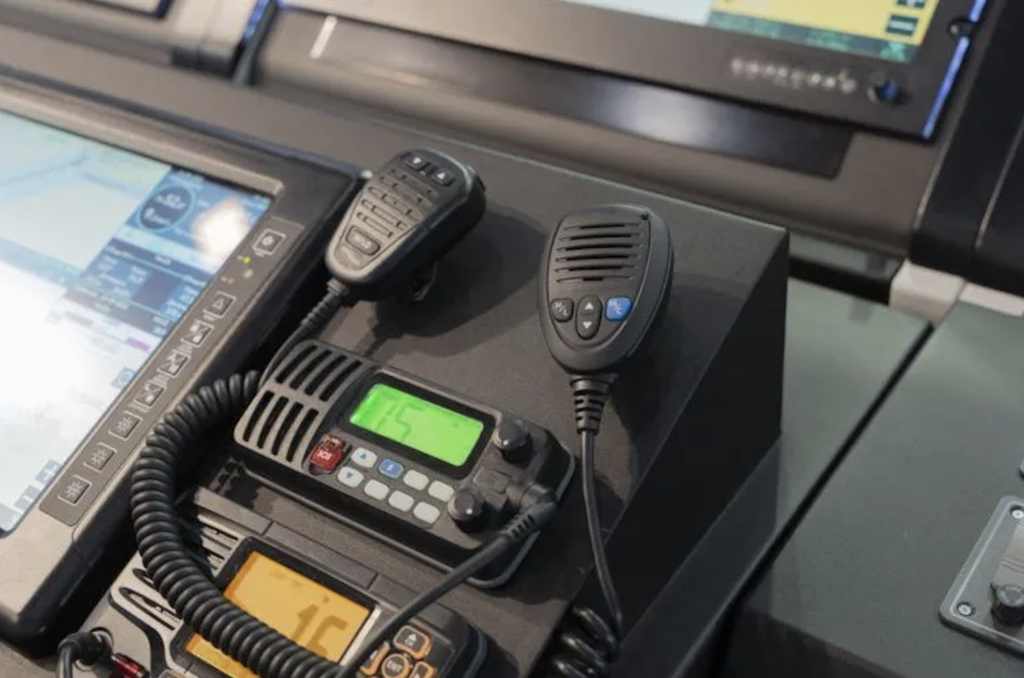
Learn how Actisense is revolutionizing maritime safety with advanced emergency devices like VHF radios and satellite beacons to keep boaters secure and ready for any situation on the water
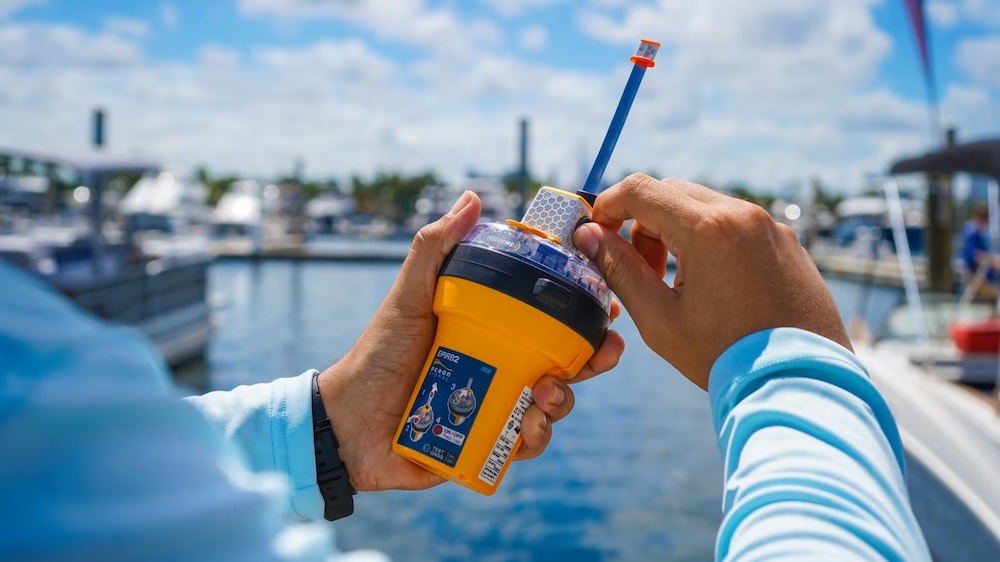
The rugged, robust EPIRB2 and EPIRB2 Pro beacons, with 10-year battery life, include GNSS positioning, 406 MHz Cospas-Sarsat distress signal with MEOSAR compatibility and 121.5 MHz local homing signal
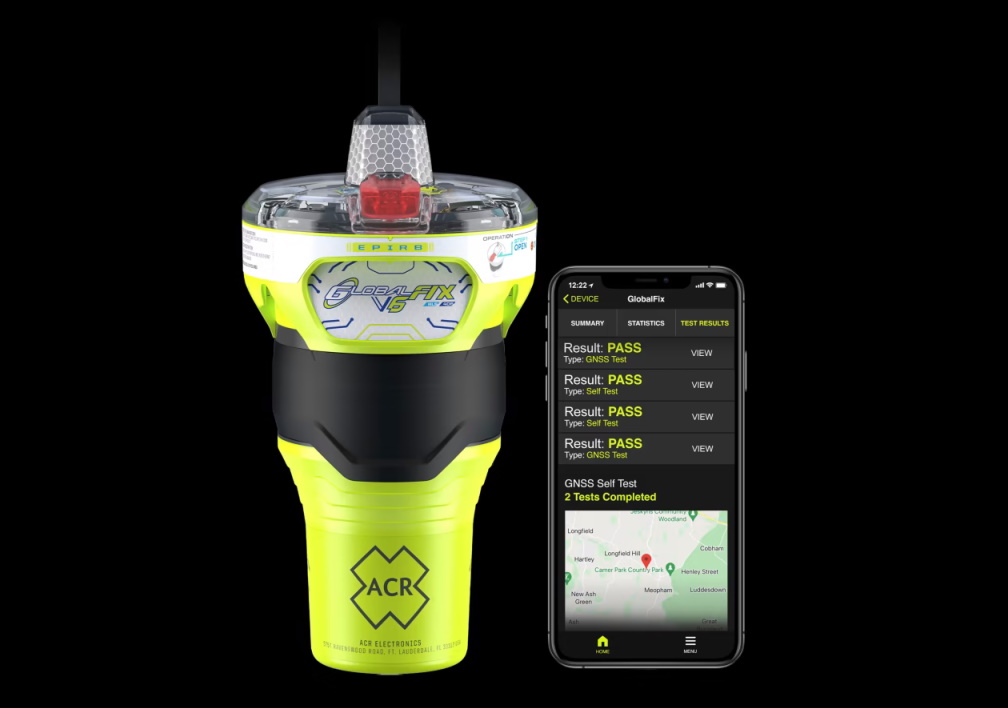
The GlobalFix V6 beacon features Return Link Service (RLS) capability, and NFC connectivity that allows users to check battery life and diagnostics via a mobile app
The latest offshore, subsea & marine technology news, straight to your inbox.
Get our weekly roundup of technology developments, new products and industry news.
THANK YOU FOR SIGNING UP
Thanks for joining us. Check your inbox.
We've sent you an email. Click the confirmation link to complete your subscription to the weekly eBrief. In the meantime, explore the latest news, suppliers and technologies.