
EOD and Mine Countermeasures
Discover cutting-edge solutions from leading global suppliers
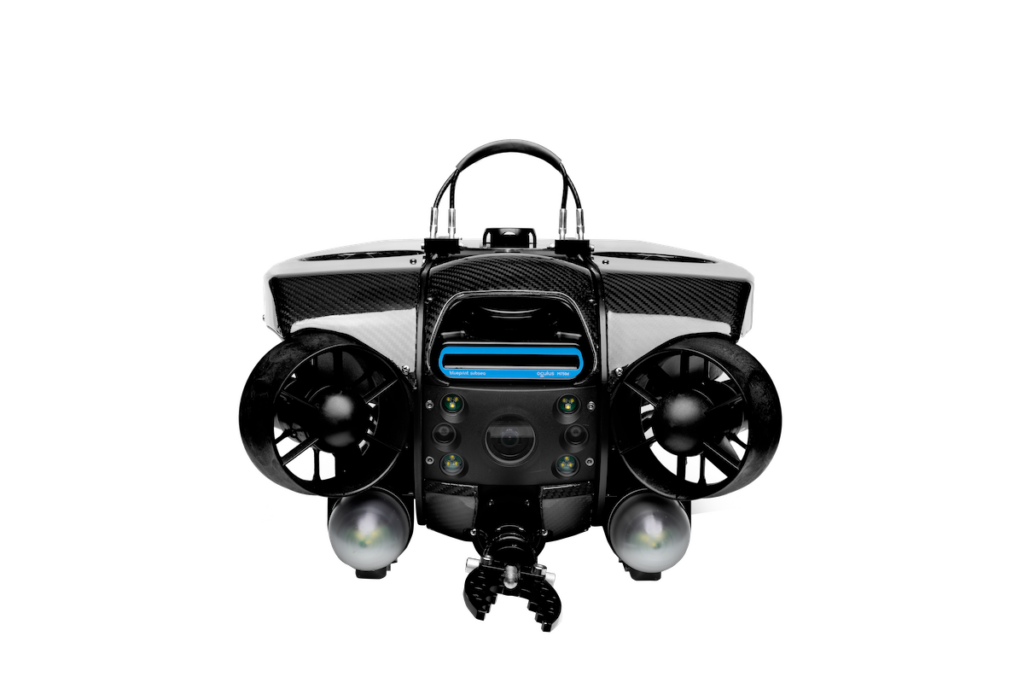
The NATO Support and Procurement Agency (NSPA) has placed a new order worth approximately 40 million Euros for several hundred Exail K-Ster mine neutralization vehicles to bolster the underwater defense capabilities of European naval forces.
This procurement is part of a framework agreement established in 2024 designed to allow all Alliance navies to acquire these systems rapidly through a streamlined process. The move highlights a growing momentum among European maritime forces to modernize mine countermeasure capabilities by adopting unmanned and autonomous systems. These technologies are intended to make operations safer and more efficient by removing personnel from the immediate minefield.
The vehicles destined for European fleets will be manufactured at Exail’s assembly lines in Ostend, Belgium. This facility, which opened in 2022 and is now fully operational, serves as a hub for major modernization programs within the sector. Exail maintains control over the critical building blocks of these systems, providing sovereign industrial solutions to European nations.
Jérôme Bendell, Head of Exail Maritime Systems Business line, commented, “We are very proud to see European navies renewing their confidence in our mine neutralization solutions. This new order confirms both the proven operational reliability of K-Ster and Exail’s central role in supporting the modernization of MCM capabilities for NATO navies. With our Ostend site now fully scaled up, we are prepared to support navies in the deployment of next-generation MCM capabilities.”
The expansion of the K-Ster fleets is intended to directly contribute to the security of sea lines of communication and the protection of critical maritime infrastructure. Enhancing control of the underwater domain remains a high strategic priority for European nations as they seek to strengthen maritime security and sovereignty through advanced robotics.