The Global Sourcing Hub for Marine, Subsea & Offshore Technology
Discover cutting-edge solutions from leading global suppliers
June’s most-read stories on OST kept returning to the same idea: how can ocean operations continue for longer with less reliance on surface support? Extending endurance, expanding operational reach, and reducing the need for costly intervention ran through each of the month’s standout stories.
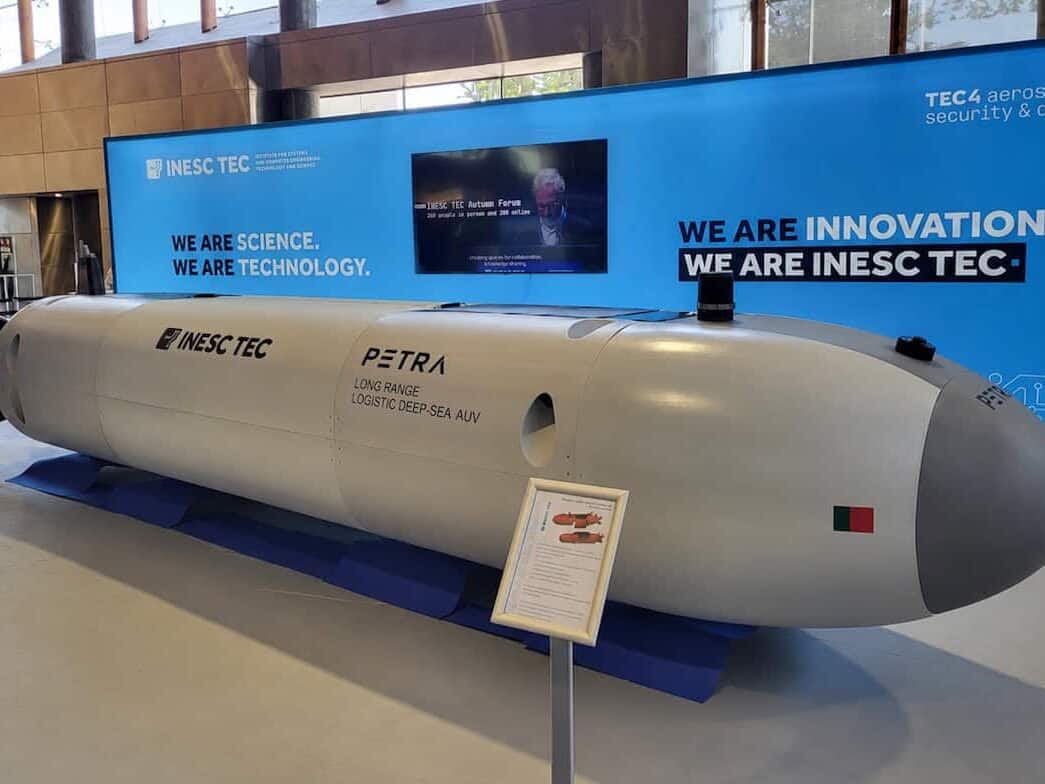
INESC TEC’s PETRA project attracted significant attention for reframing what an AUV is actually for. The long-range deep-sea vehicle, with a first Atlantic mission planned for May 2027, is built around logistical support — transporting equipment, recovering seabed sensor nodes, collecting recorded data, and recharging batteries at depths of up to 6,000 metres.
The economics are part of the argument too: a single research vessel’s running costs could fund an entire fleet of platforms like this. Unlike surface vessels, the platform is also intended to continue operating during stormy weather and in polar regions where winter access can be extremely limited.
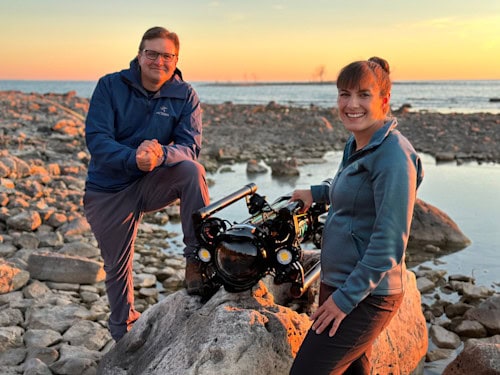
Exploration featured too, with Boxfish Robotics supporting a live descent to the deepest point in Lake Superior — a region last visited by scientists 41 years ago. The team used a Boxfish Luna ROV to document species adapted to near-total darkness and pressures more than 40 times those at the surface, among them the kiyi: a rare deepwater cisco never photographed alive in its natural habitat. The expedition served as a reminder of how much of even well-known freshwater environments remain largely unexplored.
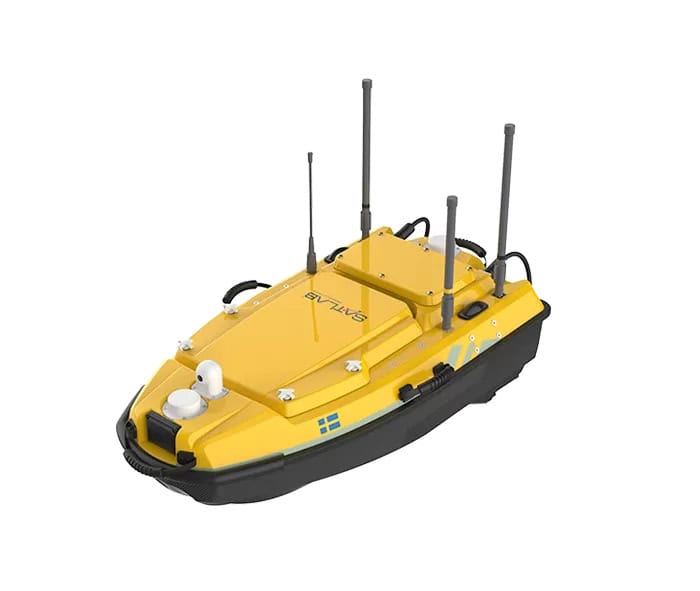
SatLab Geosolutions introduced the HydroBoat 1200 GEN2, a compact unmanned survey vessel designed for hydrographic work across rivers, reservoirs, ports, and coastal areas.
Multi-sensor compatibility and automated route planning are managed through an updated Android application, reducing manual intervention during field operations while supporting a wide range of survey applications.
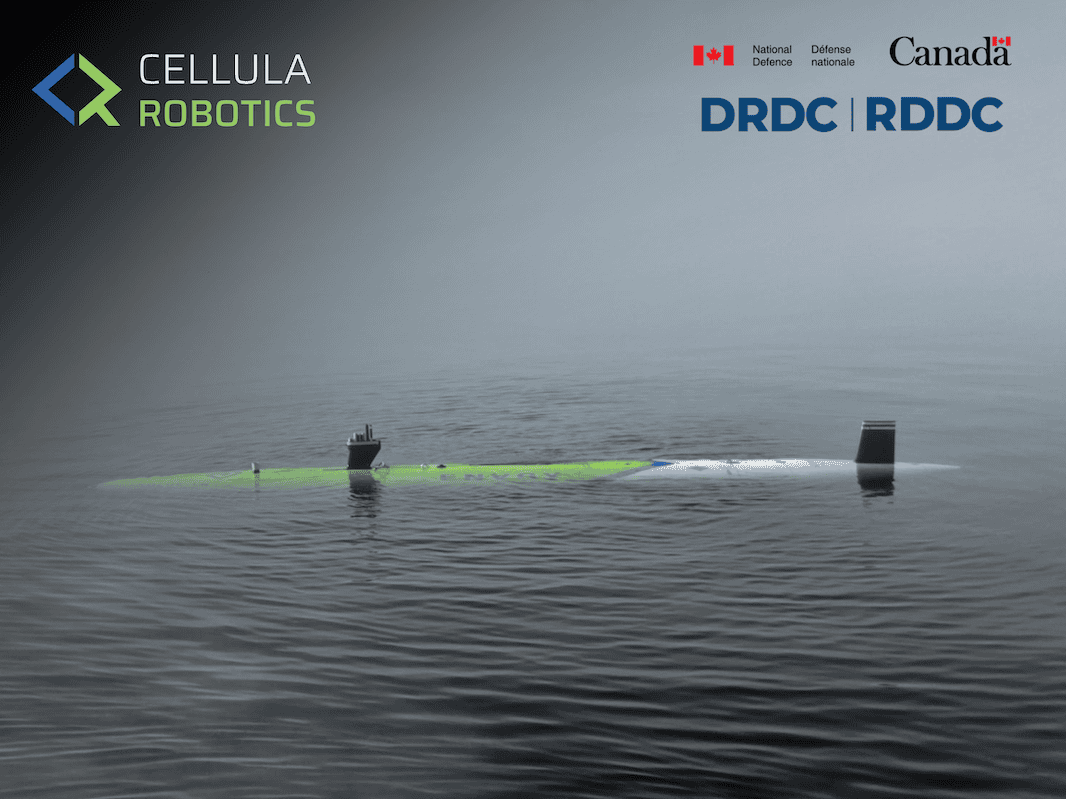
The month’s most concrete endurance milestone came from Cellula Robotics and Defence Research and Development Canada. During a fully submerged representative mission, the hydrogen fuel cell-powered Envoy AUV remained underwater for 385 hours, covering 2,023 kilometres and completing more than 4,000 turns and manoeuvres — conditions that increase energy demand well beyond steady linear travel. The demonstration exceeded the platform’s published endurance specifications.
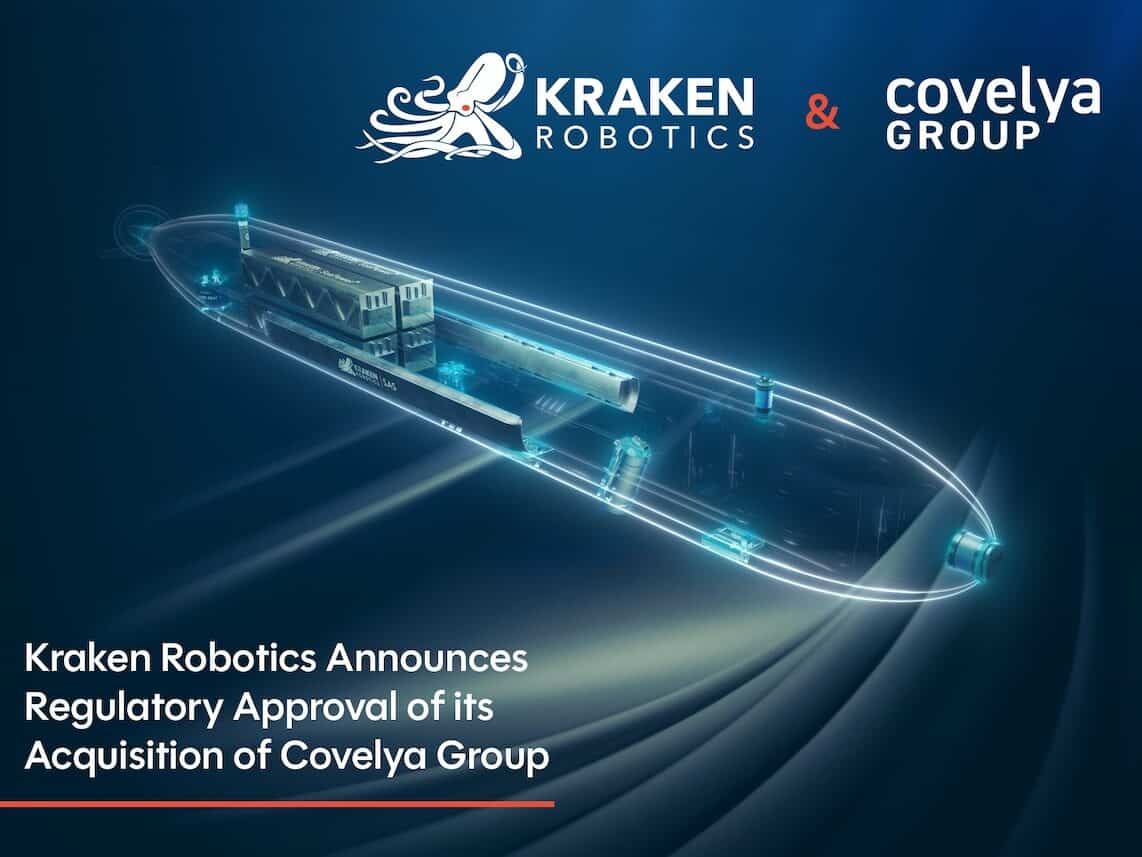
Kraken Robotics closed the month having secured regulatory approval to complete its acquisition of Covelya Group, with the transaction expected to close on 2 July. The deal brings Sonardyne International, EIVA, Voyis Imaging, Forcys, Wavefront Systems, and Chelsea Technologies into Kraken’s portfolio, bringing together expertise in underwater navigation, imaging, sensing, and survey technologies as the company continues to expand its subsea capabilities.
The throughline across June was persistence: keeping systems operational for longer, reducing reliance on surface support, and strengthening the technologies that make extended subsea operations practical. From resident logistics vehicles to endurance demonstrations and strategic industry investment, the month’s most-read stories showed an industry increasingly focused on capability that lasts, rather than capability that simply launches.