The Global Sourcing Hub for Marine, Subsea & Offshore Technology
Discover cutting-edge solutions from leading global suppliers
March’s most-read stories on Ocean Science Technology reflected a sector in motion, shaped not just by new product launches, but by how those systems are being applied, demonstrated, and refined in real-world environments — including a number of on-the-ground interviews conducted by OST editors at Oceanology International 2026.
Across the month, attention gravitated toward platforms and technologies designed to stay in the water longer, operate with greater independence, and deliver more meaningful data with less intervention. From next-generation ROVs and deepwater unmanned systems to insights direct from the exhibition floor, the common thread was clear: engineering decisions increasingly shaped by where and how these systems will actually be used.
Deep Trekker drew significant interest with the unveiling of its SPECTRA ROV at Oceanology International 2026, designed to establish a new performance class for portable inspection and survey systems operating in deep-water, high-current environments. Built around a seven-thruster symmetrical propulsion layout, the platform can maintain position in currents of up to three knots while reaching forward speeds exceeding four knots.
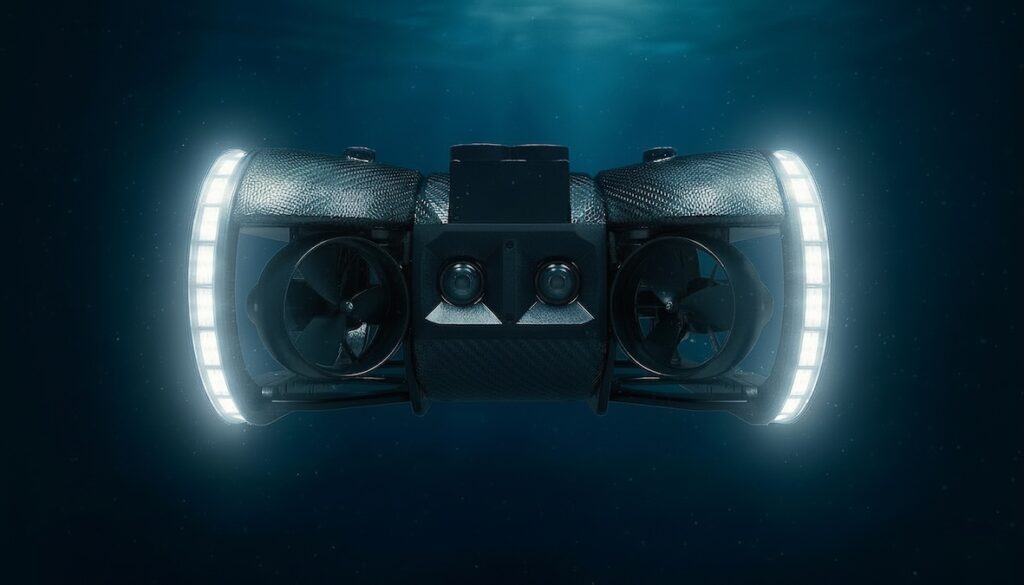
Alongside its propulsion capability, the system integrates real-time 3D sonar SLAM processed onboard, enabling operators to build a live spatial understanding of subsea environments even in zero visibility. Combined with a 4K stereo vision system and a hand-deployable design, SPECTRA reflects a broader move toward compact platforms delivering capabilities typically associated with larger, more complex systems.

A similar focus on extending operational reach could be seen in OceanAlpha’s introduction of the V180 USV–ROV system. The 24-metre unmanned platform combines a DP2-enabled surface vessel with a work-class ROV, supporting subsea operations at depths of up to 3,000 metres. Designed for inspection, maintenance, and repair missions, the system offers up to 30 days of endurance and supports autonomous, remote, and crewed operating modes.
By removing onboard crew requirements and enabling satellite-linked remote control, the platform reflects how unmanned systems are increasingly being positioned to expand offshore capability while reducing exposure to operational risk.
That breadth of platform activity was captured directly in OST’s hands-on review of the systems on display at Oceanology International 2026.

Across USVs, ROVs, and AUVs, editors spent time on the show floor and at the water’s edge observing live demonstrations and speaking with the teams behind the hardware, from Maritime Robotics and XOCEAN showcasing autonomous surface survey platforms, to EvoLogics demonstrating coordinated surface and subsea deployments, to the latest AUV developments from the likes of Saab Seaeye and Teledyne Marine.
The result was one of OST’s most comprehensive looks at the current state of autonomous and remotely operated platform technology, reflecting a sector where the range of available systems – and the operational roles they are being designed to fill – is expanding rapidly.
That shift was also evident in coverage of compact ROV platforms, where CHASING’s expanding portfolio attracted attention. With systems rated to depths of up to 350 metres, the company’s technology is being applied across a broad range of environments, from marine inspection and inland infrastructure monitoring to emergency response scenarios. As depth capability increases and deployment remains straightforward, these platforms continue to extend into areas traditionally reliant on diver-led operations, broadening the accessibility of subsea inspection.
Rounding out the month, OST’s wider technology coverage from Oceanology International provided a closer look at the sensing, navigation, and infrastructure underpinning these platforms.
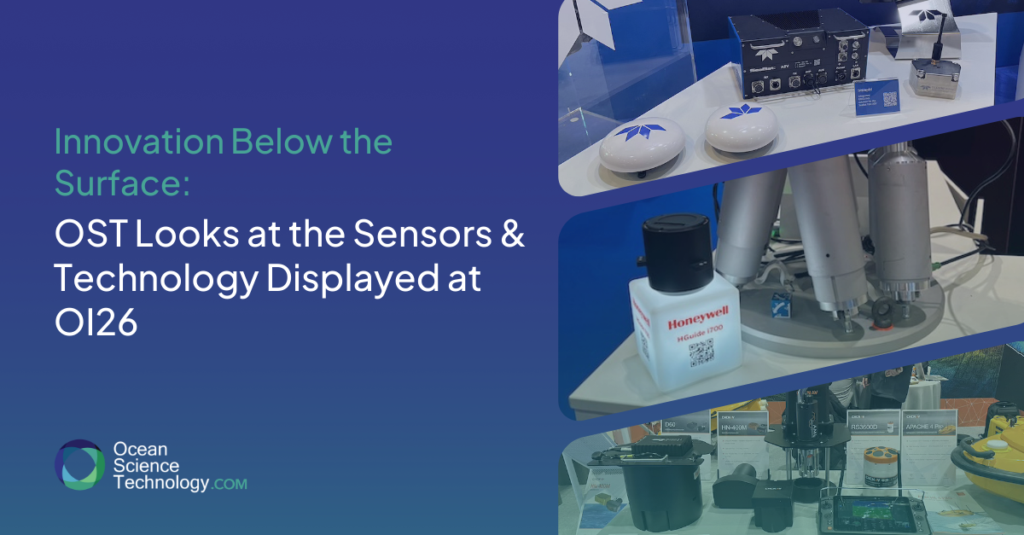
Advances in MEMS-based inertial navigation, compact CTD systems, acoustic imaging, and subsea power solutions share a common objective: enabling longer, more autonomous deployments without compromising data quality. Rather than existing in isolation, these technologies are increasingly being developed as part of a wider operational ecosystem, each piece designed with a clearer sense of how it connects to the next.
Across the month, the most-read stories suggest a shift in emphasis rather than direction. The technologies themselves are largely known quantities; but their integration, packaging, and field-readiness are advancing at a pace that is changing what’s operationally possible.
The month’s most-read stories pointed toward systems being built around specific roles, with fewer dependencies and a clearer understanding of where, and how, they will actually be used.