Unmanned Surface Vehicles (USVs)
Discover cutting-edge solutions from 4 leading global suppliersDEMCON unmanned systems and Lobster Robotics have established a strategic partnership to develop integrated autonomous solutions for the protection of critical maritime infrastructure in the North Sea and Baltic Sea.
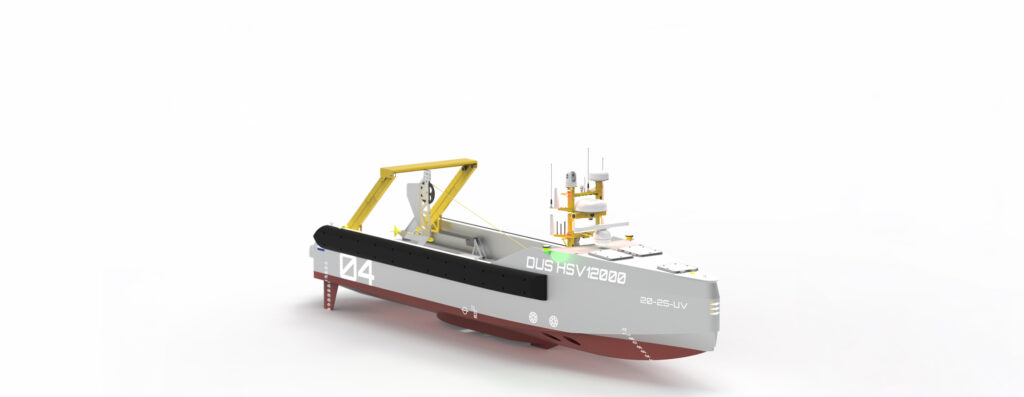
The collaboration addresses the increasing necessity for persistent monitoring of subsea power cables, data connections, and pipelines. By combining Unmanned Surface Vessels (USVs) with Autonomous Underwater Vehicles (AUVs), the two companies aim to provide long-endurance situational awareness that serves as an effective complement to traditional naval and coastguard assets.
Under the agreement, Lobster Robotics provides expertise in AUV technology, while DEMCON unmanned systems focuses on USV development, system integration, and scalable production. These autonomous vessels are designed to function as a coordinated fleet, sharing data and tasks to maintain a comprehensive, real-time overview of seabed conditions and underwater assets. This integrated approach allows autonomous systems to handle routine inspection tasks, enabling primary maritime security forces to focus on high-priority mission intervention.
Operating out of the Port of The Hague in the Netherlands, the partners have direct access to North Sea offshore test areas and maritime innovation ecosystems. Both entities are currently active in civil and defense-related technology and are aligning their development with defense-oriented innovation programs to meet real-world operational requirements.
Stephan Rutten, CEO of Lobster Robotics, commented, “Our goal is to deliver autonomous systems that are operationally relevant and scalable. By combining surface and underwater autonomy, we can significantly enhance long‑term situational awareness of critical underwater assets.”
Fedor Ester, Managing Director of DEMCON unmanned systems, added, “Autonomous surface vessels and underwater drones are becoming an essential part of protecting critical maritime infrastructure. This collaboration allows us to further develop integrated solutions that can operate reliably in demanding offshore conditions.”
The companies expect to begin providing joint services for the inspection and protection of critical underwater infrastructure starting in 2027.