
The Global Sourcing Hub for Marine, Subsea & Offshore Technology
Discover cutting-edge solutions from leading global suppliers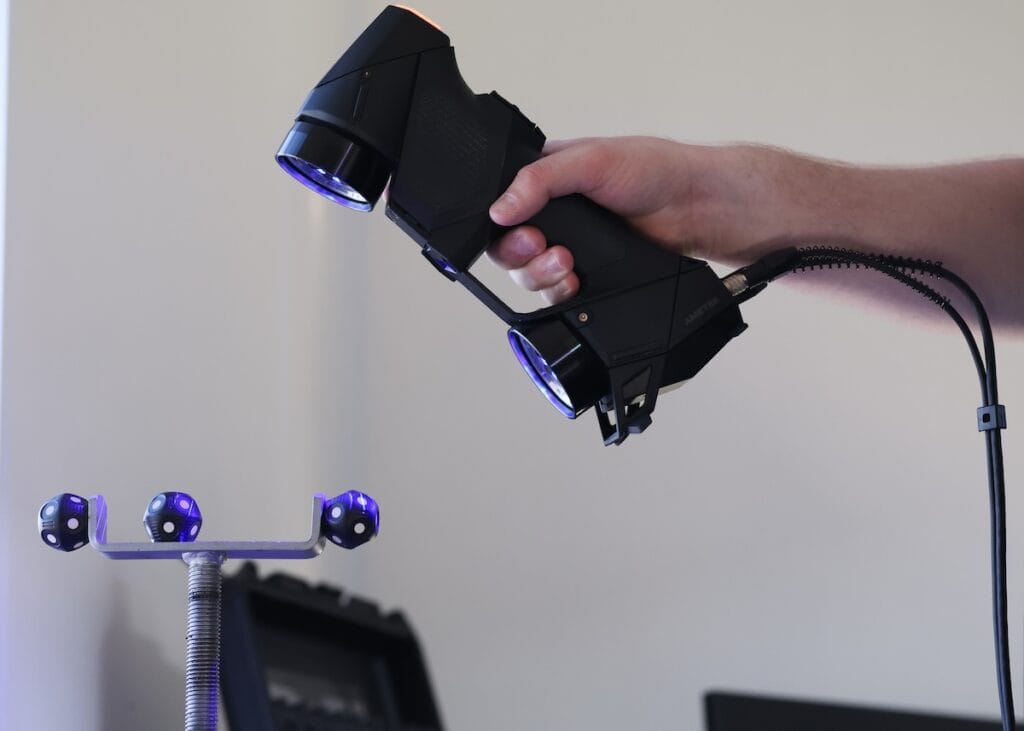
The Royal Navy’s submarine fleet will receive rapid maintenance support from QinetiQ through a newly established onsite additive manufacturing facility at HM Naval Base Clyde.
Delivered through two contracts with the Submarine Delivery Group’s Additive Manufacturing team, the initiative deploys the Additive Manufacturing All In One solution and its Market Access Cell. This sovereign, point-of-need capability allows submarine components to be fabricated to order directly at the dockside by QinetiQ engineers and Royal Navy submariners, ensuring parts are delivered to the boats at pace.
While standard parts are produced onsite, more complex components will be reverse engineered by QinetiQ. These technical parts will then be manufactured through an accredited network of UK-based additive and advanced manufacturing small and medium-sized enterprises, drawing on specialized expertise from highly demanding engineering sectors such as Formula 1.
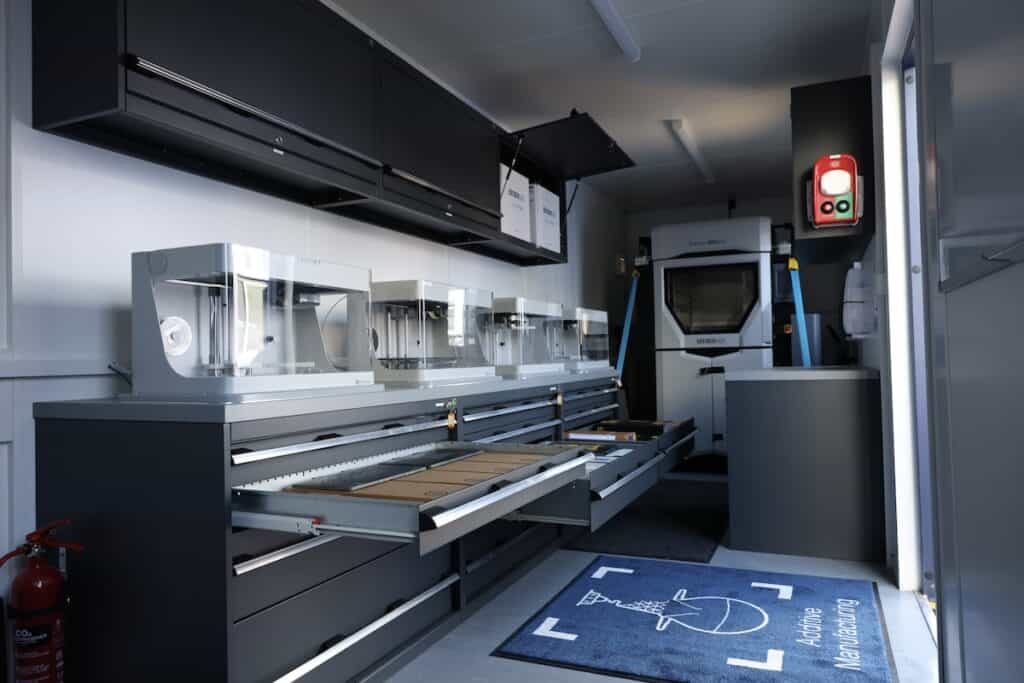
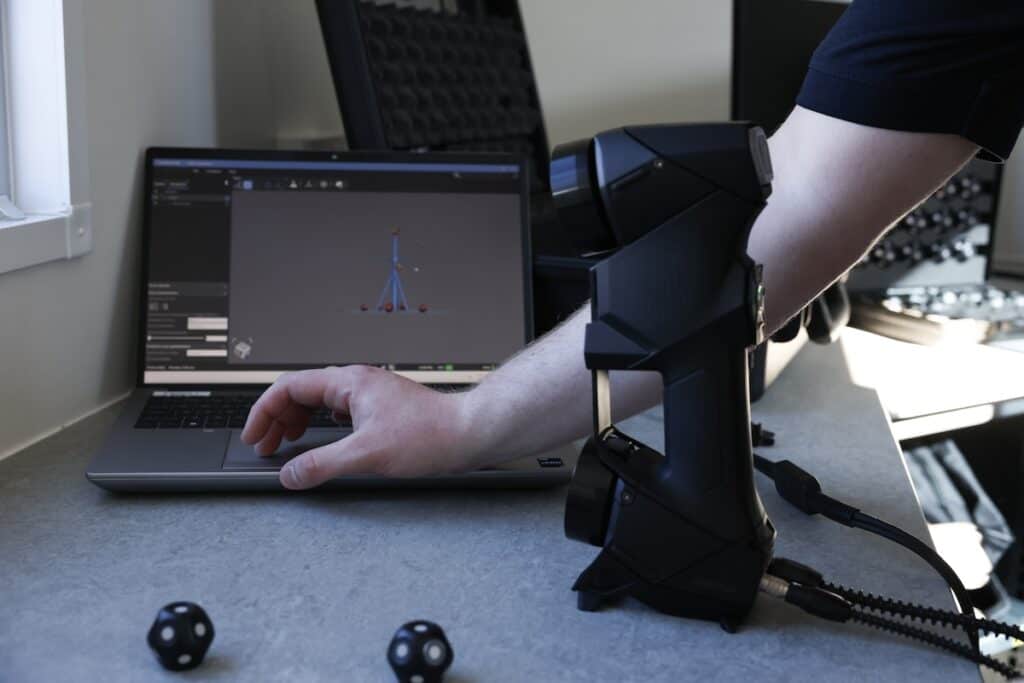
QinetiQ will operate the specialized containers in Faslane with direct support from Royal Navy submariners. The operational viability of this approach was demonstrated in March this year during a routine maintenance period for HMS Anson in Perth, Australia. QinetiQ rapidly designed the required critical components and delivered replacements in just four weeks, significantly undercutting traditional supply chain lead times.
Will Blamey, Chief Executive, UK Defence, QinetiQ, said, “Our proven expertise in additive manufacturing combined with the latest technology being installed at HM Naval Base Clyde will see us print, scan and reverse engineer submarine parts on demand, at pace and at dockside, helping to get submarines back on operations more quickly.”
First Sea Lord, General Sir Gwyn Jenkins, who launched the Submarine Maintenance Recovery Plan in January, commented, “The arrival of these deployable workshops marks a step forward in delivering the Submarine Maintenance Recovery Plan. This new technology has the potential to change how we maintain our submarines – cutting time alongside and increasing availability. It represents the real, tangible, progress the Royal Navy is making to strengthen the underwater fleet.”