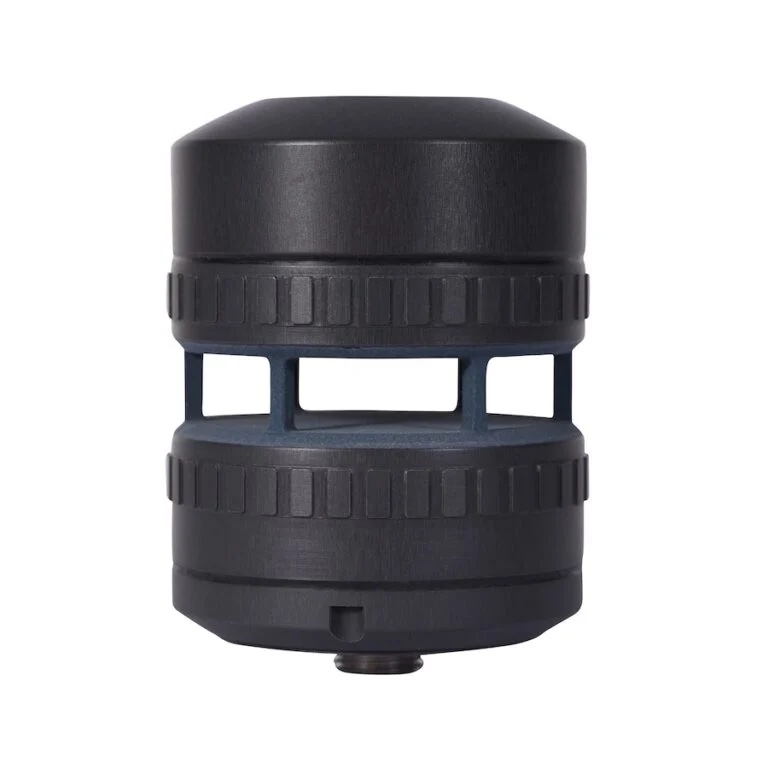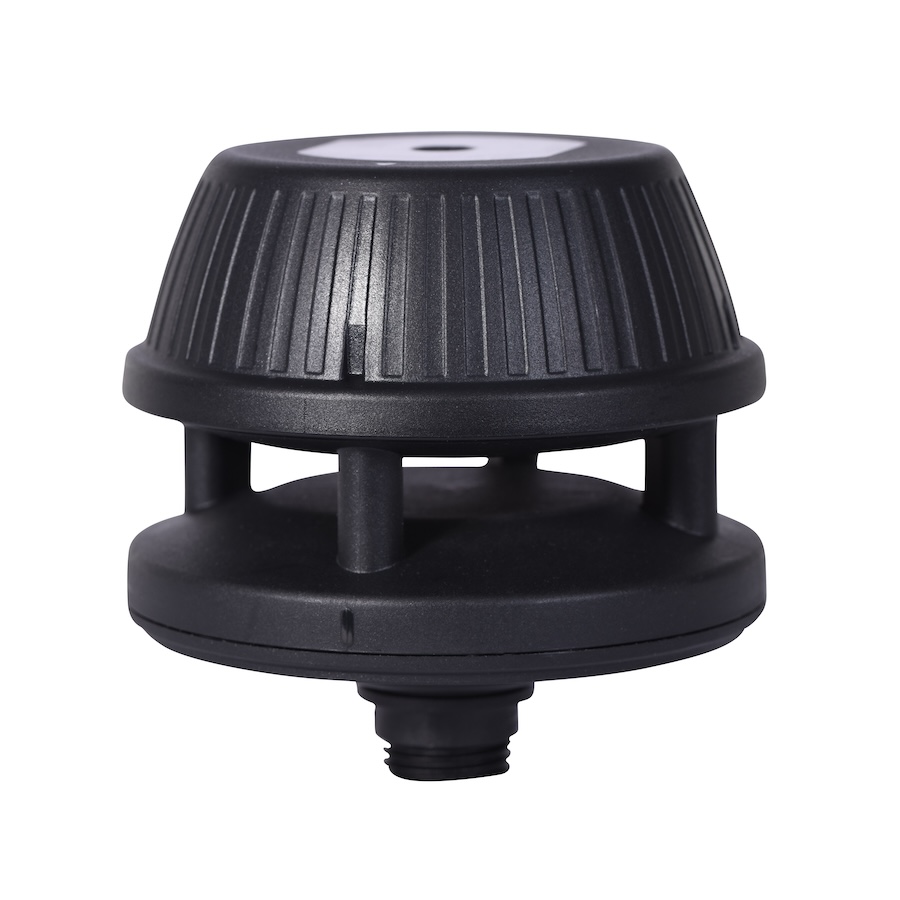



This case study by FT Technologies discusses the performance of its Acu-Res® solid-state wind sensors compared to traditional mechanical counterparts during real-world IMOCA yacht racing conditions. Read more >>
Reliable real-time wind data is essential for performance, strategy, and safety in competitive yacht racing. The introduction of hydro-foiling in the IMOCA class has increased yacht speeds up to 40 knots, subjecting them to extreme slamming forces.
Under such conditions, mechanical wind sensors are failing, driving the need for more durable alternatives. Other ultrasonic wind sensors (ToF) rely on precise pulse timing so are less reliable in extreme environments.
FT Technologies Acu-Res® sensors use acoustic resonance, amplifying sound waves with a resonant chamber. This measurement approach eliminates the issues of timing calculations, improving accuracy, robustness, and resistance to environmental interference.
Real World Application
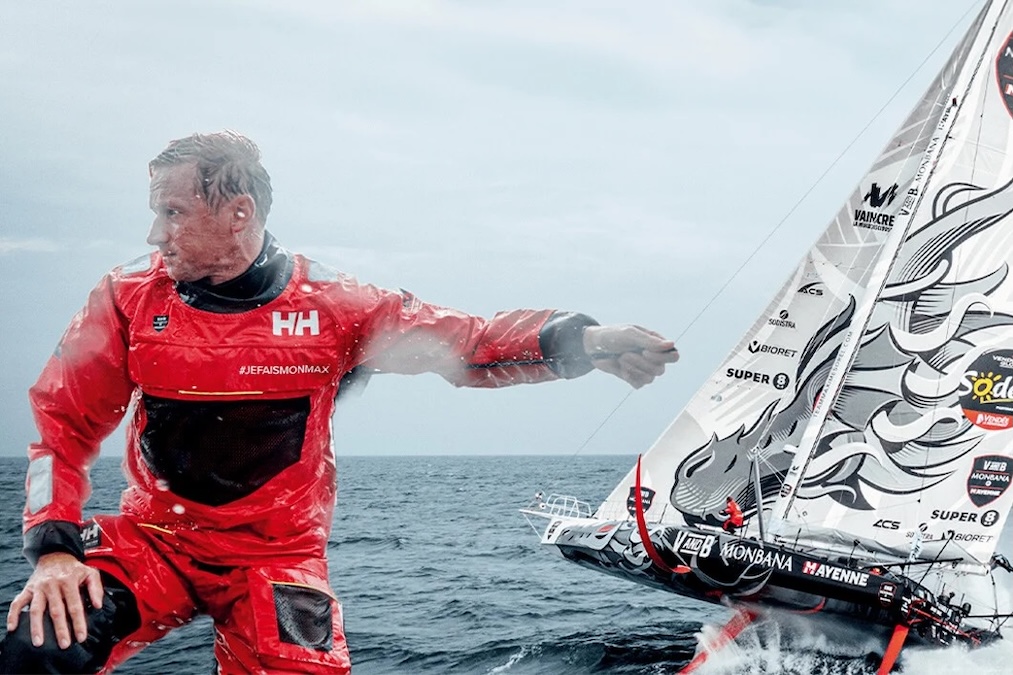
The VandB team, led by skipper Maxime Sorel, validated a FT Acu-Res® sensor and a mechanical wind sensor over 63 hours of continuous yacht racing. The sensors were tested across varying conditions, such as strong winds, stormy weather, and light breezes.
The FT Acu-Res® sensor was mounted horizontally on the masthead, while a mechanical sensor was mounted vertically. Both provided consistent measurements of wind speed and direction, but differences emerged in durability and resilience.
Key Findings
For accuracy and responsiveness, the FT sensor matched that of a traditional mechanical sensor. Mounted at the masthead of the IMOCA yacht, it delivered reliable measurements of wind speed and direction throughout testing.
In terms of durability and maintenance, the solid-state FT sensor offered greater reliability in high-impact racing conditions. With no moving parts, it showed no wear, while mechanical sensors remained at risk of breakage under prolonged high-impact conditions.
When it came to extreme conditions performance, the FT sensor was unaffected by salt, water spray, and boat vibrations. Its built-in EMC/EMI protection ensured continuous, reliable operation even during storms and lightning exposure.
For compatibility and usability, FT wind sensors integrated seamlessly with existing onboard sailing systems, enabling the system to switch between mechanical and ultrasonic devices. This real-time data output supports autopilot control, essential in single-manned racing classes.
Conclusion
Following this extensive testing, Maxime Sorel’s team selected FT Acu-Res® wind sensors exclusively for the Vendée Globe 2024/2025. Offering data accuracy, responsiveness, durability, and proven performance in extreme sailing conditions, these sensors present a clear advantage for professional racing teams over traditional mechanical alternatives.