

The Global Sourcing Hub for Marine, Subsea & Offshore Technology
Discover cutting-edge solutions from leading global suppliers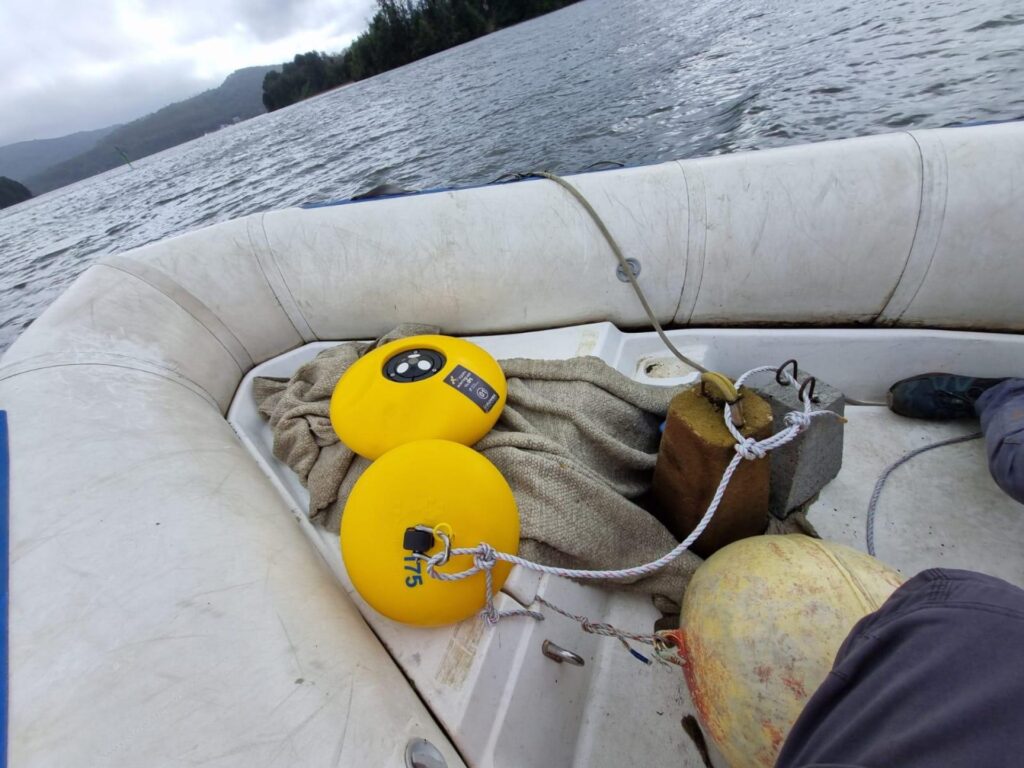
Researchers have successfully captured rare in-situ measurements of river currents during a tsunami event using a Nortek Eco ADCP in Valdivia, Chile.
The initiative was formed through a collaboration between San Diego State University, the Chilean aquaculture firm Innovex, and the Valdivia Yacht Club. The field deployment followed a significant seismic event on July 29, 2025, when a strong earthquake struck the Kamchatka Peninsula in eastern Russia, triggering tsunami warnings across the Pacific Basin.
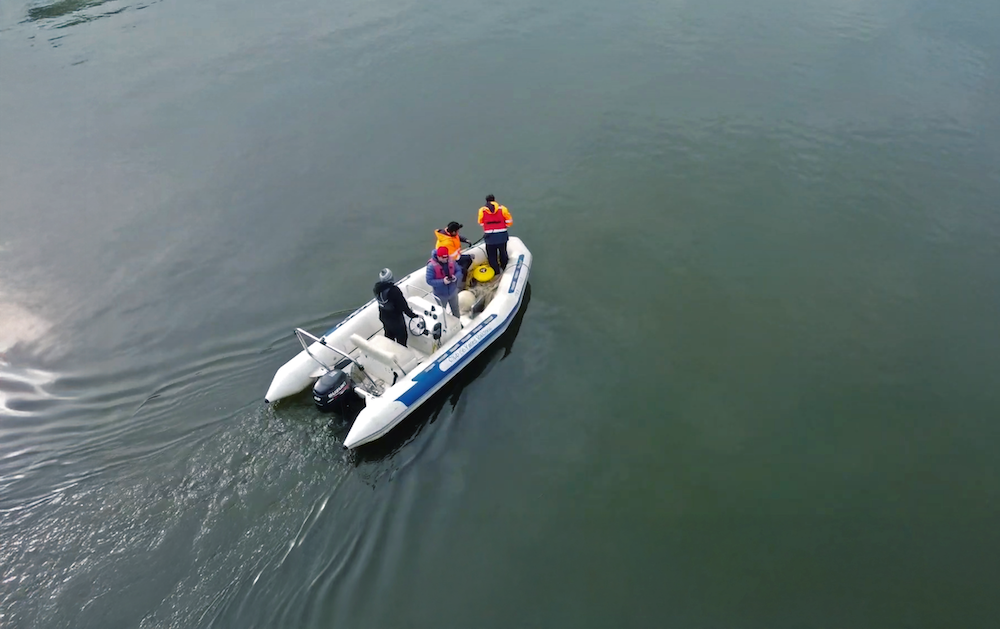
Upon receiving the alerts, Dr. Ignacio Sepúlveda of San Diego State University and engineers from Innovex coordinated an urgent boat deployment to attempt real-time current measurements before the wave’s arrival. The team selected the Nortek Eco ADCP for the mission due to its straightforward configuration and installation requirements, which were essential under strict time constraints.
“We only used a smartphone to configure the ADCP and the release mechanism, and it took us less than 45 minutes to have the system ready for deployment. I found the Eco to be a fantastic and very well-designed instrument. Its simplicity made it possible to deploy it under conditions that required a very fast setup,” said Nicolás Donoso, Engineer at Innovex.
Instrumentation setup and data collection
The instrument was positioned at a depth of 9 meters in the Valdivia River at approximately 2 p.m. local time, roughly two hours before the expected tsunami arrival. To ensure stability against extreme flow conditions, the team attached 60 kilograms of ballast to the system. The device was programmed to log measurements at two-minute intervals, and the team utilized numerical simulations to identify a location where flow variations could be captured without exposing the equipment to destructive forces.
Data retrieval took place four days later, providing a dataset that revealed fluctuations in water level and flow velocity linked to the passing wave. Analysis suggested the tsunami took approximately 20 minutes to travel upstream to the instrument’s location, with altered river dynamics persisting for up to three days.
“For a long time, the tsunami science community has known that coastal responses of tsunamis are highly influenced by local conditions, like tide and rivers. These two coastal processes, present every day, can severely condition the tsunami inundation and damage,” said Ignacio Sepúlveda, Assistant Professor at San Diego State University.
Advancing understanding of tsunami-river-tide interactions
Direct field measurements of these coupled processes are uncommon because they require specific environmental circumstances and the ability to deploy equipment at short notice. This effort represents one of the few documented cases of in-situ current monitoring in a river during a tsunami event.
“This measurement will be critical to calibrate new models that can simulate the coupled interaction of tsunami, tides and rivers. Ultimately, the measurement and scientific effort will help the tsunami community to improve our tsunami hazard assessments in estuarine areas worldwide,” Sepúlveda added.
The successful rapid response has led to the installation of two permanent monitoring stations in the Valdivia River Estuary to enhance long-term data collection.
“Today, we are better prepared to rapidly deploy instruments and collect high-quality in-situ data during extreme events such as tsunamis and other coastal hazards,” noted Donoso. “What began as an urgent, improvised response has evolved into a long-term monitoring and scientific collaboration that improves our readiness, resilience, and contribution to understanding complex coastal systems.”