

The Global Sourcing Hub for Marine, Subsea & Offshore Technology
Discover cutting-edge solutions from leading global suppliers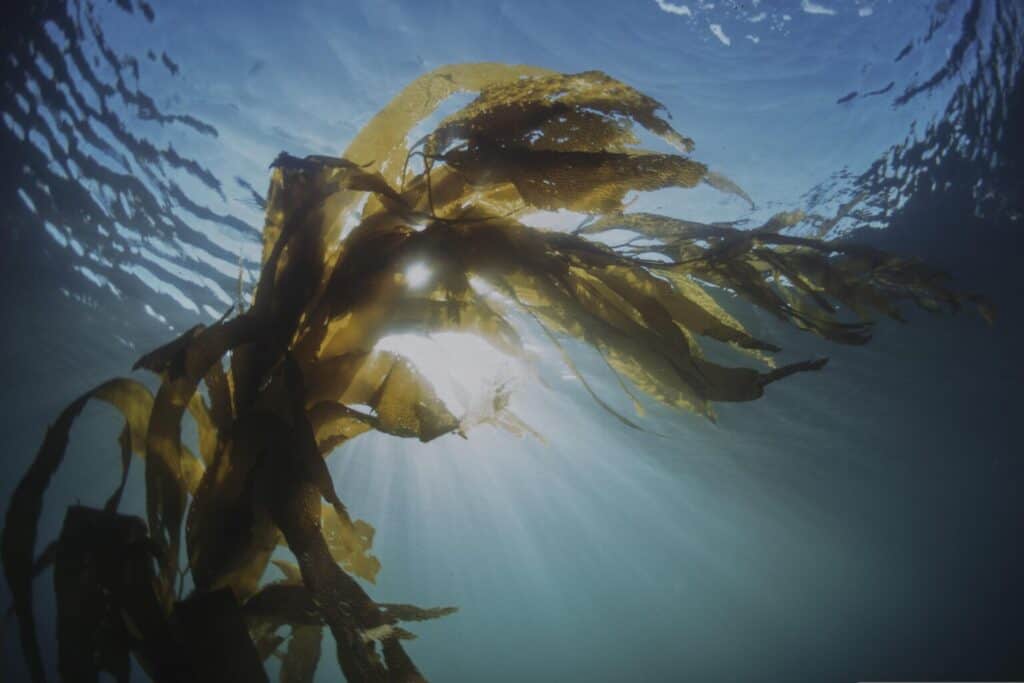
The BIG-ALGAE project, which includes research organisation INESC TEC as a key consortium partner, has been officially recognised with the STEP Seal, an excellence mark awarded by the European Commission to initiatives deemed strategic for European technological sovereignty and competitiveness.
The project addresses a critical bottleneck in the European bioeconomy. While macroalgae have diverse applications ranging from food and cosmetics to textiles and sustainable packaging, Europe currently relies heavily on wild harvesting. This dependency limits the availability, consistency, and quality of the biomass required for industrial applications.
Luís Coelho, a researcher at INESC TEC, said, “The main objective of BIG-ALGAE is to create the conditions for a more predictable, sustainable, and competitive European macroalgae production, strengthening Europe’s capacity to meet growing demand for quality biomass in sectors such as food, feed, cosmetics, textiles, packaging, and other bio-based materials. Controlled macroalgae cultivation could also reduce pressure on wild populations, improve resource utilisation, and unlock new value chains associated with the circular economy.”
To achieve this, the project is developing four distinct cultivation models applicable to five native European macroalgae species. These models include offshore production, recirculating land-based systems, urban systems designed for regions without direct coastal access, and integration with fish aquaculture through the Integrated Multi-Trophic Aquaculture (IMTA) concept. The IMTA model provides integrated aquaculture solutions with the potential for the bioremediation of water from fish farming.
INESC TEC, as a key partner in the consortium, focuses heavily on the digital and monitoring components of these production systems through cooperation between its Applied Photonics and Industrial Engineering and Management domains.
Luís Coelho said, “Our contribution focuses on developing sensing solutions, real-time monitoring, and digital decision-support tools. These solutions will make it possible to optimise parameters such as water quality, nutrient availability, biomass growth, and the ideal harvesting moment.”
Beyond digital monitoring technologies, the initiative includes the development of new biodegradable substrates for algae attachment and advanced biorefinery processes to extract high-value-added compounds. Environmental assessments based on life cycle methodologies are also integrated into the project’s framework.
The outcomes of this research stand to benefit macroalgae producers, aquaculture operators, biomass processing companies, and various downstream industries.
“BIG-ALGAE is not limited to a scientific approach — it also seeks to prepare replicable solutions applicable to the European macroalgae market.” Luís Coelho recalls that, to this end, the consortium brings together “producers, companies, and end users, with plans to demonstrate the developed solutions at technology readiness levels close to industrial application.”
The STEP Seal designation, created under the Strategic Technologies for Europe Platform (STEP), distinguishes high-quality projects that drive technological innovation, strengthen internal market competitiveness, and reduce the strategic dependencies of the European Union.
Luís Coelho added, “This recognition represents a very important validation of the work carried out by the consortium. It demonstrates that the solutions proposed by BIG-ALGAE address strategic challenges for Europe and reinforces the project’s international visibility, whilst also facilitating future funding and investment opportunities.”