

The Global Sourcing Hub for Marine, Subsea & Offshore Technology
Discover cutting-edge solutions from leading global suppliers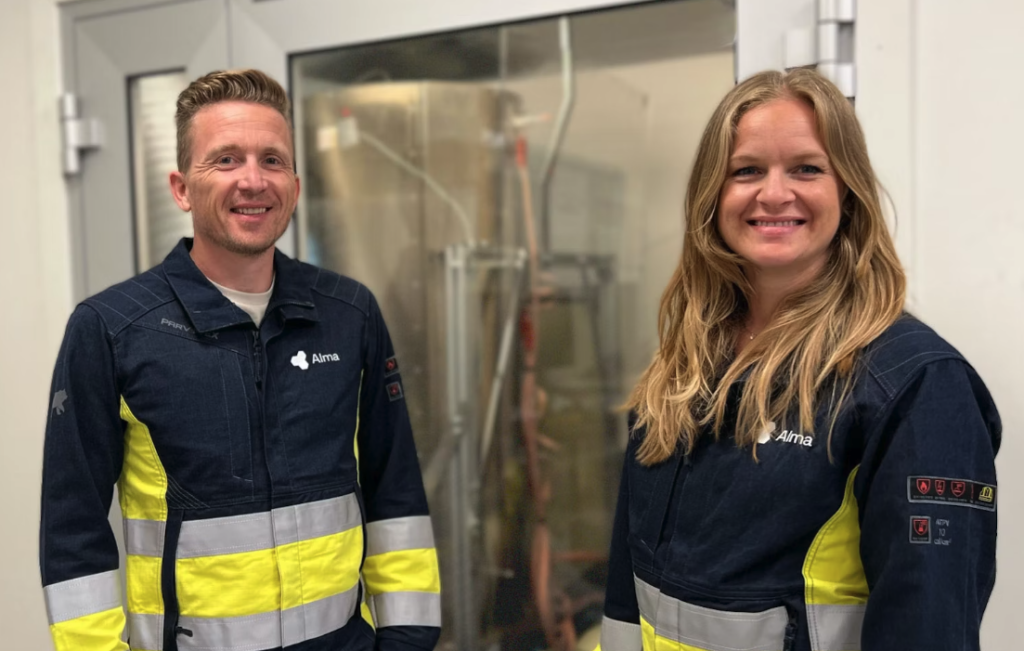
Alma Clean Power has successfully tested what is believed to be the world’s first 6 kW direct ammonia fuel cell system, achieving a significant milestone towards economically viable, zero-emission, deep-sea shipping.
Green ammonia, produced by electrolysis powered by renewables, is a carbon-free fuel with great potential to decarbonize the maritime industries.
Alma Clean Power is on the mission to develop modularized Solid Oxide Fuel Cell (SOFC) systems for applications in the ocean space, and the 6-kW unit is the first building block of a complete 100-kW SOFC module. The test validates the company’s design of a direct ammonia fuel cell (DAFC) system, delivering an impressive electrical efficiency of 61-67%.
“I am very proud of the Alma team and their remarkable achievements in just over a year of system development. To our knowledge, this is the highest power output ever demonstrated with direct ammonia solid oxide fuel cells”, says Bernt Skeie, CEO in Alma Clean Power
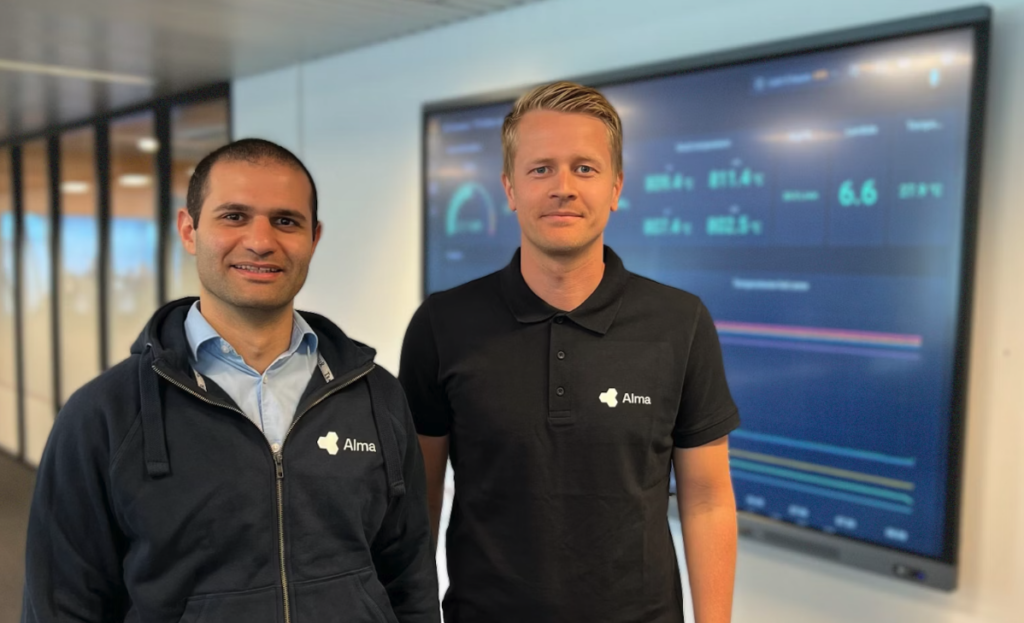
Alma’s SOFC system is currently operating seamlessly 24/7 and is monitored remotely with a sophisticated safety and control system. The SOFC modules are combustion-free with no rotating parts. They are designed to operate autonomously, without any maintenance, for long intervals.
Alma’s unique technology enables direct feeding of ammonia into the fuel cell system, bypassing the need for any energy intensive pre-treatment that converts the fuel into hydrogen prior to electricity production. With significantly higher efficiency levels compared to traditional combustion engines, this technology has the potential to make ammonia operated maritime energy systems economically viable for ship owners.
“It’s rewarding to see the system operate with stable operation and consistent electricity generation. To gain knowledge and fine-tune the setup, testing will continue throughout the summer. After that, we will proceed with the assembly and testing of a complete 100-kW module which will serve as the foundation for larger ship installations”, says Rune Tveit, Project Manager.