The Global Sourcing Hub for Marine, Subsea & Offshore Technology
Discover cutting-edge solutions from leading global suppliers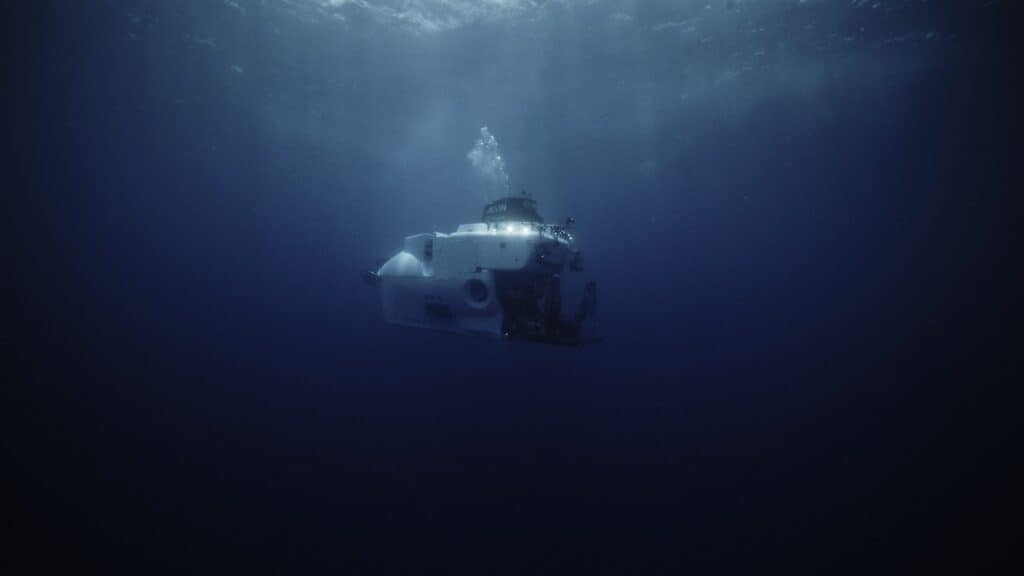
The Woods Hole Oceanographic Institution has announced that the human-occupied submersible Alvin is officially certified to return to deep-sea service following the successful completion of a routine overhaul and testing program.
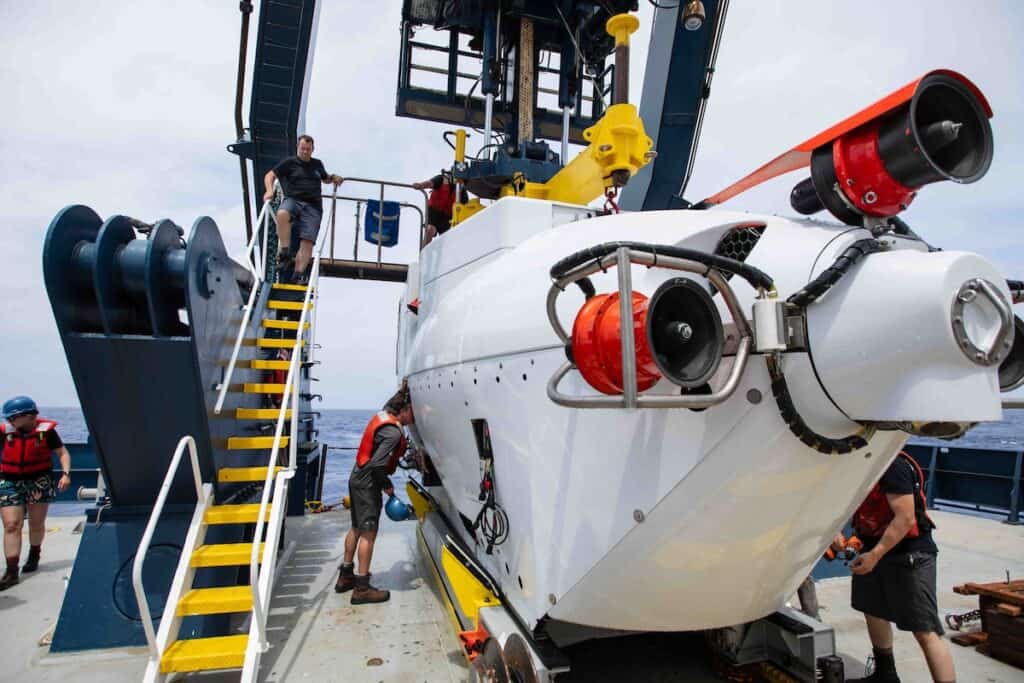
Granted by the U.S. Navy’s Director, Submarine Programs, the formal certification confirms that the vehicle meets rigorous safety and operational standards, authorizing it to dive to depths of 6,500 meters. The verification follows an extensive overhaul process conducted roughly every five years, during which the vehicle is fully disassembled, inspected, upgraded, and reassembled. Lifecycle management and technical oversight for the platform are guided by the Deep Submergence Systems Program, P9290, ensuring operational readiness for critical undersea research missions.
The final phase of the recertification involved a seven-hour validation dive completed on June 20, 2026, by a three-person team including Alvin Team manager and lead pilot Bruce Strickrott, DSP general engineer Brandon Yasin, and WHOI senior engineer Kaitlyn Tradd. Official clearance was granted on June 24, 2026, after the vehicle successfully achieved a trial dive to 6,374 meters, proving its structural integrity in extreme deep-sea environments.
“Alvin permits one of the most fundamental aspects of scientific research and exploration: direct human observation of the places ocean scientists study in order to expand our knowledge of our planet,” said NDSF chief scientist Anna Michel. “Doing so with the utmost safety and reliability is the first and most important priority in our mission to support exploration of the deep ocean. The Alvin Team’s record over the past 63 years is a shining example of what can be accomplished through meticulous attention to detail.”
Maintaining safety standards across civilian and military naval assets remains a core priority for overseeing bodies. “Ensuring the safety of our submarines, whether they be military or civilian, is of paramount importance,” said Rear Adm. Todd Weeks, Director, In-Service Submarines and Industrial Base for Director, Submarine Programs. “We want the occupants to have confidence in their platform so they can concentrate on their important science endeavors.”
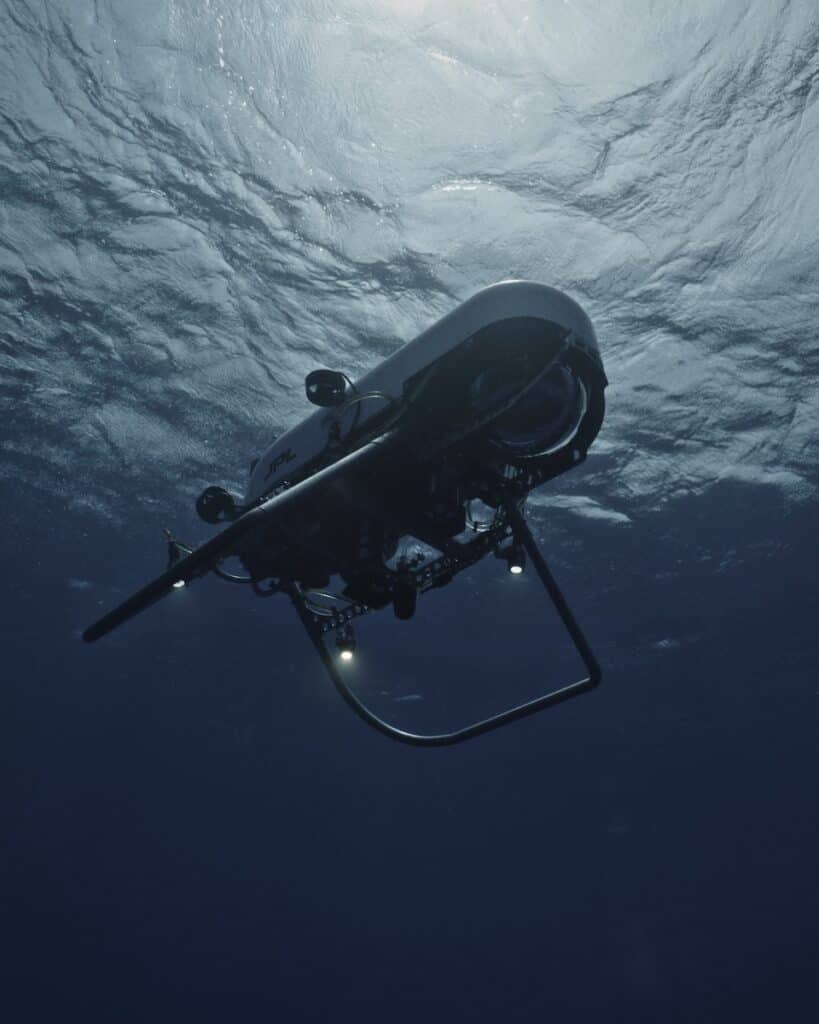
The testing expedition also served to validate Deep Venture, a small autonomous underwater vehicle designed to operate alongside Alvin. The autonomous system acts as a scout, gathering high-resolution imagery and environmental metrics prior to crewed descents. This data allows scientists to pinpoint high-value targets and helps pilots optimize operational paths, maximizing the efficiency of limited seafloor dive windows.
Owned by the U.S. Navy and operated by WHOI as a component of the National Deep Submergence Facility, Alvin has logged more than 5,300 historical dives, driving milestones such as the discovery of hydrothermal vents and the documentation of the Titanic wreck. The renewed certification grants scientists direct access to more than 99 percent of the global ocean floor.
Funding for the comprehensive overhaul and the vast majority of ongoing operations is provided federally. “NSF is proud to fund Alvin’s continued operation, covering the full cost of this overhaul and more than 90% of its science and operations annually,” said Brian Midson, Program Director for Ship and Submersible Support in NSF’s Office of Research Infrastructure. “Our partnership with WHOI and the U.S. Navy ensures this irreplaceable research platform keeps delivering discoveries about the deep ocean—knowledge that strengthens American science, security, and economic competitiveness.”
With all testing metrics satisfied and formal certification secured, the submersible is prepared to deploy for its next cycle of international scientific expeditions. “Certification is a signal to scientists and engineers that Alvin is ready for them,” said Strickrott. “We look forward to supporting the community’s vision for exploration in the deep ocean, wherever it may lead.”