The Global Sourcing Hub for Marine, Subsea & Offshore Technology
Discover cutting-edge solutions from leading global suppliers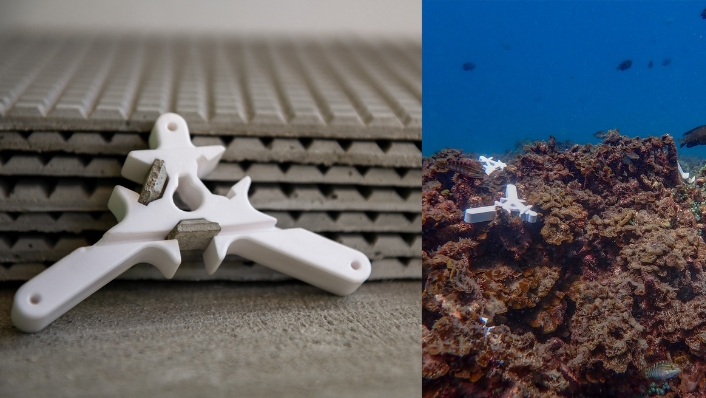
The Australian Institute of Marine Science (AIMS) joined forces with US-based SECORE International earlier this year to initiate the three-year Global Tech Transfer Project for large-scale coral reef restoration.
This international collaboration combines advanced coral seeding technologies developed in Australia with SECORE’s extensive experience in Caribbean reef environments. The initiative responds to significant coral losses in the Caribbean during 2023 and 2024, where severe marine heatwaves caused widespread bleaching and mortality. Surviving coral populations remain threatened by increasing rates of disease.
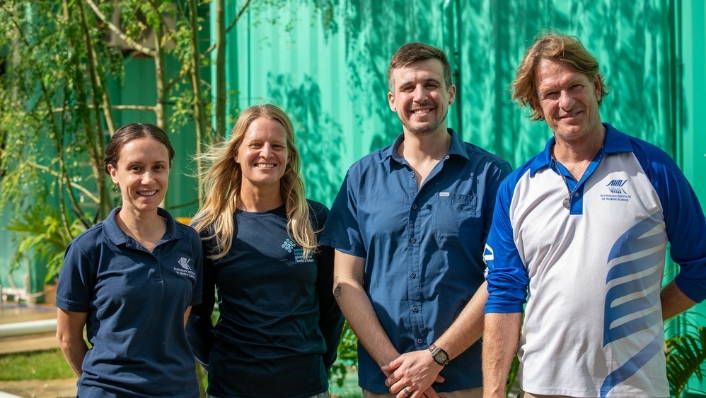
“The goal is to create an international toolbox of coral seeding methods to help reefs worldwide,” said Dr Randall. “Over the last five years, AIMS has led the design of scalable and cost-effective methods for coral seeding, achieved through research programs such as the Reef Restoration and Adaptation Program. Given the importance of coral reefs to billions of people globally, we are very interested in ensuring this technology works across regions and with many species. This project enables us to translate and test the technology in new reef environments and combine it with methods developed by SECORE to broaden our collective coral restoration toolbox.”
Field operations are currently underway in the Dominican Republic, where AIMS and SECORE are partnering with the marine conservation organisation Fundación Dominicana de Estudios Marinos, Inc (FUNDEMAR). The teams are integrating components of the ReefSeed system into a new aquaculture facility in Bayahibe. ReefSeed is a containerised aquaculture system designed to produce millions of coral larvae in remote regions, facilitating large-scale restoration efforts.
The coral seeding process involves harvesting coral spawn from sexual reproduction and delivering the resulting offspring, or seeds, to specific reef sites to accelerate recovery. These young corals may be settled on specialized devices in ocean enclosures or land-based aquaculture facilities before being delivered as small polyps to the chosen reef sites. This collaborative effort builds on previous knowledge sharing, as SECORE contributed to the initial development of coral seeding on the Great Barrier Reef, which AIMS has since enhanced for local conditions.
“We urgently need more global collaboration to tackle the coral reef crisis in the Caribbean and prepare other regions for worsening climate scenarios,” said Dr Petersen. This project represents a critical step in expanding the technical resources and restoration toolboxes available to coastal communities facing ecological decline.