
LS Electronics, a developer of communication technology, discusses how its Mimer SoftRadio platform supports the modernization of legacy communication systems for maritime and border surveillance as operational demands and threats evolve.

Maritime and border agencies are under growing pressure to upgrade outdated communication systems that are inadequate against expanding operational demands and threats. Traditional radio infrastructure, often fixed, limited in capability, or based on older protocols, struggles to support today’s need for mobility, scalability, and integration across diverse fleets and remote environments.
LS Electronics’ Mimer SoftRadio platform offers a practical, future-ready approach for transforming these legacy systems into flexible, IP-based networks without requiring full hardware replacement.
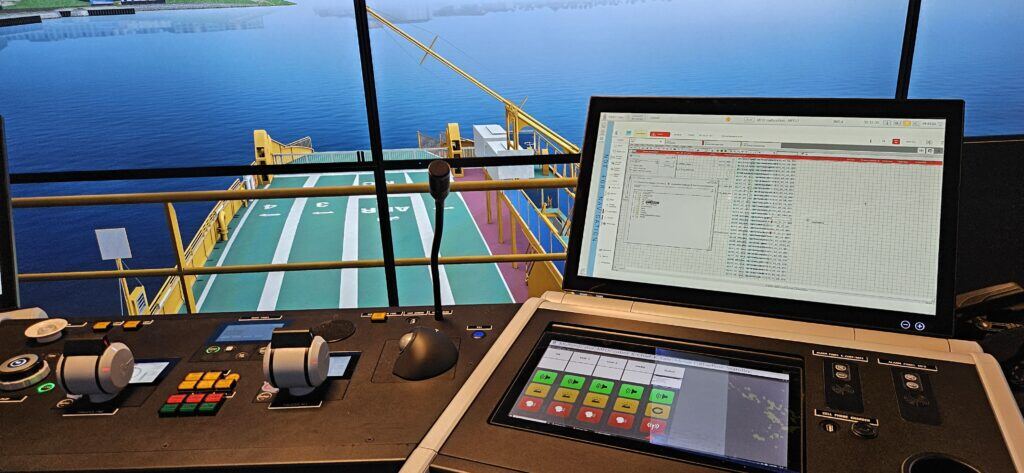
A central strength of SoftRadio is its ability to unify analog, digital, and IP radios within a single virtual operator interface. This interoperability removes communication silos for agencies operating mixed platforms such as patrol vessels and modern surveillance drones.
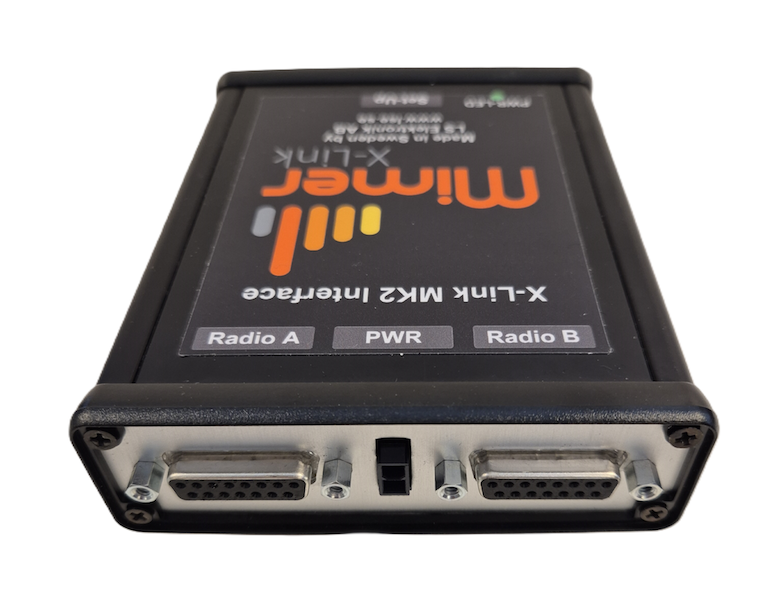
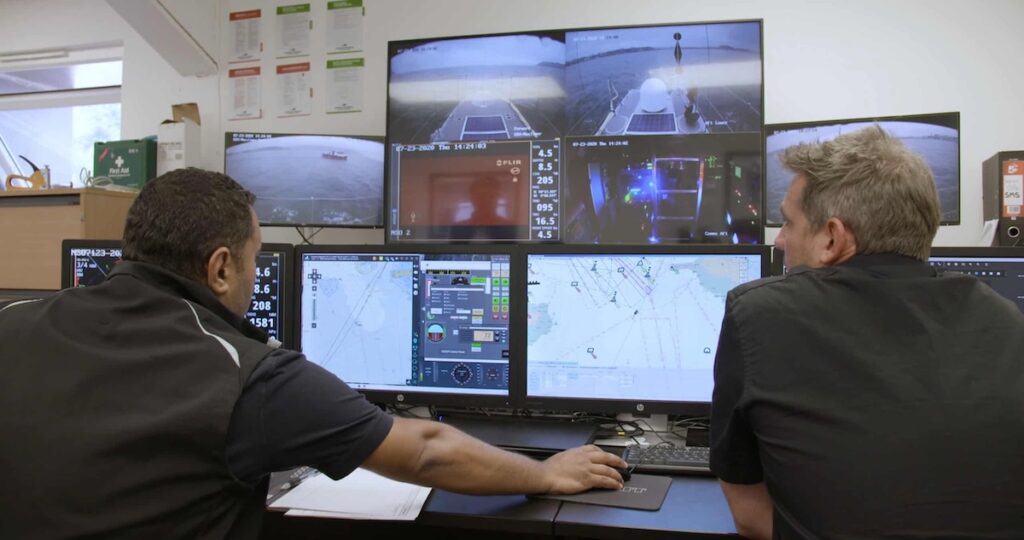
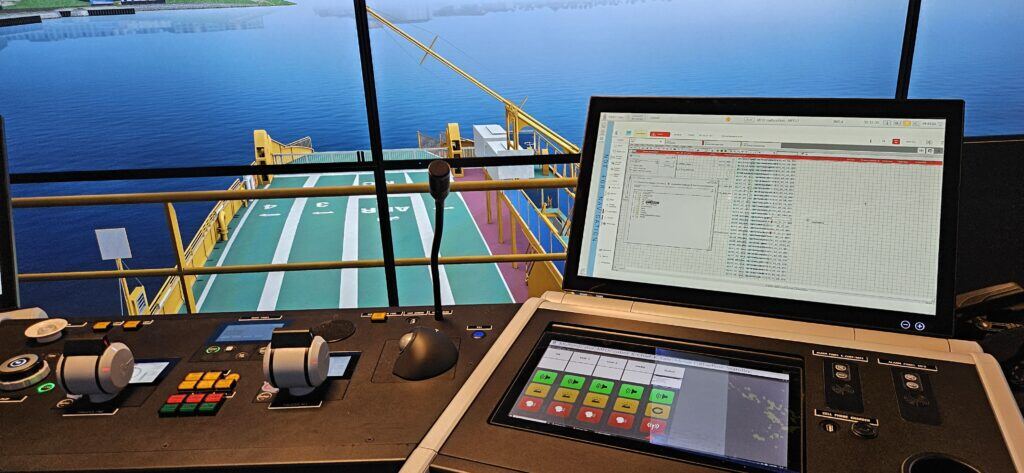
Capabilities tailored to maritime and border operations include bridge alert and distress integration, remote radio control over IP, support for Sailor 7222 and other new-generation radios, and MapView for asset and unit tracking. These tools enhance situational awareness and enable faster decision-making from centralized command and control centers.
SoftRadio delivers reliable, low-latency voice communication in a wide range of environments, such as coastal surveillance vessels, unmanned maritime systems and forward-operating border units.
The system functions effectively on minimal bandwidth and scales from small patrol teams to nationwide networks. When paired with Mimer VoiceLog, agencies gain comprehensive visibility and traceability of all communications, supporting audit requirements, incident reviews, and regulatory reporting.
Instead of committing to a complete system overhaul, agencies can use SoftRadio to extend the life of existing radios, bridge technology gaps, and modernize at a manageable pace. This approach provides a structured, step-by-step path for aligning communication systems with current and future operational needs.