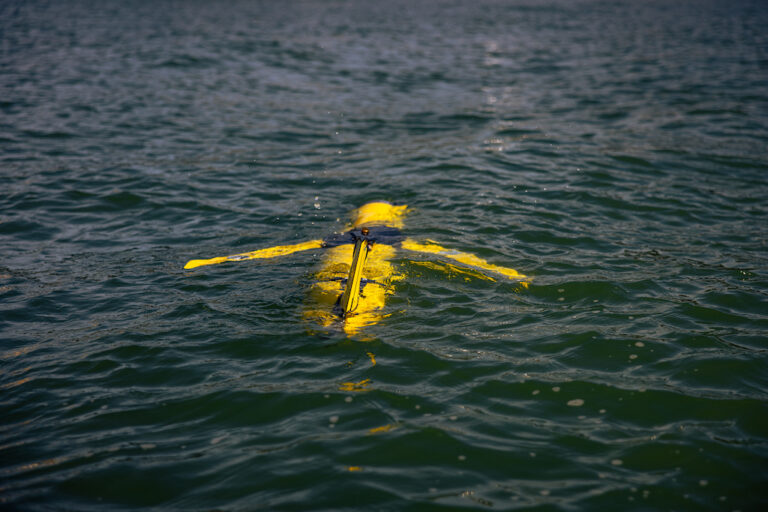
£2.8M Digital Twin of Glider to Optimise Ocean Forecasting
The pilot projects will show how Earth observation data and digital twinning can transform environmental science across areas like climate change, biodiversity and ecosystems, and more


SECTOR FOCUS
Stay up-to-date with the innovations driving marine observation. From remote sensors and autonomous vehicles to deep-sea biodiversity tracking and oceanographic data analysis, explore how modern engineering is being utilized to measure, model, and protect global aquatic environments.
Category archive
Page 10
The pilot projects will show how Earth observation data and digital twinning can transform environmental science across areas like climate change, biodiversity and ecosystems, and more
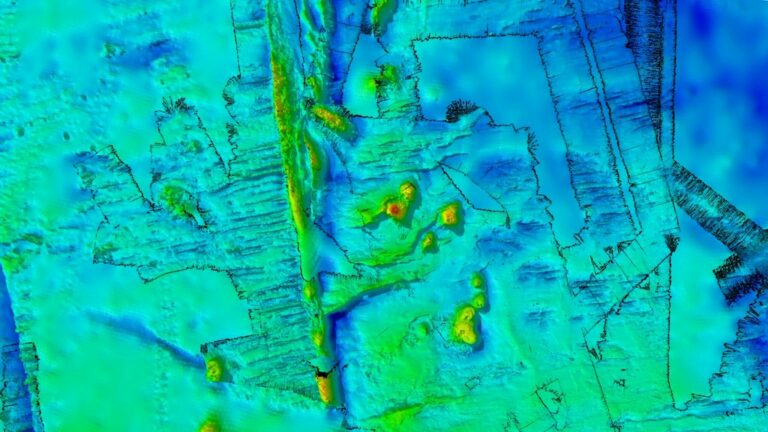
Researchers synthesized bathymetric data from 31 multibeam sonar mapping surveys to classify, delineate, and quantify features of a 6.4 million acre area of cold-water coral mounds
The 21km cable has three instrumented repeaters at 6km spacings, each housing a seismometer, an accelerometer, and an externally mounted absolute pressure gauge and a temperature sensor
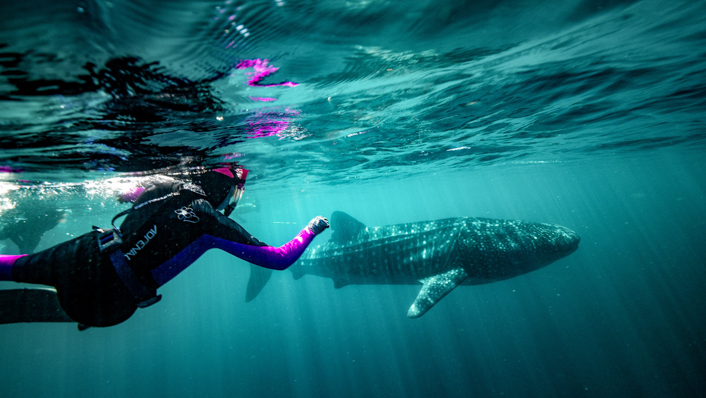
The authors collated 484 individual satellite tracks of various species of turtles, whales, and whale sharks across an area encompassing more than 2.2 million sq. km of north-western Australia
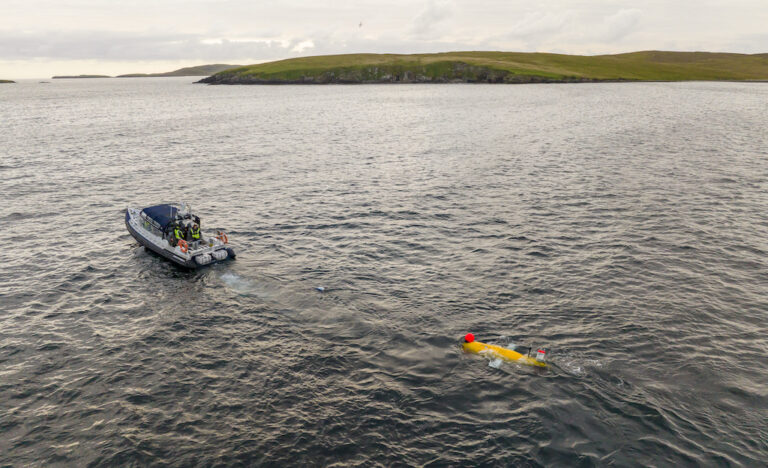
This survey will help determine the suitability of using AUVs for UK offshore marine monitoring, in this case using the University of Southampton’s ‘BioCam’ instrument
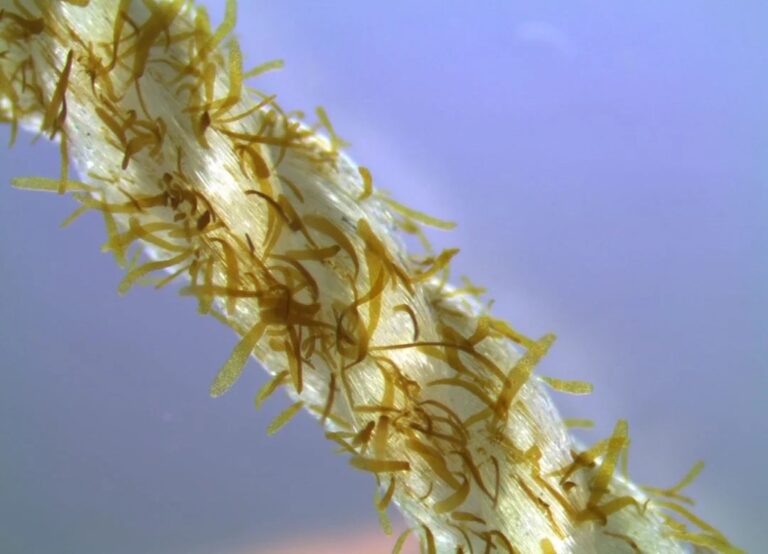
The goal of this project is to research how large-scale seaweed cultivation can remove already emitted CO₂ cost-effectively and sustainably from the atmosphere
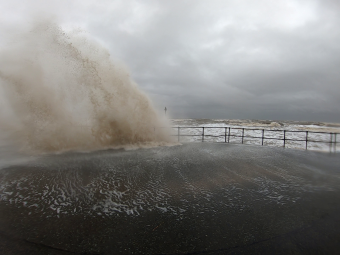
The FLOOD Centres aim to develop a pool of environmental experts invested in protecting against rising river, rainfall, and sea levels to make the UK more resilient to flooding
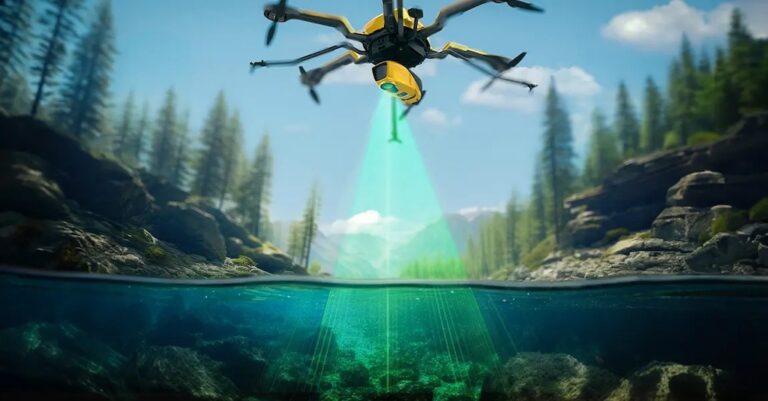
This solution will precisely map both waterbed and land, which is mandatory for monitoring, modeling, and mitigating coastal erosion, flood hazards and understanding biodiversity habitats
The company’s ROV gathered over 30 hours of seafloor footage, with particular focus on whether sessile organisms that were noted 12 months previously were still present
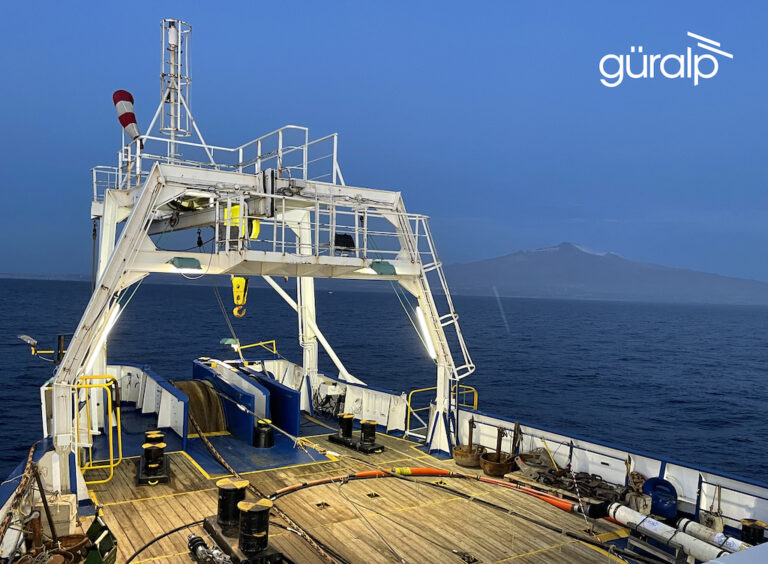
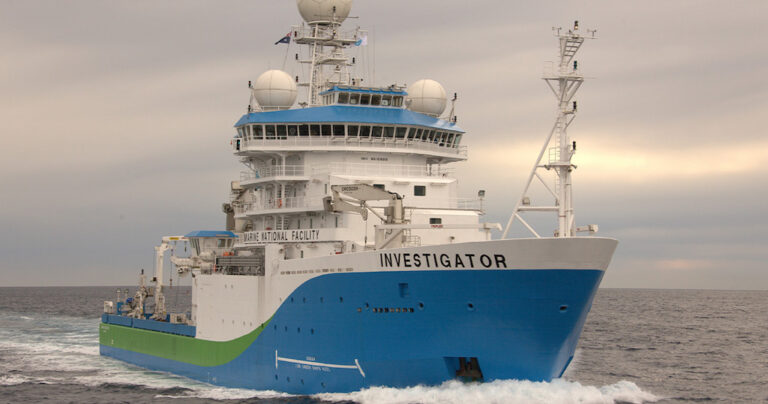
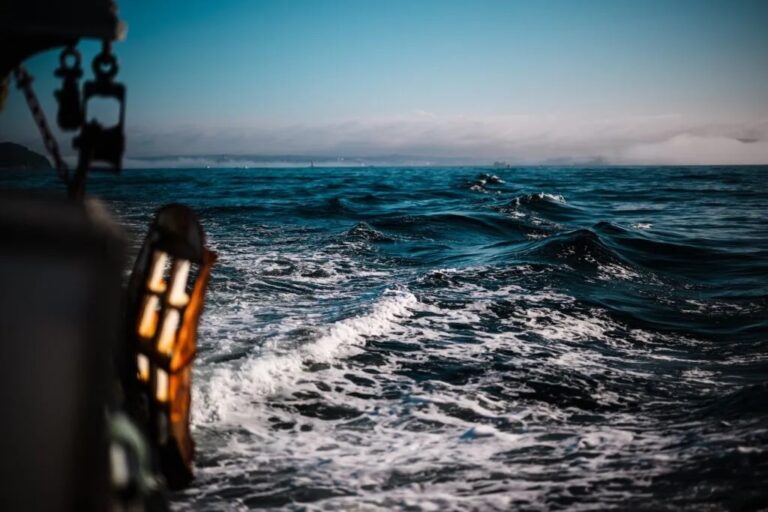
CSIRO’s research vessel’s 60-day, 9,260km voyage will involve deploying sensors and robots to search for climate clues between the deep ocean and the atmosphere 2km above sea level
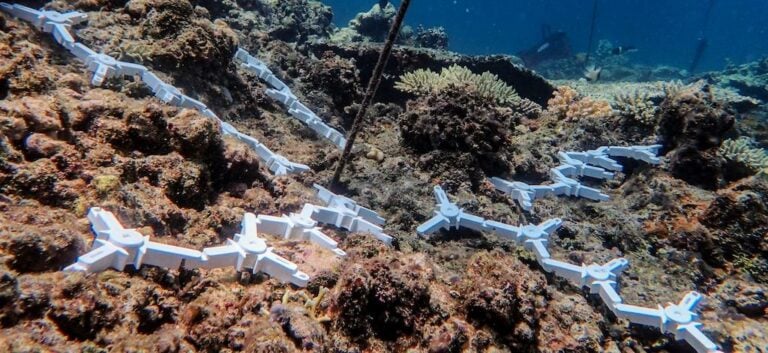
New technology like the AutoSpawner is helping boost the number of coral larvae produced for the trials, reducing reliance on human handling and labour and improving efficiencies
Ørsted has worked with universities on research, including using fish migration patterns to estimate future location of seabirds and mammals to avoid potential conflict with wind farms
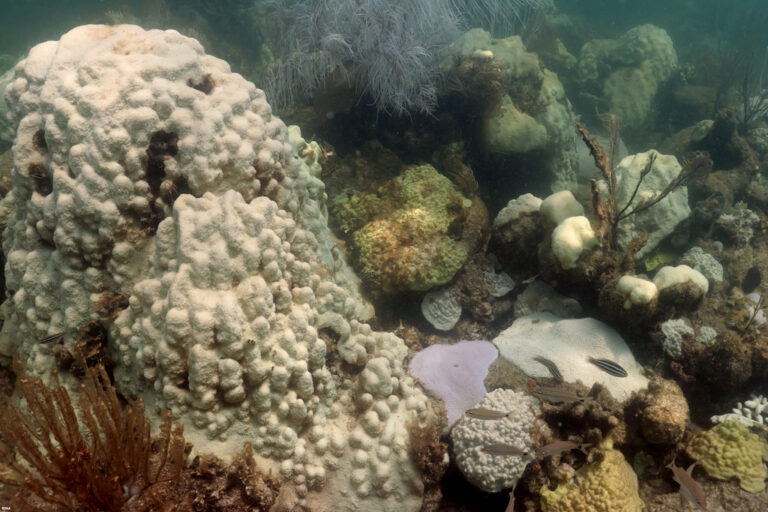
The NOAA- led report shows that this year, many Caribbean reefs experienced historically high heat stress that started much earlier and was sustained for much longer than normal
The area of the Southern Ocean surveyed in high-res, 3D detail stretches over 20,000 square km down through layers of swirling currents to the seafloor 4000m below
Researchers used satellite and nightlight data to investigate vessel activity from a global to a local scale across major fishing areas, exclusive economic zones, and marine protected areas
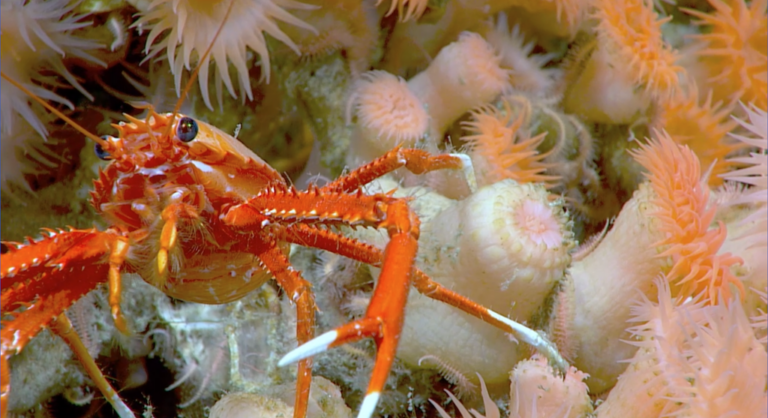
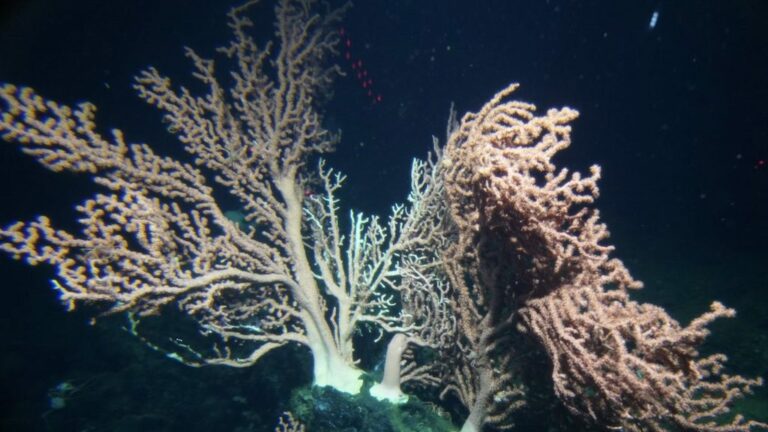
A new study reveals that deep-sea corals and sponges do produce the ROS superoxide, having a string of previously unknown effects on ocean life and chemistry in the deep sea
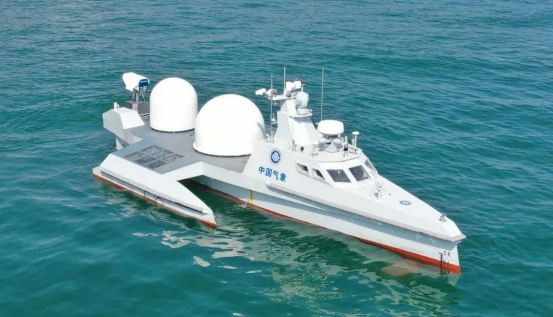
The ship sailed from Jiangsu Province into the Yellow Sea and successfully carried out a three-dimensional cloud and fog observation at sea
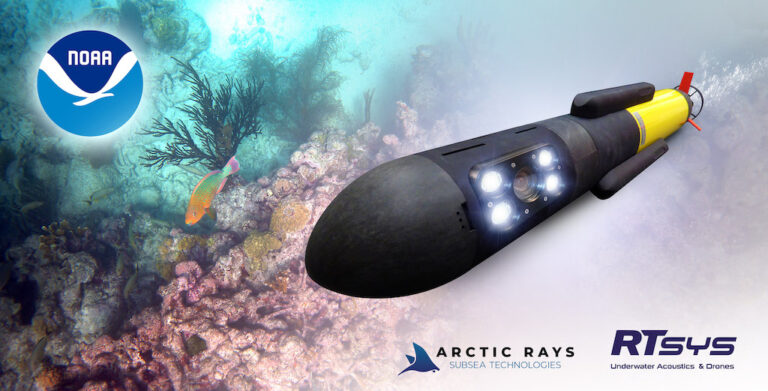
The NemoSens SwordFish will gather baseline seafloor data, tracking changes to these ecosystems over time, set to play a vital role in supporting a vibrant blue economy
The Advanced Mooring System uses a helical mooring attached to a series of mid-water floats to keep the chain lifted, protecting the seagrass and allowing it to grow undisturbed
 Searching Companies & Products